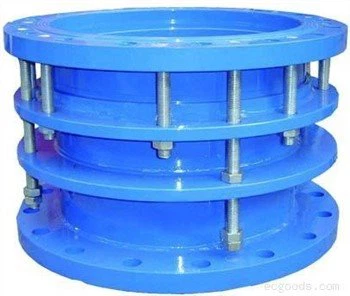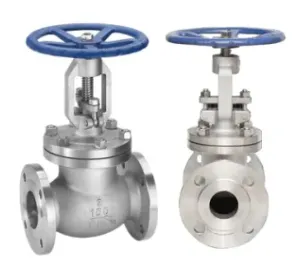
As a seasoned supplier of Flat Gate Valves, I've had numerous inquiries from customers regarding the noise level during the operation of these valves. Understanding the noise level of a flat gate valve is crucial, as it not only impacts the working environment but also reflects the valve's performance and quality. In this blog, I'll delve into the factors that influence the noise level of a flat gate valve, typical noise levels, and how to manage and reduce noise.
Factors Affecting the Noise Level of a Flat Gate Valve
Fluid Flow Characteristics
The flow rate and velocity of the fluid passing through the valve play a significant role in noise generation. When the fluid flows at high speeds, it can create turbulence and pressure fluctuations, which in turn produce noise. For example, in a pipeline with a high - pressure and high - flow - rate system, the fluid rushing through the narrow opening of the valve during operation can cause a significant amount of noise. The viscosity of the fluid also matters. Highly viscous fluids may cause more friction against the valve components, leading to increased noise.
Valve Design and Construction
The design of the flat gate valve itself can greatly affect the noise level. A well - designed valve with smooth internal surfaces and proper clearances can minimize noise. For instance, valves with a streamlined gate and body design can reduce turbulence and pressure drops, resulting in quieter operation. The quality of the materials used in the valve construction also impacts noise. Valves made from high - quality materials that can withstand wear and corrosion are less likely to develop rattling or vibrating noises over time.
System Conditions
The overall system in which the flat gate valve is installed can influence noise. If the pipeline is not properly supported or if there are resonance frequencies in the system, the valve's operation can be amplified, leading to louder noise. Additionally, the presence of other components in the system, such as pumps or compressors, can interact with the valve and contribute to the overall noise level.
Typical Noise Levels of Flat Gate Valves
The noise level of a flat gate valve can vary widely depending on the factors mentioned above. In general, under normal operating conditions with moderate flow rates and pressures, the noise level of a well - designed flat gate valve can be relatively low, typically in the range of 50 - 70 decibels (dB). This is comparable to the noise level of normal conversation.
However, in high - pressure and high - flow - rate applications, the noise level can increase significantly. It is not uncommon to see noise levels reaching 80 - 90 dB or even higher in extreme cases. Prolonged exposure to noise levels above 85 dB can cause hearing damage, so it is essential to manage and control the noise in such situations.
Measuring the Noise Level of Flat Gate Valves
To accurately measure the noise level of a flat gate valve, specialized equipment such as sound level meters is required. These meters can measure the sound pressure level in decibels. When conducting noise measurements, it is important to follow standardized procedures. The measurements should be taken at a specific distance from the valve, usually 1 meter away, and at a height of 1.5 meters above the ground. Multiple measurements should be taken at different points around the valve to get an accurate representation of the overall noise level.
Managing and Reducing Noise
Valve Selection
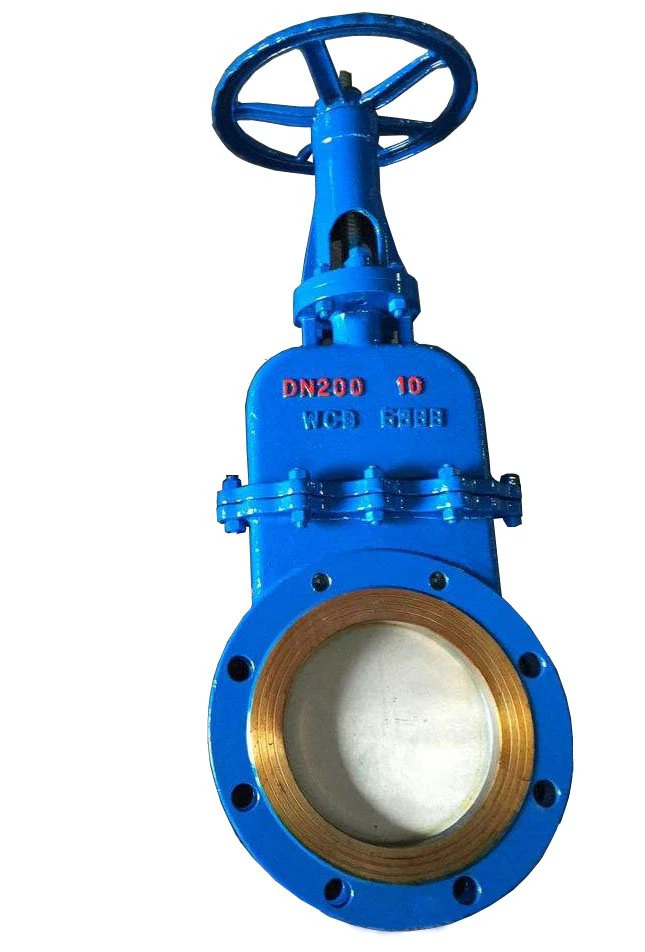
Choosing the right flat gate valve for the application is the first step in noise management. Select a valve with a design that is suitable for the flow rate, pressure, and fluid characteristics of the system. For high - noise applications, consider Flat Gate Valve models that are specifically designed for low - noise operation. These valves often have features such as noise - reducing liners or special gate designs.
System Modifications
Making modifications to the overall system can also help reduce noise. Properly supporting the pipeline can prevent vibrations and resonance. Installing silencers or dampers in the pipeline can absorb and reduce noise. Additionally, adjusting the flow rate and pressure in the system to more optimal levels can minimize the noise generated by the valve.

Maintenance and Inspection
Regular maintenance and inspection of the flat gate valve are crucial for noise control. Check for any signs of wear, damage, or misalignment in the valve components. Replace worn - out parts promptly to prevent increased noise due to loose or malfunctioning components. Lubricating moving parts can also reduce friction and noise.
Importance of Low - Noise Flat Gate Valves
Low - noise flat gate valves are essential in many applications. In industrial settings, a quiet working environment can improve the comfort and safety of workers. In residential or commercial buildings, low - noise valves are necessary to prevent noise pollution. For example, in a building's water supply system, a noisy valve can be a nuisance to the occupants. In addition, low - noise valves often indicate better performance and reliability, which can lead to longer service life and lower maintenance costs.
Related Valve Products
In addition to flat gate valves, we also offer a range of other valve products, such as Manual Slurry Valve. Manual slurry valves are designed for handling abrasive and viscous slurries, and they are engineered to provide reliable and efficient operation. Another product is the Ductile Cast Iron DN50 - 200 Groove Type Rising Stem Wedge Gate Valve For Fire Fighting. This valve is specifically designed for fire - fighting systems, where reliable and quick - acting valves are crucial.
Conclusion
Understanding the noise level of a flat gate valve is essential for ensuring a safe and comfortable working environment, as well as for optimizing the performance of the valve and the overall system. By considering the factors that affect noise, measuring the noise level accurately, and implementing appropriate noise - reduction strategies, we can ensure that our flat gate valves operate quietly and efficiently.
If you are interested in our flat gate valves or any of our other valve products, we encourage you to contact us for more information and to discuss your specific requirements. We are committed to providing high - quality valves and excellent customer service.
References
- ASME B16.34 - 2017, Valves - Flanged, Threaded, and Welding End.
- API 600 - 2015, Steel Gate, Globe, and Check Valves.
- ISO 5167 - 1:2003, Measurement of fluid flow by means of pressure differential devices inserted in circular cross - section conduits running full.