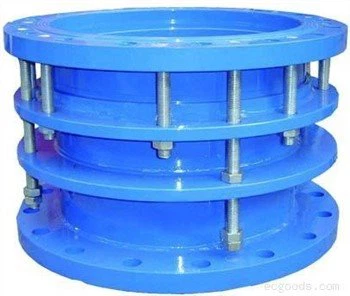
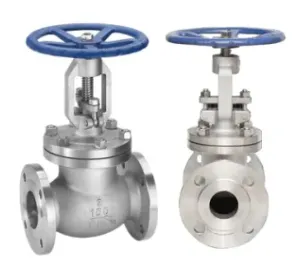
Hey there! As a supplier of metal seat valves, I often get asked about the operating temperature range of these valves. It's a crucial question because the temperature can significantly impact a valve's performance and lifespan. So, let's dive right into it and explore what you need to know about the operating temperature range of metal seat valves.
Understanding Metal Seat Valves
First off, let's quickly go over what metal seat valves are. Metal seat valves are designed with metal components in their sealing mechanism. This gives them several advantages over valves with other types of seats, like rubber or plastic. They're more durable, can handle higher pressures, and are often better suited for applications where there's a lot of wear and tear.
Factors Affecting the Operating Temperature Range
The operating temperature range of a metal seat valve isn't a one - size - fits - all thing. There are several factors that come into play:
1. Metal Material
The type of metal used in the valve is a major factor. Different metals have different melting points and thermal expansion properties. For example, stainless steel is a popular choice for metal seat valves. It can typically handle temperatures ranging from - 200°C to around 600°C. On the other hand, carbon steel can operate in a temperature range of about - 50°C to 400°C.
2. Coating and Surface Treatments
Sometimes, metal seat valves are coated or treated to improve their performance. These coatings can affect the temperature range. For instance, a ceramic coating might increase the valve's ability to withstand high temperatures. But if the coating isn't properly applied or isn't compatible with the base metal, it could cause problems at extreme temperatures.
3. Design and Construction
The way the valve is designed also matters. Valves with better heat dissipation features can handle higher temperatures. For example, a valve with fins or a larger surface area for heat transfer will be able to operate at higher temperatures without overheating.
Typical Operating Temperature Ranges
Now, let's talk about some typical temperature ranges for metal seat valves.
Low - Temperature Applications
For applications where the temperature is very low, like in cryogenic systems, metal seat valves made from materials like stainless steel or special alloys are used. These valves can operate at temperatures as low as - 270°C. They're designed to maintain their sealing integrity even in extremely cold conditions. You might find these valves in industries such as liquefied natural gas (LNG) processing or scientific research where low - temperature environments are common.
High - Temperature Applications
In high - temperature applications, such as in power plants or chemical processing, metal seat valves need to withstand temperatures up to 1000°C or even higher in some cases. Valves made from refractory metals or alloys with high melting points are used here. For example, valves with a nickel - based alloy seat can handle very high temperatures and are resistant to corrosion and oxidation.
Why the Operating Temperature Range Matters
You might be wondering why the operating temperature range is so important. Well, if a valve is used outside of its recommended temperature range, it can lead to a number of problems:
1. Sealing Issues
At high temperatures, the metal can expand, which might cause the valve to leak. On the other hand, at low temperatures, the metal can contract, and the sealing surfaces might not fit together properly. This can result in product leakage, which is not only wasteful but can also be dangerous in some applications.
2. Reduced Lifespan
Exposing a valve to temperatures outside its range can significantly reduce its lifespan. The metal can become brittle at low temperatures or start to deform at high temperatures. This can lead to premature failure of the valve, which means more frequent replacements and higher costs for you.
3. Performance Degradation
The valve's performance can also be affected. For example, the flow rate through the valve might change, or the valve might not open or close properly. This can disrupt the entire process in which the valve is used.
Our Product Range and Temperature Compatibility
As a supplier of metal seat valves, we offer a wide range of products to suit different temperature requirements.
We have Split Butterfly Valve, SS316 Disc, PN16, Lever Op. The SS316 disc gives it good corrosion resistance and allows it to operate in a temperature range of - 20°C to 200°C. This makes it suitable for a variety of industrial applications where the temperature isn't too extreme.
Another product is the EPDM Coated Groove End Butterfly Valve. The EPDM coating not only provides additional sealing but also helps in maintaining the valve's performance in a temperature range of - 10°C to 130°C. It's great for applications where water or other non - aggressive fluids are being handled.
We also have the Notched Butterfly Valve. This valve is designed to handle higher pressures and temperatures. It can operate in a temperature range of - 50°C to 400°C, making it suitable for more demanding industrial processes.
Contact Us for Your Metal Seat Valve Needs
If you're in the market for metal seat valves and need to find the right ones for your specific temperature requirements, don't hesitate to reach out. We have a team of experts who can help you choose the best valve for your application. Whether you're dealing with low - temperature cryogenic systems or high - temperature power plants, we've got you covered.
So, whether you're looking to replace an old valve or are starting a new project, give us a shout. We'll work with you to ensure you get the most reliable and cost - effective metal seat valves for your needs.


References
- ASME Boiler and Pressure Vessel Code
- API (American Petroleum Institute) Standards
- Manufacturer's technical data sheets for metal seat valves