As a supplier of Rising Stem Gate Valves, I've had numerous opportunities to explore the intricacies of these essential industrial components. One crucial part that often goes unnoticed but plays a pivotal role in the operation of a Rising Stem Gate Valve is the valve stem nut. In this blog, I'll delve into the specific functions and importance of the valve stem nut within a Rising Stem Gate Valve.
Understanding the Rising Stem Gate Valve
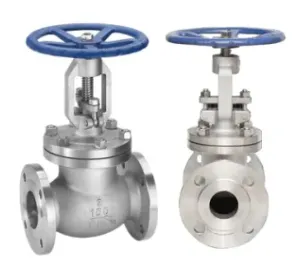
Before we discuss the valve stem nut, let's briefly understand the Rising Stem Gate Valve itself. A Rising Stem Gate Valve is a type of valve used to control the flow of fluid through a pipeline. It consists of a gate, which is a flat or wedge - shaped disc that moves up and down to either block or allow the flow of fluid. The stem of the valve is connected to the gate, and as the stem moves vertically, the gate is raised or lowered. This vertical movement of the stem is a characteristic feature of a Rising Stem Gate Valve, which allows for easy visual indication of the valve's open or closed position.
The Valve Stem Nut: A Key Component
The valve stem nut is a threaded component that is typically mounted on the valve bonnet. It engages with the threaded stem of the valve. When the valve operator (such as a handwheel or an actuator) is turned, the valve stem nut rotates. Due to the threaded connection between the stem and the nut, this rotation of the nut causes the stem to move linearly up or down.
1. Translating Rotary Motion to Linear Motion
One of the primary roles of the valve stem nut is to convert the rotary motion provided by the valve operator into linear motion of the valve stem. For example, when a worker turns a handwheel on the valve, the valve stem nut rotates around the stem. The threads on the stem and the nut are designed in such a way that this rotation results in the stem moving either upwards or downwards. This linear movement of the stem is then transferred to the gate, which opens or closes the valve. Without the valve stem nut, it would be extremely difficult to achieve the precise linear motion required to operate the gate effectively.
2. Providing Mechanical Advantage
The valve stem nut also provides a mechanical advantage. By using a threaded connection, a relatively small amount of torque applied to the valve operator (handwheel or actuator) can generate a large force on the valve stem. This allows operators to open or close the valve with less effort, especially in large - sized valves where the gate may be heavy and require a significant amount of force to move. For instance, in a large - diameter Rising Stem Gate Valve used in a water treatment plant, the valve stem nut helps in easily raising or lowering the heavy gate, making the operation more efficient and less strenuous for the workers.
3. Ensuring Precise Positioning
Precise positioning of the gate is crucial for the proper functioning of a Rising Stem Gate Valve. The valve stem nut helps in achieving this precision. The threads on the stem and the nut are designed with a specific pitch, which determines the amount of linear movement of the stem for each rotation of the nut. This allows operators to control the position of the gate accurately. Whether the valve needs to be fully open, fully closed, or partially open for flow regulation, the valve stem nut enables the operator to achieve the desired position with a high degree of accuracy.
Impact on Valve Performance
The valve stem nut has a significant impact on the overall performance of the Rising Stem Gate Valve.
1. Sealing Performance
Proper operation of the valve stem nut is essential for maintaining a good seal. When the valve is closed, the gate needs to be firmly seated against the valve seats to prevent leakage. The valve stem nut ensures that the stem can apply the necessary force to the gate to achieve a tight seal. If the valve stem nut is worn or damaged, it may not be able to generate enough force, leading to leakage. This can be a serious issue, especially in applications where the fluid being transported is hazardous or expensive.


2. Durability and Longevity
The quality and design of the valve stem nut also affect the durability of the valve. A well - designed valve stem nut made from high - quality materials can withstand the repeated cycles of rotation and the forces exerted on it during valve operation. On the other hand, a low - quality valve stem nut may wear out quickly, leading to premature failure of the valve. Regular maintenance and inspection of the valve stem nut are necessary to ensure its proper functioning and to extend the lifespan of the valve.
Types of Valve Stem Nuts
There are different types of valve stem nuts used in Rising Stem Gate Valves, each with its own advantages.
1. Bronze Valve Stem Nuts
Bronze is a popular material for valve stem nuts due to its good corrosion resistance and self - lubricating properties. Bronze valve stem nuts are suitable for a wide range of applications, including those in water, oil, and gas industries. They can withstand the harsh environments and the chemical reactions that may occur within the pipeline.
2. Stainless Steel Valve Stem Nuts
Stainless steel valve stem nuts are used in applications where corrosion resistance is of utmost importance. They are commonly used in industries such as food and beverage, pharmaceuticals, and chemical processing, where the fluid being transported may be highly corrosive. Stainless steel valve stem nuts offer excellent durability and can maintain their performance over a long period.
Applications and Related Products
Rising Stem Gate Valves with well - functioning valve stem nuts are used in a variety of industries. For applications in water supply systems, Rubber Seat Gate Valve can be a great choice. The rubber seat provides a better seal and is suitable for handling water and other non - corrosive fluids.
In industries that follow American standards, American Standard Flanged Gate Valves are often used. These valves are designed to meet the specific requirements of American standards and are widely used in the United States and other countries that follow similar standards.
For applications that require compliance with ANSI standards, ANSI Gate Valve ANSI is the ideal option. These valves are designed to meet the high - quality and performance standards set by the American National Standards Institute.
Conclusion
In conclusion, the valve stem nut is an indispensable component of a Rising Stem Gate Valve. It plays a crucial role in translating rotary motion to linear motion, providing mechanical advantage, and ensuring precise positioning of the gate. Its performance directly affects the sealing performance and durability of the valve. As a supplier of Rising Stem Gate Valves, we understand the importance of high - quality valve stem nuts and offer a wide range of valves with well - designed and reliable valve stem nuts.
If you are in need of Rising Stem Gate Valves or have any questions about valve stem nuts or our products, please feel free to contact us for a procurement discussion. We are committed to providing you with the best - quality valves and excellent customer service.
References
- ASME Standards on Valves and Fittings
- API (American Petroleum Institute) Publications on Valve Design and Operation
- Manufacturer's Manuals for Rising Stem Gate Valves