Hey there! As a supplier of bronze butterfly valves, I often get asked about the surface finish of these valves. So, let's dive right into it and explore what the surface finish of a bronze butterfly valve is all about.
First off, the surface finish of a bronze butterfly valve plays a crucial role in its performance, durability, and overall appearance. It's not just about making the valve look good; it has practical implications too.
One of the most common surface finishes for bronze butterfly valves is a simple polished finish. A polished surface gives the valve a sleek and clean look. It also helps in reducing friction. When the valve is in operation, less friction means smoother movement of the butterfly disc inside the valve body. This can lead to more efficient flow control and less wear and tear on the internal components. For example, in a water - handling system, a polished bronze butterfly valve can ensure that water flows through it with minimal resistance, which is great for energy efficiency.
Another popular finish is the powder - coated finish. Powder coating involves applying a dry powder to the surface of the valve and then baking it to form a hard, protective layer. This finish offers excellent corrosion resistance. Bronze, although a relatively corrosion - resistant metal, can still be affected by harsh chemicals or environmental conditions over time. A powder - coated bronze butterfly valve can withstand exposure to things like saltwater, acidic solutions, or industrial pollutants. It acts as a barrier, preventing the bronze from coming into direct contact with these corrosive substances. So, if you're using the valve in a marine environment or an industrial plant where there are corrosive agents present, a powder - coated finish is a smart choice.
There's also the option of an electroplated finish. Electroplating involves depositing a thin layer of another metal onto the surface of the bronze valve. Common metals used for electroplating include chrome or nickel. An electroplated finish not only enhances the valve's corrosion resistance but also gives it a shiny, high - end appearance. It can make the valve more aesthetically pleasing, which might be important in applications where the valve is visible, like in some architectural or decorative installations.
Now, let's talk about how the surface finish can impact the valve's sealing performance. A smooth surface finish is essential for a good seal. The butterfly valve's disc needs to fit snugly against the seat to prevent leakage. If the surface of the valve body or the disc has rough spots or imperfections, it can create gaps where fluid can escape. For instance, in a pipeline carrying pressurized gas or liquid, even a small leak can be a big problem. So, a high - quality surface finish ensures that the valve can provide a tight and reliable seal.
As a supplier, I've seen how different surface finishes can affect the valve's compatibility with different types of media. For example, if you're using the valve to control the flow of food - grade liquids, you'll need a surface finish that is hygienic and easy to clean. A polished finish is often a great option in this case because it doesn't have pores or crevices where bacteria or other contaminants can accumulate.
When it comes to choosing the right surface finish for a bronze butterfly valve, it really depends on the specific application. If you're looking for a valve for a general water supply system, a simple polished finish might be sufficient. But if you're dealing with a more demanding environment, like an oil refinery or a chemical processing plant, a powder - coated or electroplated finish would be more appropriate.
Now, I'd like to introduce some of our bronze butterfly valve products. We have the Replaceable Seat/Loose Liner EPDM NBR Rubber Lined Seal Double Flanged Connection Butterfly Valve For Water. This valve is designed for water applications and offers a reliable seal with its rubber - lined seat. The surface finish on this valve is carefully selected to ensure long - term performance in water systems.
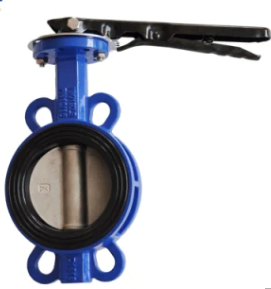
We also have the Wafer Type Cast Iron Butterfly Valve With Handles. This type of valve is compact and easy to install. The surface finish on this valve is optimized to resist corrosion and provide smooth operation, making it a great choice for various industrial and commercial applications.
And then there's the Handle Type Vertical Plate Ductile Iron Soft Seal Butterfly Valve. With its soft seal design, it offers excellent sealing performance. The surface finish helps protect the valve from wear and tear, ensuring a long service life.

If you're in the market for bronze butterfly valves, whether it's for a new project or to replace existing valves, I encourage you to reach out. We can help you choose the right valve with the appropriate surface finish for your specific needs. Whether you're working on a small - scale plumbing project or a large - scale industrial installation, we've got the expertise and the products to meet your requirements. So, don't hesitate to contact us for more information and to start a procurement discussion.
References:
- Valve Handbook: A Guide to Valve Technology, various authors
- Industrial Valve Selection and Application Manual, industry experts