Hey there! As a Knife Gate Valve supplier, I'm super stoked to dive into the topic of valve stem seal design for Knife Gate Valves. It's a crucial aspect that can make or break the performance of these valves, so let's get right into it.
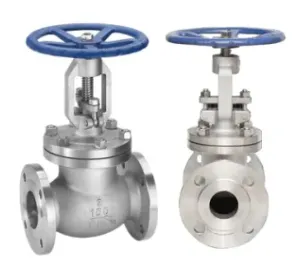
First off, let's talk about what a Knife Gate Valve is. It's a type of valve that uses a flat gate to control the flow of fluid through a pipeline. The gate slides up and down to either open or close the valve, and it's often used in applications where there's a lot of debris or slurry in the fluid.
Now, the valve stem is the part that connects the actuator (the thing that makes the valve open and close) to the gate. And the valve stem seal is what prevents the fluid from leaking out around the stem. It's a pretty important job, right?
There are a few different types of valve stem seal designs that we use for Knife Gate Valves. One of the most common is the packing seal. This is basically a bunch of rings made of a soft, flexible material like graphite or PTFE (that's polytetrafluoroethylene, if you're curious). These rings are packed around the stem, and they create a tight seal that keeps the fluid from leaking out.
The advantage of a packing seal is that it's relatively simple and inexpensive. It's also easy to replace if it starts to wear out. However, it does require some maintenance. You need to periodically tighten the packing to make sure it's still creating a good seal. And if you over-tighten it, it can cause the stem to bind up and make the valve harder to operate.
Another type of valve stem seal design is the mechanical seal. This is a more complex and expensive option, but it offers some significant advantages. A mechanical seal consists of two flat surfaces that are pressed together to create a seal. One surface is attached to the stem, and the other is attached to the valve body.
The advantage of a mechanical seal is that it's very reliable and doesn't require as much maintenance as a packing seal. It also creates a better seal, which means there's less chance of fluid leaking out. However, it's more difficult to install and replace, and it can be more expensive if something goes wrong.
So, which type of valve stem seal design is right for your application? Well, it depends on a few factors. If you're working with a relatively clean fluid and you don't need a super-tight seal, a packing seal might be a good option. It's simple, inexpensive, and easy to maintain.
On the other hand, if you're working with a dirty or corrosive fluid, or if you need a really tight seal, a mechanical seal might be a better choice. It's more reliable and offers better performance, but it does come with a higher price tag.
Now, let's talk about some of the other factors that can affect the valve stem seal design. One of the most important is the temperature of the fluid. If the fluid is very hot or very cold, it can affect the performance of the seal. For example, if the fluid is too hot, it can cause the packing to dry out and lose its flexibility. And if the fluid is too cold, it can cause the seal to become brittle and crack.
Another factor is the pressure of the fluid. If the pressure is very high, it can put a lot of stress on the seal. This can cause the seal to fail or leak. So, you need to make sure that the seal is designed to handle the pressure of your application.
The type of fluid you're working with is also important. Some fluids are more corrosive than others, and they can damage the seal. For example, if you're working with a fluid that contains acids or alkalis, you need to make sure that the seal is made of a material that's resistant to corrosion.
At our company, we offer a wide range of Knife Gate Valves with different valve stem seal designs. We can help you choose the right valve for your application based on your specific needs and requirements. Whether you need a packing seal or a mechanical seal, we've got you covered.
And if you're in the market for a Knife Gate Valve, we'd love to hear from you. We offer high-quality valves at competitive prices, and we're committed to providing excellent customer service. So, if you have any questions or if you'd like to get a quote, just reach out to us. We're here to help you find the perfect valve for your needs.
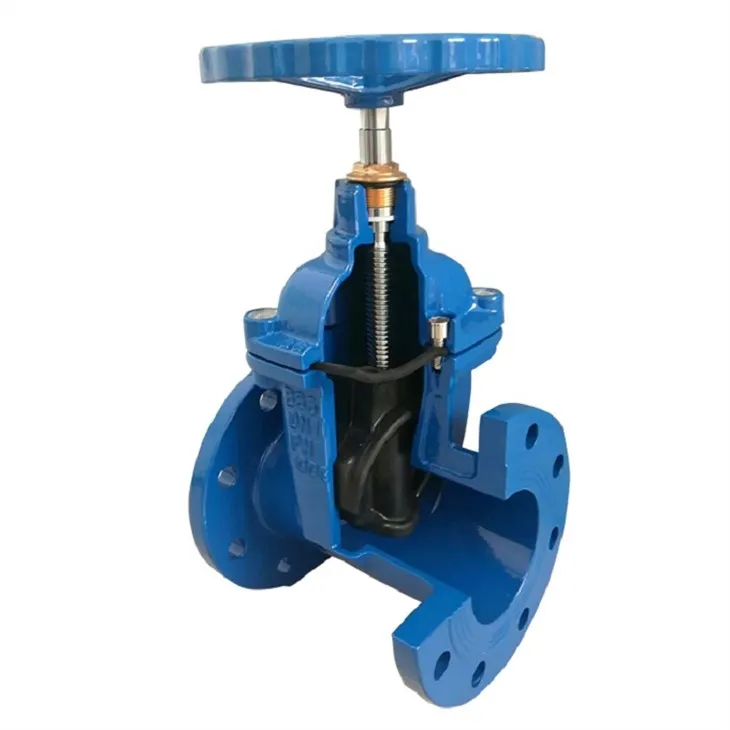
In addition to our Knife Gate Valves, we also offer other types of valves, such as F4 Gate Valve F4, Non-rising Stem Gate Valve, and Parallel Gate Valve. These valves are all designed to meet the highest standards of quality and performance, and they're suitable for a wide range of applications.

So, if you're looking for a reliable valve supplier, look no further. We've got the expertise and the products to meet your needs. Just give us a call or send us an email, and we'll be happy to help you out.
References:
- Valve Handbook, 4th Edition by Robert W. Daugherty
- Fluid Mechanics and Hydraulics by Roberson, Cassidy, and Chaudhry