What is the wear resistance of a Knife Gate Valve?


As a supplier of Knife Gate Valves, I often encounter inquiries about the wear resistance of these essential industrial components. Wear resistance is a critical factor in determining the performance and longevity of Knife Gate Valves, especially in applications where they are exposed to abrasive media, high - velocity flows, or harsh operating conditions.
Understanding Knife Gate Valves
Before delving into wear resistance, it's important to understand what a Knife Gate Valve is. A Knife Gate Valve is a type of valve that uses a flat gate with a sharp edge, similar to a knife, to cut through media and control the flow. These valves are commonly used in industries such as mining, pulp and paper, wastewater treatment, and chemical processing, where they handle slurries, viscous fluids, and solid - laden media.
Factors Affecting Wear Resistance
-
Material Selection
The choice of materials for the valve components plays a crucial role in determining its wear resistance. For the gate, materials such as stainless steel, alloy steel, and hard - faced metals are commonly used. Stainless steel offers good corrosion resistance, which is important in environments where the media may be corrosive. Alloy steel, on the other hand, can provide high strength and toughness, making it suitable for handling abrasive slurries. Hard - faced metals, like tungsten carbide or stellite, are applied as coatings on the gate and seat surfaces to enhance wear resistance. These coatings can significantly reduce the wear caused by the abrasive particles in the media. -
Design of the Valve
The design of the Knife Gate Valve also impacts its wear resistance. A well - designed valve should have a smooth flow path to minimize turbulence and reduce the impact of the media on the valve components. The shape of the gate and the seat can also affect wear. For example, a gate with a sharp edge can cut through the media more effectively, reducing the dragging force and wear on the valve. Additionally, the sealing mechanism of the valve should be designed to prevent the media from leaking between the gate and the seat, as this can cause accelerated wear. -
Operating Conditions
The operating conditions, such as the velocity of the media, the concentration of abrasive particles, and the temperature, have a direct impact on the wear rate of the Knife Gate Valve. High - velocity flows can increase the erosive wear on the valve components, as the abrasive particles are carried at a higher speed and impact the surfaces with greater force. Similarly, a high concentration of abrasive particles in the media can also lead to more severe wear. Temperature can also affect the wear resistance, as some materials may become more brittle or lose their hardness at high temperatures.
Measuring Wear Resistance
There are several methods to measure the wear resistance of a Knife Gate Valve. One common method is through laboratory testing, where samples of the valve materials are exposed to abrasive media under controlled conditions. The amount of material loss is then measured over a specific period of time to determine the wear rate. Another method is through field monitoring, where the performance of the valve is observed in real - world applications. This can involve measuring the change in the valve's flow rate, pressure drop, or leakage over time to assess the degree of wear.
Importance of Wear Resistance in Applications
-
Mining Industry
In the mining industry, Knife Gate Valves are used to control the flow of slurries, which contain a high concentration of abrasive particles such as sand, gravel, and ore. Wear resistance is crucial in this application, as the valves need to withstand the constant abrasion from the slurries. A valve with poor wear resistance can quickly fail, leading to costly downtime and maintenance. For example, in a copper mine, a Knife Gate Valve that is not wear - resistant may experience severe wear on the gate and seat, resulting in leakage and reduced flow control. -
Pulp and Paper Industry
The pulp and paper industry also relies heavily on Knife Gate Valves to handle viscous fluids and fibrous materials. These materials can be abrasive and cause wear on the valve components. A wear - resistant Knife Gate Valve can ensure reliable operation and prevent blockages in the pipelines. For instance, in a paper mill, a valve with good wear resistance can cut through the pulp efficiently, maintaining a smooth flow and reducing the risk of production interruptions. -
Wastewater Treatment
In wastewater treatment plants, Knife Gate Valves are used to control the flow of sewage and sludge, which may contain various abrasive and corrosive substances. Wear resistance is essential to ensure the long - term performance of the valves in this harsh environment. A valve that can resist wear can reduce the frequency of replacements and maintenance, saving both time and money.
Our Product Offerings
As a supplier, we offer a wide range of Knife Gate Valves with excellent wear resistance. Our Manual Lug Type Knife Gate Valve is designed with high - quality materials and advanced manufacturing techniques to provide reliable performance in abrasive applications. The gate is made of alloy steel with a hard - faced coating, which enhances its wear resistance and durability.
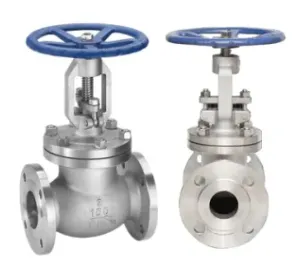
We also have Rising Stem Flanged Gate Valve Z41H, which is suitable for applications where a higher level of flow control is required. The valve's design ensures a smooth flow path and reduces the impact of the media on the valve components, thus improving its wear resistance.
In addition, our American Standard Flanged Gate Valves are manufactured to meet the strict quality standards. These valves are available in different materials and configurations, allowing customers to choose the most suitable option for their specific applications.
Contact for Purchase and Negotiation
If you are in need of high - quality Knife Gate Valves with excellent wear resistance, we invite you to contact us for purchase and negotiation. Our team of experts is ready to assist you in selecting the right valve for your application and providing you with the best possible solutions.
References
- ASM Handbook Volume 18: Friction, Lubrication, and Wear Technology. ASM International.
- Valve Handbook, 4th Edition. Thomas L. Yeaple.