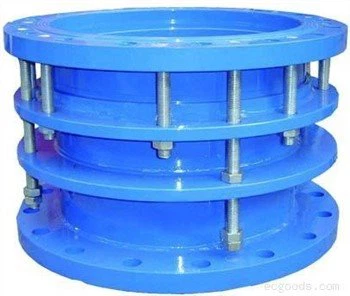
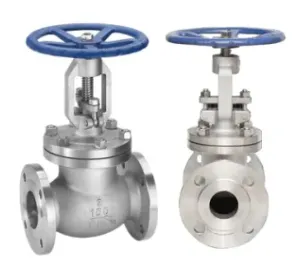
When it comes to the manufacturing of metal seat valves, the choice of materials is crucial as it directly impacts the valve's performance, durability, and suitability for various applications. As a leading supplier of metal seat valves, I have witnessed firsthand the significance of using the right materials to ensure optimal functionality and long - term reliability. In this blog, I will delve into the common materials used to make metal seat valves, exploring their properties, advantages, and typical applications.
Stainless Steel
Stainless steel is one of the most widely used materials in the production of metal seat valves. It is an alloy primarily composed of iron, chromium, and often nickel, with small amounts of other elements such as molybdenum and manganese. The addition of chromium gives stainless steel its corrosion - resistant properties. When exposed to oxygen, a thin, passive layer of chromium oxide forms on the surface of the steel, protecting it from further oxidation and corrosion.
One of the key advantages of stainless steel is its excellent resistance to a wide range of corrosive media, including acids, alkalis, and saltwater. This makes it suitable for applications in the chemical, petrochemical, and marine industries. For example, in a chemical processing plant, stainless steel metal seat valves can be used to control the flow of corrosive chemicals without the risk of rapid deterioration.
Stainless steel also has good mechanical properties. It offers high strength and toughness, which allows the valves to withstand high pressures and temperatures. In high - pressure steam systems, stainless steel valves can maintain their structural integrity and perform reliably. Additionally, stainless steel is relatively easy to machine and weld, which simplifies the manufacturing process of metal seat valves.
Carbon Steel
Carbon steel is another popular material for metal seat valves. It is an alloy of iron and carbon, with carbon content typically ranging from 0.05% to 2.1%. Carbon steel is known for its high strength and excellent ductility. It can be easily formed into various shapes, making it suitable for manufacturing complex valve components.
One of the main advantages of carbon steel is its cost - effectiveness. Compared to stainless steel, carbon steel is generally less expensive, which makes it an attractive option for applications where corrosion resistance is not the primary concern. In the oil and gas industry, carbon steel metal seat valves are commonly used in on - shore and off - shore pipelines to control the flow of crude oil and natural gas.
However, carbon steel is more prone to corrosion than stainless steel. When exposed to moisture and oxygen, it can rust. To mitigate this issue, carbon steel valves are often coated with a protective layer, such as epoxy or zinc, to prevent corrosion. In some cases, corrosion inhibitors can also be added to the fluid flowing through the valve to reduce the risk of rusting.
Alloy Steel
Alloy steel is a type of steel that contains additional alloying elements, such as chromium, nickel, molybdenum, and vanadium, in addition to carbon. These alloying elements are added to enhance the steel's properties, such as strength, hardness, and corrosion resistance.
Alloy steel is often used in applications where high - performance valves are required. For example, in power generation plants, alloy steel metal seat valves are used in high - temperature and high - pressure steam systems. The addition of elements like molybdenum can improve the steel's high - temperature strength and creep resistance, allowing the valves to operate reliably under extreme conditions.
Alloy steel also offers good wear resistance. In industries where the valves are exposed to abrasive media, such as mining and cement production, alloy steel valves can provide longer service life compared to carbon steel or stainless steel valves.
Bronze
Bronze is an alloy primarily composed of copper and tin, with small amounts of other elements such as zinc, lead, and phosphorus. Bronze has been used in valve manufacturing for centuries due to its excellent corrosion resistance and good machinability.
Bronze is particularly suitable for applications in freshwater systems, such as water treatment plants and plumbing systems. It is resistant to the corrosion caused by water and can maintain its integrity over a long period. In addition, bronze has a relatively low coefficient of friction, which means that the valves made of bronze can operate smoothly with less energy consumption.
Bronze is also aesthetically pleasing, which makes it a popular choice for decorative valve applications. For example, in some high - end buildings, bronze valves are used not only for their functionality but also for their decorative value.
Titanium
Titanium is a lightweight and strong metal with excellent corrosion resistance. It forms a stable oxide layer on its surface when exposed to oxygen, which protects it from corrosion in a wide range of environments, including seawater, acids, and alkalis.
Titanium is commonly used in applications where weight is a critical factor, such as in aerospace and marine industries. In the aerospace industry, titanium metal seat valves can be used in aircraft hydraulic systems to reduce the overall weight of the aircraft while maintaining high performance. In the marine industry, titanium valves are used in desalination plants and offshore platforms to control the flow of seawater without the risk of corrosion.
However, titanium is relatively expensive compared to other materials, which limits its use to applications where its unique properties are essential.
The Importance of Material Selection
The selection of the right material for a metal seat valve depends on several factors, including the type of fluid being handled, the operating pressure and temperature, the corrosiveness of the environment, and the cost. For example, if the valve is going to be used in a highly corrosive chemical environment, stainless steel or titanium may be the best choice. On the other hand, if cost is a major concern and corrosion is not a significant issue, carbon steel may be more suitable.
As a metal seat valve supplier, I understand the importance of providing our customers with the right valves for their specific applications. We offer a wide range of metal seat valves made from different materials to meet the diverse needs of our customers. Whether you need a valve for a chemical processing plant, an oil and gas pipeline, or a water treatment facility, we have the expertise and products to meet your requirements.

Explore Our Product Range
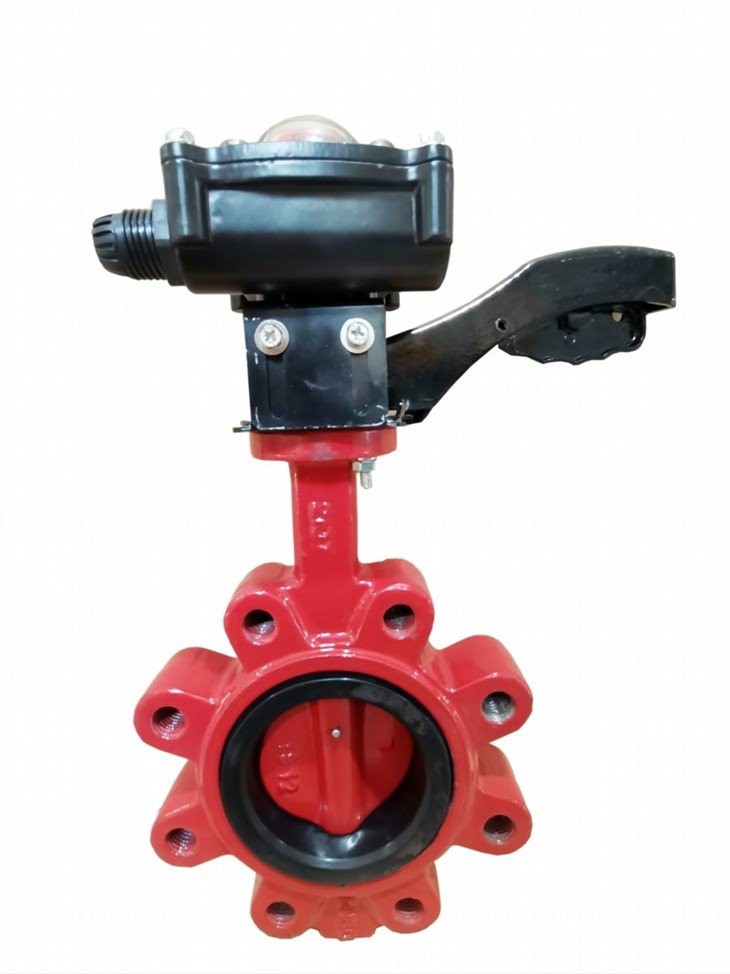
If you are interested in our metal seat valves, we also offer a variety of other valve products. For instance, we have the U Type Butterfly Valve With Handle Or Gear Operator, which is suitable for applications where precise flow control is required. Our Ductile Iron Butterfly Valve is known for its high strength and durability, making it a popular choice in many industrial applications. And our Tianjin Manufacturer Cast Iron Wafer Type Butterfly Valve offers a cost - effective solution for general fluid control.
Contact Us for Procurement
If you are in the market for metal seat valves or any of our other valve products, we encourage you to contact us for procurement discussions. Our team of experts is ready to assist you in selecting the right valves for your specific needs and providing you with competitive pricing and excellent customer service.
References
- ASM Handbook Committee. (2004). ASM Handbook, Volume 1: Properties and Selection: Irons, Steels, and High - Performance Alloys. ASM International.
- Valve Manufacturers Association of America. (2009). Valve Standards and Technical Information. VMA.
- Perry, R. H., & Green, D. W. (2008). Perry's Chemical Engineers' Handbook. McGraw - Hill.