What special requirements does a Bellows Gate Valve need to meet in explosive environments?
As a well - established Bellows Gate Valve supplier, I understand the critical importance of ensuring that our valves meet the highest standards, especially when they are intended for use in explosive environments. In such settings, the consequences of valve failure can be catastrophic, leading to fires, explosions, and significant loss of life and property. Therefore, Bellows Gate Valves must satisfy several special requirements to operate safely and effectively.
1. Material Selection
The choice of materials for Bellows Gate Valves in explosive environments is of utmost importance. The materials must be able to withstand the harsh conditions present in these areas, including high pressures, extreme temperatures, and corrosive substances.
- Body and Bonnet Materials: For the valve body and bonnet, materials with high strength and corrosion resistance are preferred. Stainless steel, such as 316L, is a common choice. It offers excellent resistance to a wide range of corrosive media, including acids, alkalis, and salts. Additionally, its high - strength properties ensure that the valve can withstand the internal pressures without deformation.
- Bellows Materials: The bellows, which is a crucial component for preventing leakage, must be made of materials that are both flexible and corrosion - resistant. Inconel is often used for bellows in explosive environments. Inconel has high - temperature strength, good corrosion resistance, and excellent fatigue resistance. These properties allow the bellows to expand and contract repeatedly without failure, ensuring a reliable seal over the valve's service life.
2. Sealing Performance
In explosive environments, preventing leakage is essential to avoid the release of flammable or explosive substances. Bellows Gate Valves must have superior sealing performance to meet this requirement.
- Bellows Sealing: The bellows acts as a secondary seal in addition to the traditional stem packing. It provides a hermetic seal around the valve stem, preventing the escape of process fluid. The bellows should be designed and manufactured to have a low leakage rate, typically meeting international standards such as ISO 15848 for fugitive emissions.
- Seat Sealing: The valve seat is another critical sealing point. It should be machined to a high degree of precision to ensure a tight fit with the valve disc. Soft - seated materials, such as PTFE (Polytetrafluoroethylene), can be used to enhance the sealing performance. PTFE has excellent chemical resistance and low friction coefficient, which helps to achieve a reliable seal even under low - pressure conditions.
3. Electrical and Static - Elimination Requirements
Explosive environments are often prone to the ignition of flammable substances by electrical sparks or static electricity. Therefore, Bellows Gate Valves need to meet specific electrical and static - elimination requirements.
- Electrical Equipment: If the valve is equipped with electric actuators or other electrical components, they must be designed and certified for use in explosive atmospheres. These components should comply with relevant standards such as ATEX (Atmosphères Explosibles) in Europe or NEC (National Electrical Code) in the United States. These standards ensure that the electrical equipment does not generate sparks or excessive heat that could ignite the surrounding explosive mixture.
- Static - Elimination: To prevent the build - up of static electricity, the valve surfaces should be made of conductive materials or be treated to be electrically conductive. Additionally, grounding devices can be installed on the valve to safely discharge any static charges that may accumulate during operation.
4. Pressure and Temperature Ratings
Explosive environments can have a wide range of pressure and temperature conditions. Bellows Gate Valves must be rated to handle these extreme conditions safely.


- Pressure Ratings: The valve should be designed to withstand the maximum operating pressure of the system. This requires careful calculation and design of the valve body, bonnet, and other components. Pressure - containing parts should be tested to ensure that they can withstand pressures well above the normal operating pressure without failure.
- Temperature Ratings: Extreme temperatures can affect the performance of the valve materials. High temperatures can cause the materials to lose their strength, while low temperatures can make them brittle. Bellows Gate Valves should be rated for the specific temperature range of the explosive environment. For example, in cryogenic applications, special materials and designs are required to ensure the valve's proper operation at extremely low temperatures.
5. Certification and Compliance
To be used in explosive environments, Bellows Gate Valves must meet various international and national standards and obtain relevant certifications.
- Safety Standards: Standards such as API (American Petroleum Institute) 600 for gate valves provide guidelines on design, manufacturing, and testing requirements. Complying with these standards ensures that the valve meets the industry - recognized safety levels.
- Explosion - Proof Certifications: In addition to general valve standards, valves for explosive environments need explosion - proof certifications. For example, the ATEX certification in Europe indicates that the valve is suitable for use in potentially explosive atmospheres. This certification requires rigorous testing to ensure that the valve does not pose an ignition risk.
Examples of Our Bellows Gate Valve Products
We offer a wide range of Bellows Gate Valves that are designed to meet the special requirements of explosive environments. Some of our popular products include:
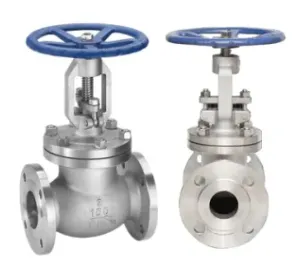
- Bevel Gear Flanged Gate Valve Z541H: This valve is equipped with a bevel gear mechanism for easy operation, even under high - pressure conditions. It is made of high - quality materials and has excellent sealing performance, making it suitable for explosive environments.
- Non Rising Stem Groove Resilient Gate Valve: The non - rising stem design of this valve is ideal for applications where space is limited. The groove resilient seat provides a tight seal, and the valve is designed to withstand the harsh conditions of explosive environments.
- F5 Gate Valve: The F5 Gate Valve is known for its robust construction and high - performance sealing. It is suitable for a wide range of pressure and temperature conditions, making it a reliable choice for explosive environments.
Conclusion
In explosive environments, Bellows Gate Valves must meet strict requirements in terms of material selection, sealing performance, electrical safety, pressure and temperature ratings, and certification. As a Bellows Gate Valve supplier, we are committed to providing high - quality valves that meet these special requirements. Our products are designed and manufactured to the highest standards, ensuring reliable and safe operation in even the most challenging explosive environments.
If you are in need of Bellows Gate Valves for your explosive environment applications, we invite you to contact us for more information and to discuss your specific requirements. Our team of experts is ready to assist you in selecting the most suitable valve for your project.
References
- API 600: Gate Valves - Flanged, Threaded, and Welding Ends, American Petroleum Institute.
- ISO 15848: Industrial valves - Measurement, test and qualification procedures for fugitive emissions, International Organization for Standardization.
- ATEX Directive 2014/34/EU: Equipment and protective systems intended for use in potentially explosive atmospheres, European Union.