When it comes to industrial piping systems, the choice of pipe fittings is crucial, especially in environments where they are exposed to various chemicals. As a leading pipe fitting supplier, I understand the importance of providing our customers with fittings that can withstand the corrosive effects of different chemicals. In this blog post, I will explore the types of pipe fittings that are resistant to chemicals, helping you make informed decisions for your piping needs.
PVC Pipe Fittings
PVC, or polyvinyl chloride, is a widely used material for pipe fittings due to its excellent chemical resistance. PVC pipe fittings are resistant to many acids, alkalis, salts, and other chemicals commonly found in industrial and residential applications. They are particularly suitable for handling water treatment chemicals, such as chlorine and sulfuric acid, as well as in the food and beverage industry, where they can be used for transporting non - aggressive liquids.
PVC pipe fittings are lightweight, easy to install, and relatively inexpensive. They come in a variety of shapes and sizes, including elbows, tees, couplings, and reducers. However, it's important to note that PVC has a limited temperature range. It can typically withstand temperatures up to around 60 - 65°C (140 - 149°F), and exposure to higher temperatures can cause the material to soften and lose its structural integrity.
CPVC Pipe Fittings
Chlorinated polyvinyl chloride (CPVC) is an upgraded version of PVC. It has a higher chlorine content, which gives it better heat resistance and chemical resistance compared to regular PVC. CPVC pipe fittings can handle temperatures up to around 93°C (200°F), making them suitable for hot water applications and industrial processes where higher temperatures are involved.
In terms of chemical resistance, CPVC is resistant to a wide range of acids, alkalis, and salts. It is commonly used in chemical processing plants, power generation facilities, and in the plumbing of commercial buildings. CPVC fittings are also easy to install using solvent welding, similar to PVC fittings, and they are available in a comprehensive range of sizes and configurations.
PTFE - Lined Pipe Fittings
Polytetrafluoroethylene (PTFE) is a synthetic fluoropolymer known for its exceptional chemical resistance. PTFE - lined pipe fittings are made by lining the inner surface of metal or plastic pipes and fittings with a layer of PTFE. This lining provides a barrier between the pipe wall and the chemicals being transported, protecting the base material from corrosion.
PTFE - lined fittings can resist almost all chemicals, including strong acids (such as hydrochloric acid and nitric acid), strong alkalis, and organic solvents. They are widely used in the chemical, pharmaceutical, and petrochemical industries, where highly corrosive substances are handled. However, PTFE - lined fittings are relatively expensive compared to other types of fittings, and they require special installation procedures to ensure the integrity of the lining.
Stainless Steel Pipe Fittings
Stainless steel is a popular choice for pipe fittings in many industries due to its good combination of strength, durability, and chemical resistance. Different grades of stainless steel offer varying levels of chemical resistance. For example, 304 stainless steel is resistant to many organic and inorganic chemicals, including mild acids and alkalis. It is commonly used in food processing, dairy, and beverage industries.
316 stainless steel, on the other hand, contains molybdenum, which enhances its resistance to pitting and crevice corrosion in chloride - containing environments. It is widely used in marine applications, chemical processing plants, and in the oil and gas industry. Stainless steel pipe fittings are available in a variety of forms, such as flanges, elbows, and tees, and they can be welded or connected using mechanical joints.
Titanium Pipe Fittings
Titanium is a highly corrosion - resistant metal. Titanium pipe fittings are extremely resistant to many corrosive chemicals, including seawater, chlorine, and sulfuric acid. They have a high strength - to - weight ratio, which makes them suitable for applications where weight is a concern, such as in aerospace and marine industries.
However, titanium is an expensive material, and the manufacturing process of titanium pipe fittings is more complex compared to other materials. This makes titanium pipe fittings a premium choice, typically used in high - end applications where the chemical resistance and performance requirements are extremely high.
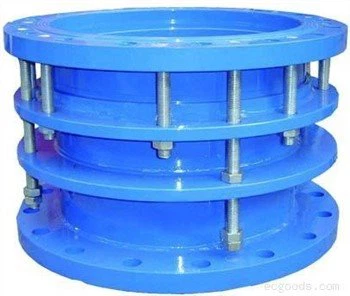
Double Flange Expansion Joint and Flange Pipe Expansion Joint
In addition to the above - mentioned pipe fittings, expansion joints are also important components in piping systems, especially in environments where chemicals are present. Double Flange Expansion Joint and Flange Pipe Expansion Joint can compensate for thermal expansion, vibration, and misalignment in the piping system.
These expansion joints can be made from materials with good chemical resistance, such as stainless steel or PTFE - lined materials. They play a crucial role in maintaining the integrity of the piping system and preventing leaks, which is essential when dealing with corrosive chemicals.


Conclusion
Choosing the right pipe fittings that are resistant to chemicals is essential for the safety and efficiency of your piping system. Each type of fitting has its own advantages and limitations, and the choice depends on factors such as the type of chemicals being transported, the temperature and pressure conditions, and the budget.
As a pipe fitting supplier, we offer a wide range of chemical - resistant pipe fittings to meet the diverse needs of our customers. Whether you need PVC, CPVC, PTFE - lined, stainless steel, or titanium pipe fittings, we have the expertise and products to provide you with the best solutions.
If you are in the process of planning a new piping system or need to replace existing fittings in a chemical - exposed environment, I encourage you to contact us. Our team of experts can help you select the most suitable pipe fittings for your specific application. We are committed to providing high - quality products and excellent customer service to ensure your project's success. Let's start the conversation today and find the perfect pipe fittings for your needs.
References
- "Handbook of Chemical Resistance of Plastics and Elastomers" by Carl A. Pulley.
- "Pipe Fitting Handbook" by the Pipe Fitting Association.
- Technical literature from pipe fitting manufacturers.