Hey there! As a supplier of rubber elbows, I often get asked this question: "Are rubber elbows resistant to seawater?" Well, let's dive right into it and find out.
First off, it's important to understand what rubber elbows are and what they're used for. Rubber elbows are flexible connectors made of rubber materials. They're commonly used in piping systems to absorb vibrations, compensate for misalignments, and reduce noise. They can be found in a wide range of industries, including marine, chemical, and power generation.
Now, let's talk about seawater. Seawater is a complex mixture of water, salts, and other chemicals. It's highly corrosive and can cause significant damage to many materials over time. When it comes to rubber elbows, the resistance to seawater depends on several factors, such as the type of rubber used, the additives in the rubber compound, and the environmental conditions.
There are different types of rubber that can be used to make rubber elbows, and each has its own properties and resistance to seawater. For example, Neoprene is a synthetic rubber that has good resistance to seawater. It's known for its excellent weatherability, ozone resistance, and chemical resistance. Neoprene rubber elbows can withstand the harsh conditions of the marine environment and are often used in seawater intake and discharge systems.
Another type of rubber that's commonly used is EPDM (Ethylene Propylene Diene Monomer). EPDM rubber has excellent resistance to water, steam, and many chemicals, including seawater. It has a high resistance to oxidation and can maintain its flexibility over a wide temperature range. EPDM rubber elbows are widely used in the marine industry for applications such as cooling water systems and fire protection systems.
However, it's not just the type of rubber that matters. The additives in the rubber compound also play a crucial role in determining the seawater resistance. Additives can be used to improve the rubber's properties, such as its resistance to UV radiation, heat, and chemicals. For example, some rubber compounds may contain antioxidants to prevent oxidation and degradation in the presence of seawater.
The environmental conditions also have a significant impact on the seawater resistance of rubber elbows. Factors such as temperature, pressure, and the presence of other contaminants in the seawater can all affect the performance of the rubber. For instance, high temperatures can accelerate the degradation of the rubber, while high pressures can cause the rubber to deform or crack.


In addition to the type of rubber and additives, the quality of the manufacturing process also matters. A well - made rubber elbow with proper vulcanization and quality control measures is more likely to have better seawater resistance. At our company, we use advanced manufacturing techniques to ensure that our rubber elbows meet the highest standards of quality and performance.
When considering using rubber elbows in seawater applications, it's also important to think about the installation and maintenance. Proper installation is crucial to ensure that the rubber elbow functions correctly and is not subjected to unnecessary stress. Regular maintenance, such as inspection for signs of wear and tear, can help extend the lifespan of the rubber elbow.
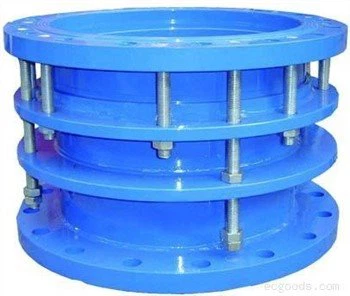
Now, if you're in the market for rubber elbows for seawater applications, you might also be interested in related products like Flange Pipe Expansion Joint and Double Flange Expansion Joint. These expansion joints can work in conjunction with rubber elbows to provide a more comprehensive solution for your piping system.
In conclusion, rubber elbows can be resistant to seawater, but it depends on various factors. By choosing the right type of rubber, ensuring proper additives, and maintaining high - quality manufacturing processes, rubber elbows can be a reliable choice for seawater applications.
If you're looking for high - quality rubber elbows for your seawater piping systems, we're here to help. We have a wide range of rubber elbows available in different sizes and specifications to meet your specific needs. Whether you're in the marine industry, chemical processing, or any other field that requires seawater - resistant piping components, we can provide you with the right solution. Don't hesitate to reach out to us for more information and to start a procurement discussion. We're eager to work with you and help you find the best rubber elbows for your project.
References
- "Handbook of Rubber Elastomers" - A comprehensive guide on rubber materials and their properties.
- "Marine Piping Systems: Design and Installation" - Covers the requirements and considerations for piping systems in the marine environment.