Can a bronze butterfly valve be used for steam applications? This is a question that often arises in industrial settings and among professionals involved in fluid control systems. As a supplier of bronze butterfly valves, I'm here to delve into this topic, providing a comprehensive analysis based on scientific principles and practical experience.

Properties of Bronze and Its Suitability for Steam
Bronze is an alloy primarily composed of copper and tin, with other elements such as zinc, lead, or phosphorus sometimes added to enhance specific properties. One of the key advantages of bronze is its excellent corrosion resistance. In steam applications, where moisture and oxygen are present, corrosion can be a major concern. The protective oxide layer that forms on the surface of bronze helps prevent rusting and degradation, which is crucial for maintaining the integrity of the valve over time.
Another important property of bronze is its relatively high strength and ductility. Steam systems often operate under high pressures and temperatures, and the valve must be able to withstand these conditions without failing. Bronze's mechanical properties make it capable of handling the stress and strain associated with steam flow, ensuring reliable performance.
Considerations for Using Bronze Butterfly Valves in Steam Applications
Temperature and Pressure Ratings
The first and most critical consideration when using a bronze butterfly valve in a steam application is its temperature and pressure ratings. Steam can reach high temperatures and pressures, depending on the specific process. It's essential to select a valve that is rated to handle the maximum temperature and pressure conditions of the steam system. For example, if the steam is superheated and reaches temperatures above 300°C, a standard bronze butterfly valve may not be suitable. In such cases, a valve made from a more heat-resistant material or a specially designed bronze valve with enhanced temperature capabilities may be required.
Sealing Performance
The sealing performance of the valve is another crucial factor. In steam applications, a tight seal is necessary to prevent steam leakage, which can lead to energy losses, safety hazards, and reduced system efficiency. Bronze butterfly valves typically use elastomeric seals, such as EPDM or NBR, which are suitable for a wide range of temperatures and pressures. However, the compatibility of the seal material with steam must be carefully considered. Some elastomers may degrade or lose their sealing properties when exposed to high-temperature steam over an extended period. Therefore, it's important to choose a valve with a seal material that is specifically designed for steam applications.
Flow Characteristics
Steam flow can be turbulent and high-velocity, which can affect the performance of the valve. The design of the butterfly valve must be optimized to ensure smooth flow and minimize pressure drop. A well-designed bronze butterfly valve should have a streamlined disc and a low-profile body to reduce resistance and allow for efficient steam flow. Additionally, the valve's actuation mechanism should be able to provide precise control over the flow rate, even under challenging steam conditions.
Advantages of Using Bronze Butterfly Valves in Steam Applications
Despite the considerations mentioned above, there are several advantages to using bronze butterfly valves in steam applications.
Cost-Effectiveness
Bronze is relatively inexpensive compared to some other materials used in valve manufacturing, such as stainless steel or titanium. This makes bronze butterfly valves a cost-effective option for steam systems, especially in applications where corrosion resistance and moderate temperature and pressure ratings are sufficient.
Ease of Installation and Maintenance
Bronze butterfly valves are lightweight and compact, which makes them easy to install and handle. They also have a simple design with fewer moving parts, which reduces the likelihood of mechanical failure and makes maintenance easier. Regular maintenance, such as checking the seal integrity and lubricating the actuation mechanism, can help ensure the long-term performance of the valve.
Versatility
Bronze butterfly valves can be used in a wide range of steam applications, including heating systems, power generation, and industrial processes. They are available in various sizes, connection types, and actuation methods, such as manual, pneumatic, or electric, which allows for flexibility in system design.
Our Product Offerings
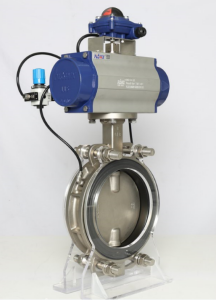
At our company, we offer a wide range of bronze butterfly valves suitable for steam applications. Our Pneumatic Expansion Butterfly Valve is designed to handle high-pressure steam with excellent sealing performance. The pneumatic actuation provides fast and precise control, making it ideal for applications where quick response is required.
Our Wafer Type Manual Butterfly Valve With Aluminium Handles is a cost-effective option for low to medium-pressure steam systems. The wafer design allows for easy installation between flanges, and the aluminium handles provide a durable and lightweight actuation mechanism.
For high-performance steam applications, we recommend our High Performance Lug Butteffly Valve. This valve is designed to handle high temperatures and pressures with minimal leakage. The lug design provides additional support and allows for the valve to be installed in a variety of piping configurations.
Conclusion
In conclusion, a bronze butterfly valve can be used for steam applications, provided that the appropriate considerations are taken into account. The properties of bronze, such as its corrosion resistance, strength, and ductility, make it a suitable material for steam valves. However, factors such as temperature and pressure ratings, sealing performance, and flow characteristics must be carefully evaluated to ensure the valve's reliable operation.
If you are considering using a bronze butterfly valve for your steam application, we encourage you to contact us for more information. Our team of experts can help you select the right valve for your specific needs and provide technical support throughout the installation and maintenance process.
References
- ASME Boiler and Pressure Vessel Code
- Valve Manufacturers Association (VMA) Standards
- Corrosion Handbook for Valve Materials