As a seasoned supplier of bronze butterfly valves, I've witnessed firsthand the diverse needs and preferences of our clients across various industries. One common question that often arises is the difference between wafer - type and lug - type bronze butterfly valves. In this blog post, I'll delve into the unique characteristics, advantages, and applications of each type, helping you make an informed decision for your specific requirements.
Structural Design
The most obvious difference between wafer - type and lug - type bronze butterfly valves lies in their structural design. A wafer - type bronze butterfly valve is designed to be installed between two flanges. It is a compact and lightweight option, with a relatively simple structure. The valve body is typically thin and is held in place by the bolts that connect the two flanges on either side. This design allows for a quick and easy installation, as it doesn't require additional hardware for mounting.
On the other hand, a lug - type bronze butterfly valve features threaded lugs on the outside of the valve body. These lugs are used to attach the valve to the pipeline using bolts and nuts. The lugs provide a secure connection and allow the valve to be installed in a line where one side of the pipeline can be disconnected without affecting the other side. This is especially useful in applications where maintenance or replacement of the valve is required.
Installation and Removal
When it comes to installation, wafer - type bronze butterfly valves are generally quicker and easier to install. Since they are simply sandwiched between two flanges, the installation process mainly involves aligning the valve with the flanges and tightening the bolts. This makes them a popular choice for applications where time is of the essence or where frequent valve replacement is expected.
However, the installation of lug - type bronze butterfly valves is a bit more involved. The threaded lugs need to be properly aligned with the holes in the flanges, and the bolts must be tightened evenly to ensure a leak - free connection. While the installation may take longer, the advantage of lug - type valves becomes apparent when it's time to remove or replace them. In a pipeline system, a lug - type valve can be removed without disturbing the adjacent pipes, which is a significant benefit in a complex or tight - spaced installation.
Pressure and Leakage Resistance
In terms of pressure resistance, both wafer - type and lug - type bronze butterfly valves can handle a wide range of pressures. However, lug - type valves often have an edge in high - pressure applications. The threaded lugs provide a more robust connection to the pipeline, which helps to distribute the pressure evenly across the valve body. This reduces the risk of the valve being pushed out of position or developing leaks under high pressure.
Regarding leakage resistance, both types can offer excellent sealing performance when properly installed. However, the design of lug - type valves makes it easier to maintain a tight seal over time. Since they can be securely fastened to the pipeline, there is less likelihood of the valve shifting due to vibration or pressure changes, which could potentially lead to leakage.


Application Scenarios
The choice between wafer - type and lug - type bronze butterfly valves also depends on the specific application. Wafer - type valves are commonly used in water treatment plants, HVAC systems, and general plumbing applications. Their compact design and easy installation make them ideal for systems where space is limited and cost - effectiveness is a major consideration. For example, in a large - scale water treatment facility, numerous wafer - type valves can be quickly installed throughout the pipeline network, reducing both installation time and costs.
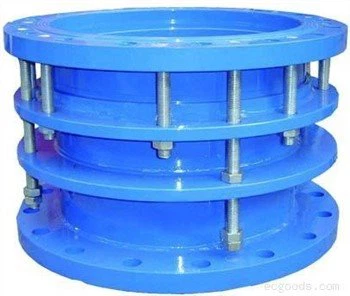
Our Replaceable Seat/Loose Liner EPDM NBR Rubber Lined Seal Double Flanged Connection Butterfly Valve For Water is a great option for water - related applications. It combines the advantages of double - flanged connection with reliable rubber - lined sealing, providing a long - lasting and efficient solution.
Lug - type bronze butterfly valves, on the other hand, are preferred in chemical processing plants, power generation facilities, and industrial pipelines where frequent maintenance or modification is required. In a chemical plant, for instance, different sections of the pipeline may need to be isolated for maintenance or repair. A lug - type valve allows for easy disconnection of one side of the pipeline without affecting the operation of the other side, minimizing downtime. Our Handle Type Vertical Plate Ductile Iron Soft Seal Butterfly Valve is often used in such applications, offering a reliable and durable solution with its soft - seal design.
Cost Considerations
Cost is another important factor to consider when choosing between wafer - type and lug - type bronze butterfly valves. Generally, wafer - type valves are more cost - effective. Their simpler design and fewer components result in lower manufacturing costs, which are often passed on to the customers. This makes them an attractive option for budget - conscious projects where the pressure and application requirements are not overly demanding.
However, while lug - type valves may be more expensive upfront, their long - term benefits can outweigh the initial cost. The ability to isolate sections of the pipeline for maintenance, the increased pressure resistance, and the reduced risk of leakage can lead to lower operating costs and less downtime in the long run.
High - Performance Options
For applications that require high - performance valves, we also offer PTFE Lined High Performance Wafer Butterfly Valve. This type of wafer - type valve combines the advantages of a wafer design with the chemical resistance and high - temperature performance of PTFE lining. It is suitable for use in demanding applications such as chemical processing and food and beverage industries.
Conclusion
In summary, the choice between a wafer - type and lug - type bronze butterfly valve depends on several factors, including installation requirements, pressure and leakage resistance, application scenarios, and cost considerations. Wafer - type valves are ideal for quick and easy installations, space - limited applications, and cost - sensitive projects. Lug - type valves, on the other hand, offer greater flexibility in maintenance, better pressure resistance, and are more suitable for applications where isolation of pipeline sections is necessary.
If you are still unsure which type of bronze butterfly valve is right for your project, or if you have any other questions about our products, please don't hesitate to contact us for expert advice. Our team of professionals is dedicated to helping you find the best valve solution for your specific needs. We look forward to engaging in procurement discussions with you and providing you with high - quality bronze butterfly valves that meet your expectations.
References
- Valves Handbook: A Guide to Selection, Installation, and Maintenance
- Industrial Pipeline Design and Valve Application Manual