Are rubber elbows resistant to UV rays? This is a question that often comes up when discussing the durability and performance of rubber elbows in various applications. As a supplier of rubber elbows, I've encountered this query numerous times from customers who are concerned about the long - term viability of these products, especially when they are exposed to outdoor environments.
Understanding Rubber Elbows
Rubber elbows are essential components in many piping systems. They are used to change the direction of fluid flow, absorb vibrations, and compensate for movement within the pipeline. These elbows are made from different types of rubber compounds, each with its own set of properties and characteristics. The most common types of rubber used in manufacturing rubber elbows include natural rubber, neoprene, EPDM (ethylene propylene diene monomer), and nitrile rubber.
The choice of rubber material depends on several factors, such as the type of fluid being transported, the operating temperature, and the pressure within the pipeline. For example, nitrile rubber is known for its excellent resistance to oil and fuel, making it suitable for applications in the automotive and petrochemical industries. On the other hand, EPDM rubber has good weather resistance and is often used in outdoor applications.
The Impact of UV Rays on Rubber
Ultraviolet (UV) rays are a part of the electromagnetic spectrum emitted by the sun. When rubber is exposed to UV rays, it can undergo a process called photodegradation. This process involves the breaking of chemical bonds in the rubber molecules due to the energy from the UV rays. As a result, the rubber can become brittle, crack, and lose its elasticity over time.
The extent of damage caused by UV rays depends on several factors, including the intensity and duration of exposure, the type of rubber, and the presence of any additives in the rubber compound. For instance, natural rubber is more susceptible to UV damage compared to some synthetic rubbers. This is because natural rubber has double bonds in its molecular structure, which are more easily broken by UV radiation.
Rubber Elbows and UV Resistance
Not all rubber elbows are equally resistant to UV rays. The UV resistance of a rubber elbow largely depends on the type of rubber used in its manufacture.
EPDM Rubber Elbows
EPDM rubber is one of the most UV - resistant rubber materials available. It has a saturated molecular structure, which means it has fewer double bonds that can be broken by UV rays. EPDM rubber elbows are commonly used in outdoor applications, such as in HVAC systems, water treatment plants, and drainage systems. These elbows can withstand long - term exposure to sunlight without significant degradation. For example, in a water treatment plant located in a sunny region, EPDM rubber elbows can last for many years, maintaining their flexibility and sealing properties.
Neoprene Rubber Elbows
Neoprene rubber also has a relatively good level of UV resistance. It contains chlorine atoms in its molecular structure, which provide some protection against UV radiation. Neoprene rubber elbows are often used in applications where there is a need for both UV resistance and resistance to oil and chemicals. For instance, in marine applications, neoprene rubber elbows can be used to connect pipes in boats and ships, where they are exposed to sunlight as well as seawater and fuel.
Nitrile Rubber Elbows
Nitrile rubber, while excellent for its oil and fuel resistance, is not as UV - resistant as EPDM or neoprene. Nitrile rubber elbows are more suitable for indoor applications or for use in environments where there is little or no exposure to sunlight. If nitrile rubber elbows are used outdoors, they may require additional protection, such as painting or coating, to enhance their UV resistance.
Enhancing UV Resistance
In addition to choosing the right type of rubber, there are other ways to enhance the UV resistance of rubber elbows.
Additives
Many rubber manufacturers add UV stabilizers and antioxidants to their rubber compounds. These additives can absorb the energy from UV rays and prevent it from reaching the rubber molecules. They can also help to repair any damaged bonds in the rubber molecules, thus extending the lifespan of the rubber elbow. For example, carbon black is a common additive used in rubber compounds. It not only provides UV protection but also improves the strength and abrasion resistance of the rubber.
Coating
Applying a protective coating to the rubber elbow can also increase its UV resistance. Coatings can act as a barrier between the rubber and the UV rays, preventing direct exposure. There are various types of coatings available, such as polyurethane coatings and silicone coatings. These coatings can be applied during the manufacturing process or on - site after installation.
Applications of UV - Resistant Rubber Elbows
UV - resistant rubber elbows have a wide range of applications, especially in outdoor environments.
Construction Industry
In the construction industry, UV - resistant rubber elbows are used in plumbing and drainage systems. They are installed in the exterior parts of buildings, where they are exposed to sunlight. For example, in a high - rise building, EPDM rubber elbows can be used to connect the vertical and horizontal pipes in the drainage system. These elbows can withstand the harsh outdoor conditions and ensure the smooth flow of wastewater.


Industrial Sector
In the industrial sector, UV - resistant rubber elbows are used in various processes. For instance, in chemical plants, EPDM rubber elbows can be used to connect pipes carrying corrosive chemicals. Since these elbows are exposed to sunlight as well as chemicals, their UV resistance is crucial for long - term performance.
Renewable Energy
In the renewable energy sector, such as in solar power plants, rubber elbows are used to connect pipes in the cooling systems. These elbows need to be UV - resistant to ensure the proper functioning of the system over its lifespan.
Comparing with Other Pipe Fittings
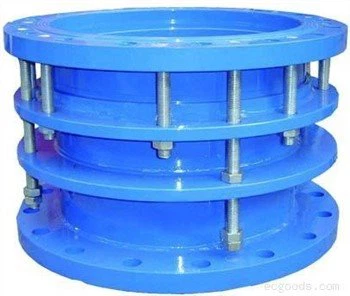
When considering pipe fittings for outdoor applications, it's important to compare rubber elbows with other types of fittings. For example, Double Flange Expansion Joint and Flange Pipe Expansion Joint are also used in piping systems. While these expansion joints can provide flexibility and compensation for movement, they may not have the same level of UV resistance as some rubber elbows. Expansion joints made of metal may be more prone to corrosion when exposed to sunlight and moisture, while rubber elbows made of UV - resistant rubber can offer better long - term performance in outdoor environments.
Conclusion
In conclusion, the UV resistance of rubber elbows depends on the type of rubber used. EPDM and neoprene rubber elbows are generally more resistant to UV rays compared to natural rubber and nitrile rubber elbows. By choosing the right type of rubber and considering the use of additives or coatings, it is possible to ensure that rubber elbows can withstand long - term exposure to sunlight.
If you are in the market for rubber elbows, especially for outdoor applications, it's important to consider their UV resistance. As a supplier of high - quality rubber elbows, we can provide you with the right product based on your specific requirements. Whether you need EPDM rubber elbows for a water treatment plant or neoprene rubber elbows for a marine application, we have the expertise and the products to meet your needs. Contact us to discuss your requirements and start a procurement process that will ensure the long - term performance of your piping system.
References
- "Rubber Technology: Compounding, Testing, and Applications" by Maurice Morton
- "Handbook of Elastomers" edited by Brian M. Walker and Charles P. Rader
- "Polymer Degradation and Stabilization" by George Scott