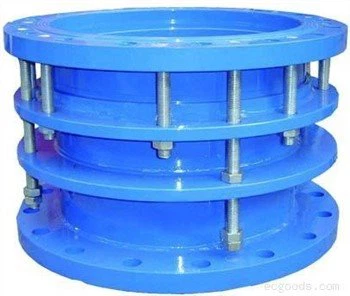
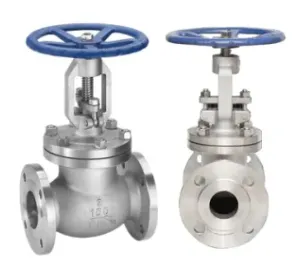
Hey there! As a flat gate valve supplier, I often get asked about how the cost of flat gate valves stacks up against other types of valves. So, let's dive right into it and break down the cost aspects of flat gate valves compared to some other popular valve types.
First off, let's talk about what flat gate valves are. Flat gate valves are designed with a flat gate that slides across the flow path to either open or close the valve. They're known for their ability to provide a tight seal and are commonly used in applications where a full - bore flow is required.
Now, let's start comparing the costs. One of the valve types we'll look at is the Knife Gate Valve. Knife gate valves are designed mainly for handling slurries, thick liquids, and applications where there's a lot of solids in the fluid.
In terms of upfront cost, knife gate valves are generally cheaper than flat gate valves. The reason behind this is the design and the materials used. Knife gate valves usually have a simpler design with a sharp - edged gate that cuts through the media. They don't require the same level of precision machining as flat gate valves. For example, if you're working on a project where you need to control the flow of a thick sludge, a knife gate valve might be a more budget - friendly option at the beginning.
However, when we consider the long - term cost, things can change. Flat gate valves are more durable and have a longer lifespan in many cases. They can handle a wider range of pressures and temperatures without significant wear and tear. Knife gate valves, on the other hand, may experience more rapid wear, especially when used in abrasive environments. This means that you might have to replace a knife gate valve more frequently, which can add up in terms of cost over time.
Another valve type to compare with is the Rising Stem Gate Valve. Rising stem gate valves have a stem that moves up and down as the valve is opened or closed, which gives a visual indication of the valve's position.
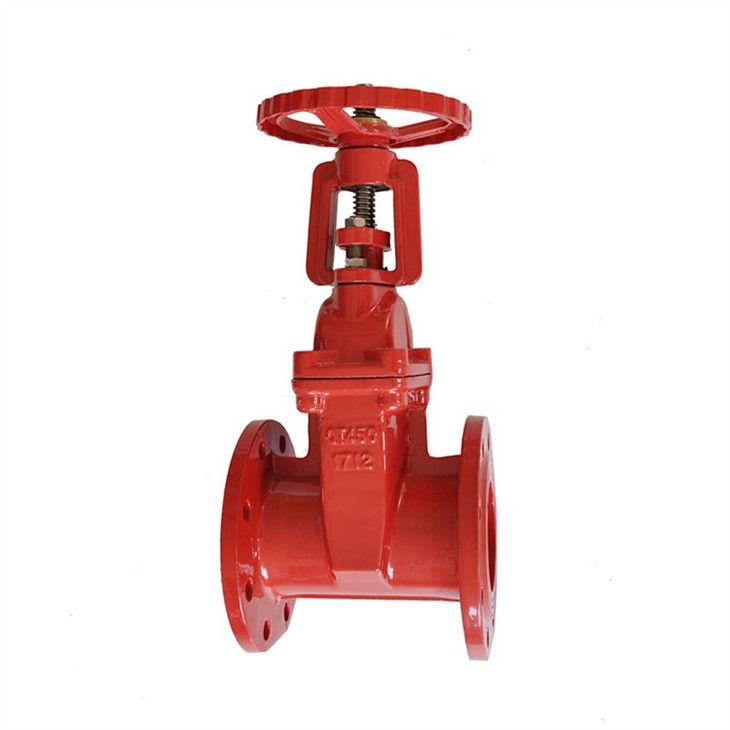

The upfront cost of rising stem gate valves can be similar to that of flat gate valves, depending on the size and the materials. But rising stem gate valves often require more maintenance. The stem is exposed, which means it's more susceptible to corrosion and damage from the environment. You'll need to regularly lubricate the stem to ensure smooth operation. This additional maintenance cost can make rising stem gate valves more expensive in the long run compared to flat gate valves.
Flat gate valves, with their compact design, have fewer exposed parts that are prone to damage. They're also less likely to have issues with stem binding, which can be a common problem with rising stem gate valves. So, if you're looking for a valve that requires less maintenance and has a lower long - term cost, flat gate valves might be the way to go.
Now, let's take a look at the Resilient Seated Gate Valve. Resilient seated gate valves are known for their good sealing performance, thanks to the rubber seat.
In terms of cost, resilient seated gate valves are often priced lower than flat gate valves for smaller sizes. The rubber seat reduces the manufacturing cost, as it's easier to produce compared to the precision - engineered components of a flat gate valve. However, the rubber seat has its limitations. It can degrade over time, especially when exposed to high - temperature or aggressive chemicals.
Flat gate valves can be made from a variety of materials, including high - grade stainless steel and alloys, which can withstand harsh conditions. This makes them a better choice for applications where durability and long - term performance are crucial. If you're in an industry where the fluid being handled is corrosive or the operating conditions are extreme, the higher upfront cost of a flat gate valve can be justified by its long - term reliability.
When it comes to installation costs, flat gate valves are relatively easy to install. Their compact design means they take up less space, which can save on installation time and labor costs. In contrast, some other valve types, like rising stem gate valves, may require more space and more complex installation procedures, which can drive up the overall cost of the project.
Let's also consider the cost of operation. Flat gate valves offer low - flow resistance when fully open, which means less energy is required to pump the fluid through the system. This can result in significant savings on energy costs over the life of the valve. Other valve types may have higher flow resistance, leading to increased energy consumption and higher operating costs.
In summary, while flat gate valves may have a higher upfront cost compared to some other valve types, their long - term benefits in terms of durability, low maintenance, energy efficiency, and ease of installation can make them a more cost - effective choice in the long run.
If you're in the market for valves and want to discuss which option is best for your specific application, I'd love to have a chat. Whether it's about the cost, performance, or any other aspect, I'm here to help you make the right decision. Reach out to me, and we can start a conversation about how a flat gate valve can meet your needs and fit your budget.
References:
- Valve Handbook, various editions
- Industry reports on valve manufacturing and performance
- Technical specifications from valve manufacturers