Hey there! As a supplier of ANSI Gate Valves, I've been in the valve game for quite a while. One question that often pops up is about the considerations for valve grouping when using ANSI Gate Valves. So, let's dive right into it.
Flow Requirements
First off, you gotta think about the flow requirements of your system. Different applications need different flow rates. For instance, in a large - scale industrial pipeline, you might need high - flow valves grouped together to ensure smooth and efficient fluid transfer. On the other hand, in a small - scale plumbing system, a lower - flow valve grouping would be more appropriate.
If you're dealing with a system that has varying flow demands at different times, you can group valves in a way that allows for easy adjustment. You could have a primary group of valves handling the base flow and a secondary group that can be opened or closed as needed to meet peak demands. This kind of setup can save a lot of energy and resources in the long run.
Pressure Ratings
Pressure is another crucial factor. ANSI Gate Valves come with different pressure ratings, and you need to make sure that the valves in each group can handle the pressure within that part of the system. If you group valves with different pressure ratings together without proper consideration, it can lead to valve failures, leaks, and even safety hazards.
Let's say you have a high - pressure section of a pipeline. You should group valves with high - pressure ratings in that area. And for the lower - pressure parts, use valves with appropriate lower ratings. This not only ensures the safety of the system but also extends the lifespan of the valves.
Valve Types
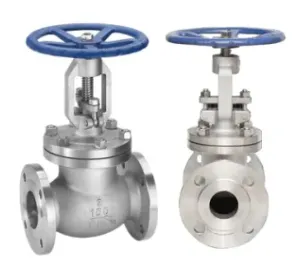
There are various types of ANSI Gate Valves, such as Bellows Gate Valve and Non - rising Stem Gate Valve. Each type has its own advantages and is suitable for different applications.
Bellows Gate Valves are great for applications where you need to prevent leakage, especially in systems dealing with hazardous or expensive fluids. They have a bellows seal that provides an extra layer of protection. So, if you have a section of the system where leakage prevention is a top priority, you might want to group Bellows Gate Valves together.
Non - rising Stem Gate Valves, on the other hand, are more space - efficient. They are a good choice for applications where vertical space is limited. If you're working in a compact environment, grouping Non - rising Stem Gate Valves can be a smart move.
Maintenance and Accessibility
Maintenance is something that can't be ignored. You need to group valves in a way that makes them easy to access for maintenance and repairs. If valves are grouped too closely together or in hard - to - reach places, it can be a real pain to perform routine checks or fix any issues that arise.
For example, you should leave enough space between valve groups so that technicians can move around freely. Also, consider the location of control mechanisms. Group valves in a way that their control handles or actuators are easily accessible. This can reduce the time and cost of maintenance.


Compatibility with Other Components
Valves don't work in isolation. They need to be compatible with other components in the system, such as pipes, pumps, and filters. When grouping valves, make sure that the materials and dimensions of the valves are compatible with the adjacent components.
For instance, if you're using a certain type of pipe material, the valves in the group should have compatible flanges or connections. Incompatible components can lead to leaks, flow restrictions, and other operational problems.
Future Expansion
It's always a good idea to think about future expansion when grouping valves. Your system might grow or change in the future, and you want to be able to add or modify valve groups easily.
You could design the valve grouping in a modular way. This means that you can add new valve groups or remove existing ones without major disruptions to the system. For example, you can use standardized valve sizes and connections so that new valves can be easily integrated into the existing groups.
Cost Considerations
Last but not least, cost is a significant factor. You need to balance the performance requirements with the cost of the valves and their installation. Grouping valves in an efficient way can help you save money.
For example, if you can group valves with similar specifications together, you might be able to get a better deal from the supplier. Also, consider the long - term cost of maintenance and operation. A well - grouped valve system can reduce maintenance costs and improve overall efficiency, which can lead to significant savings over time.
One example of a cost - effective valve is the 16bar Dustile Iron Nrs Resilient Seat Wedge Gate Valve. It offers good performance at a reasonable price, making it a popular choice for many applications.
In conclusion, when it comes to valve grouping for ANSI Gate Valves, there are many factors to consider. From flow requirements and pressure ratings to valve types and cost, each aspect plays a crucial role in creating an efficient and reliable valve system.
If you're in the market for ANSI Gate Valves and need help with valve grouping or have any other questions, feel free to reach out. We're here to assist you in finding the best solutions for your specific needs.
References
- Industry standards for ANSI Gate Valves
- Technical manuals of ANSI Gate Valve manufacturers
- Case studies of successful valve grouping in industrial and commercial systems