Hey there! As a gate valve supplier, I've seen firsthand how crucial it is to keep your gate valves in top - notch condition. One of the key maintenance tasks is adjusting the packing of a gate valve. In this blog, I'm gonna walk you through the process step by step.
First off, let's understand why packing adjustment is so important. The packing in a gate valve serves as a seal to prevent fluid leakage around the valve stem. Over time, due to factors like normal wear and tear, temperature changes, and pressure fluctuations, the packing can loosen up. When that happens, you might notice small leaks, which can lead to bigger problems down the line if not addressed promptly.
Tools You'll Need
Before you start adjusting the packing, gather the necessary tools. You'll need a set of wrenches – usually an adjustable wrench or a combination of open - end wrenches depending on the valve size. A packing gland follower puller can also come in handy, especially if the packing gland is stuck. And don't forget a good pair of safety gloves and safety glasses to protect yourself from any potential hazards.
Step 1: Shut Down the System
Safety first! Before you do anything, make sure to shut down the system that the gate valve is part of. This means closing the upstream and downstream isolation valves to stop the flow of fluid. Depressurize the valve by opening any bleed valves or vents. This will prevent any sudden releases of pressure or fluid when you start working on the valve.
Step 2: Locate the Packing Gland
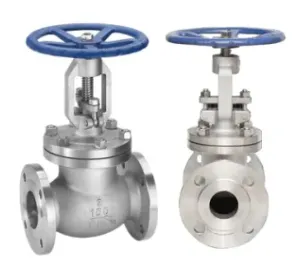
The packing gland is the part of the valve that holds the packing in place. It's usually located on top of the valve body, around the valve stem. It looks like a ring or a collar that can be tightened or loosened.


Step 3: Check the Packing Condition
Take a close look at the packing. If it's visibly damaged, worn out, or has signs of leakage, you might need to replace it. But if it just seems loose, you can try adjusting it first. Look for any signs of compression set or deformation in the packing material. If the packing has been compressed too much, it might not be sealing properly.
Step 4: Loosen the Packing Gland Bolts
Using your wrench, carefully loosen the bolts on the packing gland. Don't remove them completely; just loosen them enough to allow some movement. You might need to use a little force, especially if the bolts are rusted or corroded. Be gentle, though, so you don't damage the bolts or the valve.
Step 5: Adjust the Packing
Once the bolts are loose, you can start adjusting the packing. If the packing is too loose, you can try tightening the packing gland slightly. Turn the gland bolts a quarter - turn at a time in a criss - cross pattern. This will ensure even compression of the packing. Keep an eye on the valve stem to make sure it can still move freely. If it becomes too tight and restricts the movement of the stem, you've tightened it too much.
Step 6: Check for Leaks
After making the adjustment, slowly open the upstream isolation valve to allow a small amount of fluid to flow through the valve. Check for any signs of leakage around the packing. If you still see leaks, you might need to make further adjustments. Keep repeating steps 4 and 5 until the leakage stops.
Step 7: Tighten the Packing Gland Bolts
Once you're satisfied that the leakage has stopped and the valve stem can move freely, tighten the packing gland bolts fully. Make sure to tighten them evenly to avoid any uneven stress on the packing.
Step 8: Restart the System
After completing the packing adjustment and ensuring there are no leaks, you can restart the system. Open the downstream isolation valve and gradually increase the flow of fluid through the valve. Monitor the valve closely for a while to make sure everything is working properly.
Different Types of Gate Valves and Packing Adjustment
We offer a variety of gate valves, each with its own unique characteristics. For example, the F4 Gate Valve F4 is known for its high - performance features. When adjusting the packing of this valve, you need to be extra careful because of its precision - engineered components. The same goes for the Steel Round Gate, which is made of durable steel but requires a specific approach to packing adjustment.
The Rubber Seat Gate Valve has a rubber seat that can affect the packing adjustment process. The rubber seat provides a good seal, but it can also be sensitive to over - tightening of the packing. So, when working on this type of valve, make sure not to over - compress the packing, as it can damage the rubber seat.
Troubleshooting
Sometimes, even after following all the steps, you might still encounter problems. If the valve stem is still hard to turn after adjusting the packing, it could be due to a misaligned packing gland or a problem with the valve stem itself. You might need to disassemble the valve further to check for any internal damage.
If the leakage persists, it could be a sign that the packing needs to be replaced. You can try using a different type of packing material that is more suitable for your application.
Conclusion
Adjusting the packing of a gate valve is an important maintenance task that can help prevent leaks and keep your valve working properly. By following these steps and being careful, you can ensure that your gate valve operates efficiently.
If you're in the market for high - quality gate valves or need more advice on valve maintenance, don't hesitate to reach out. We're here to help you with all your gate valve needs. Whether you're a small - scale operation or a large industrial facility, we've got the right valve for you. Contact us for more information and let's start a great business relationship!
References
- Valve Handbook, Various Editions
- Manufacturer's Manuals for Gate Valves