Hey there! As a supplier of flat gate valves, I often get asked about the pressure rating of these valves. So, I thought I'd take a moment to break it down for you.
First off, let's talk about what a flat gate valve is. It's a type of valve that uses a flat gate to control the flow of fluid through a pipeline. The gate moves up and down inside the valve body to either open or close the flow path. Flat gate valves are commonly used in a variety of industries, including oil and gas, water treatment, and power generation.
Now, onto the pressure rating. The pressure rating of a flat gate valve refers to the maximum pressure that the valve can safely handle without failing. It's an important specification to consider when selecting a valve for your application, as exceeding the pressure rating can lead to leaks, valve failure, and potentially dangerous situations.
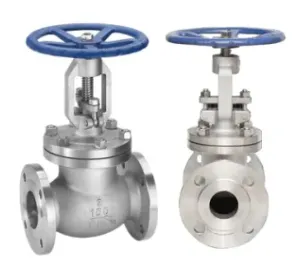
There are several factors that can affect the pressure rating of a flat gate valve. One of the main factors is the material used to construct the valve. Different materials have different strength and durability properties, which can impact their ability to withstand high pressures. For example, valves made from cast iron typically have a lower pressure rating compared to those made from stainless steel or other high-strength alloys.
Another factor is the design of the valve. The size and shape of the valve body, as well as the thickness of the walls, can all influence the pressure rating. Valves with thicker walls and larger dimensions are generally able to handle higher pressures.
The type of sealing mechanism used in the valve also plays a role. A well-designed sealing system can help prevent leaks and maintain the integrity of the valve under high pressures. Some common sealing materials include rubber, graphite, and metal.
So, how do you determine the pressure rating of a flat gate valve? The pressure rating is usually specified by the manufacturer and can be found in the valve's technical documentation. It's typically expressed in units of pressure, such as pounds per square inch (psi) or bars.
When selecting a flat gate valve for your application, it's important to choose a valve with a pressure rating that is appropriate for the operating conditions. You should consider the maximum pressure that the valve will be exposed to, as well as any potential pressure spikes or fluctuations that may occur. It's also a good idea to consult with a valve expert or engineer to ensure that you're making the right choice.
At our company, we offer a wide range of flat gate valves with different pressure ratings to meet the needs of various applications. For example, we have the 16bar Dustile Iron Nrs Resilient Seat Wedge Gate Valve, which is designed to handle pressures up to 16 bars. This valve is made from dustile iron and features a resilient seat for a tight seal.

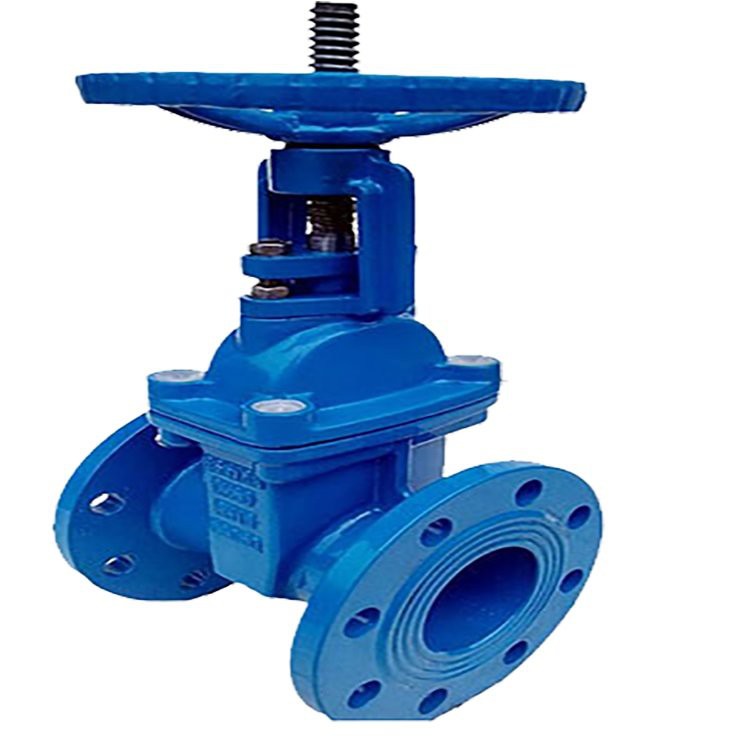
We also have the Cast Iron F4 Resilient Seated Gate Valve, which has a pressure rating suitable for many general-purpose applications. And our Rising Stem Gate Valve is available in different pressure ratings and is known for its reliable performance.
In addition to pressure rating, there are other factors to consider when choosing a flat gate valve. These include the valve's size, flow capacity, temperature range, and end connections. It's important to take all of these factors into account to ensure that you're getting a valve that will work well in your specific application.
If you're in the market for a flat gate valve and have any questions about pressure ratings or other specifications, don't hesitate to reach out to us. Our team of experts is here to help you find the right valve for your needs. We can provide you with detailed information, technical support, and even offer custom solutions if required.
In conclusion, understanding the pressure rating of a flat gate valve is crucial for ensuring the safe and efficient operation of your pipeline system. By considering the factors that affect pressure rating and choosing a valve with an appropriate rating, you can avoid costly failures and downtime. So, if you're looking for a high-quality flat gate valve, give us a call or send us an email. We're ready to assist you with your valve needs.
References:
- Valve Handbook: A Guide to Valve Technology and Applications
- Industrial Valve Standards and Specifications
Remember, when it comes to flat gate valves, we've got you covered!