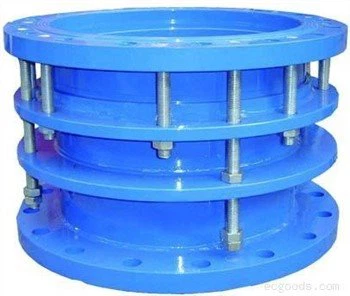
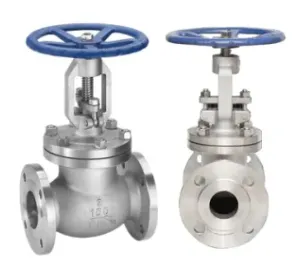
In the dynamic world of plastic manufacturing, the selection of appropriate equipment and components is crucial for ensuring efficient and high - quality production. One such component that often comes under consideration is the bronze butterfly valve. As a supplier of bronze butterfly valves, I am frequently asked whether these valves can be used in plastic manufacturing. In this blog post, I will delve into the properties of bronze butterfly valves, the requirements of plastic manufacturing processes, and analyze whether they are a suitable fit.
Properties of Bronze Butterfly Valves
Bronze is an alloy primarily composed of copper and tin, sometimes with the addition of other elements such as zinc, lead, or phosphorus. This combination gives bronze several advantageous properties for valve applications:
-
Corrosion Resistance: Bronze has a natural resistance to corrosion, which is essential in environments where the valve may come into contact with various chemicals or moisture. In plastic manufacturing, there are often cleaning agents, lubricants, and sometimes even corrosive by - products that could potentially damage the valve. The corrosion - resistant nature of bronze helps to extend the lifespan of the valve and maintain its functionality over time.
-
Strength and Durability: Bronze is a relatively strong material, capable of withstanding moderate to high pressures. In plastic manufacturing processes, such as injection molding or extrusion, there can be significant pressure differentials within the system. A bronze butterfly valve can handle these pressures without deforming or failing, ensuring a reliable flow control mechanism.
-
Machinability: Bronze is easy to machine, which allows for the precise manufacturing of butterfly valves. This precision is vital for achieving accurate flow control, as a well - machined valve can provide a tight seal when closed and a smooth flow when open.
-
Low Friction: The smooth surface of bronze reduces friction, which is beneficial for the operation of the butterfly valve. In plastic manufacturing, where energy efficiency is a concern, a valve with low friction requires less force to operate, resulting in lower energy consumption.
Requirements of Plastic Manufacturing Processes
Plastic manufacturing encompasses a wide range of processes, each with its own unique requirements:
- Injection Molding: This process involves injecting molten plastic into a mold cavity under high pressure. The valve in an injection molding system needs to be able to handle high - pressure flows and provide accurate control of the plastic material. It also needs to be resistant to the high temperatures of the molten plastic, which can range from 150°C to 300°C depending on the type of plastic.
- Extrusion: In extrusion, plastic material is forced through a die to create continuous shapes such as pipes, sheets, or profiles. The valve in an extrusion system must be able to control the flow rate of the plastic accurately to ensure a consistent product quality. It also needs to be able to handle the shear forces generated during the extrusion process.
- Blow Molding: Blow molding is used to create hollow plastic products such as bottles and containers. The valve in a blow - molding system needs to be able to control the flow of air and plastic accurately to achieve the desired shape and thickness of the product.
Can a Bronze Butterfly Valve be Used in Plastic Manufacturing?
Based on the properties of bronze butterfly valves and the requirements of plastic manufacturing processes, the answer is yes, a bronze butterfly valve can be used in plastic manufacturing, but with some considerations:
- Temperature Resistance: While bronze has a relatively high melting point, it may not be suitable for applications where the plastic is processed at extremely high temperatures. For example, some high - performance plastics such as PEEK (polyether ether ketone) are processed at temperatures above 350°C, which may be close to or exceed the working temperature limit of bronze. In such cases, alternative materials with higher temperature resistance may be required.
- Chemical Compatibility: Although bronze is generally corrosion - resistant, it may not be compatible with all chemicals used in plastic manufacturing. Some plastic additives, solvents, or cleaning agents may react with bronze, causing corrosion or degradation of the valve. It is essential to ensure that the bronze butterfly valve is chemically compatible with the specific chemicals used in the manufacturing process.
- Flow Control Requirements: The size and design of the bronze butterfly valve need to be carefully selected to meet the flow control requirements of the plastic manufacturing process. For example, in a high - volume extrusion process, a larger - diameter valve may be required to handle the high flow rate of the plastic material. Additionally, the valve's flow characteristics, such as its Cv (flow coefficient), need to be matched to the system's requirements for accurate flow control.
Our Product Offerings
As a supplier of bronze butterfly valves, we offer a wide range of products to meet the diverse needs of plastic manufacturing. Our OEM ODM Double Flanged Butterfly Valve is designed for applications where a tight seal and high - pressure resistance are required. It can be customized according to the specific requirements of the plastic manufacturing process, including flange size, material, and coating.
Our Butterfly Valve Of Extension Rod is suitable for applications where the valve needs to be operated from a distance or in hard - to - reach locations. This valve is often used in large - scale plastic manufacturing plants where remote control of the flow is necessary.
The Flange Ventilation Butterfly Valve is ideal for ventilation systems in plastic manufacturing facilities. It helps to control the flow of air and remove any fumes or vapors generated during the manufacturing process, ensuring a safe and healthy working environment.
Conclusion
In conclusion, a bronze butterfly valve can be a viable option for plastic manufacturing, thanks to its corrosion resistance, strength, durability, and low friction. However, careful consideration must be given to factors such as temperature resistance, chemical compatibility, and flow control requirements. As a supplier, we are committed to providing high - quality bronze butterfly valves that are tailored to the specific needs of the plastic manufacturing industry.


If you are involved in plastic manufacturing and are considering using a bronze butterfly valve, we invite you to contact us for further information and to discuss your specific requirements. Our team of experts is ready to assist you in selecting the right valve for your application and to provide you with a competitive quote.
References
- ASM Handbook Volume 2: Properties and Selection: Nonferrous Alloys and Special - Purpose Materials.
- Perry's Chemical Engineers' Handbook, Eighth Edition.
- Valve Handbook: Selection, Installation, and Troubleshooting of Industrial Valves.