Yo! As a supplier of rubber elbows, I've been dealing with these nifty pieces of equipment day in and day out. So, I thought I'd share some insights on the physical properties of rubber elbows.
Flexibility
One of the most obvious physical properties of rubber elbows is their flexibility. Unlike rigid metal elbows, rubber elbows can bend and flex without breaking. This flexibility is a game - changer in many applications. For instance, in piping systems where there are vibrations or movements, rubber elbows can absorb these shocks. Let's say you've got a pump that causes some vibrations in the pipes. A rubber elbow can flex with these vibrations, reducing the stress on the entire piping system. This not only extends the lifespan of the pipes but also helps in preventing leaks. It's like having a shock - absorber for your pipes!


Chemical Resistance
Rubber elbows come in different types of rubber compounds, and many of them offer excellent chemical resistance. Depending on the specific rubber used, they can withstand exposure to various chemicals such as acids, alkalis, and oils. For industries that deal with chemical transportation or processing, this is crucial. If you're in a chemical plant where you need to transfer corrosive substances through pipes, a rubber elbow made from a chemically resistant rubber can ensure that the elbow doesn't degrade over time. This property also makes rubber elbows suitable for use in wastewater treatment plants, where they may come into contact with a variety of chemicals and contaminants.
Temperature Resistance
Another important physical property is temperature resistance. Rubber elbows can handle a wide range of temperatures, depending on the type of rubber. Some rubber compounds can withstand extremely high temperatures, making them suitable for applications in industries like power generation, where hot fluids or gases are transported through pipes. On the other hand, there are also rubber elbows that can function well in cold temperatures. For example, in refrigeration systems or in cold storage facilities, rubber elbows need to maintain their flexibility and integrity even in sub - zero temperatures. This wide temperature tolerance gives rubber elbows an edge over other types of elbows in many industrial settings.
Abrasion Resistance
In many industrial processes, pipes and elbows are subject to abrasion. For example, when transporting slurries or granular materials, the particles can rub against the inner surface of the elbow, causing wear and tear. Rubber elbows are known for their good abrasion resistance. The rubber material can withstand the constant rubbing of these particles without quickly wearing out. This means that rubber elbows can last longer in abrasive environments compared to other materials. It saves money in the long run as you don't have to replace the elbows as frequently.
Sealing Ability
Rubber elbows have excellent sealing properties. When installed in a piping system, they can form a tight seal, preventing leaks. This is especially important in applications where the fluid or gas being transported is hazardous or where a leak could cause significant damage. The rubber material can conform to the shape of the pipes and fittings, creating a reliable seal. Whether it's a small - scale plumbing system in a building or a large - scale industrial pipeline, the sealing ability of rubber elbows ensures that the system operates efficiently and safely.
Durability
Overall, rubber elbows are quite durable. They can withstand the rigors of different operating conditions, including pressure, vibrations, and environmental factors. Their durability is enhanced by their ability to resist chemicals, abrasion, and temperature variations. This means that once you install a rubber elbow in your system, you can expect it to serve you well for a long time. It's a reliable component that you can count on in your piping network.
Applications of Rubber Elbows Based on Physical Properties
Given these physical properties, rubber elbows have a wide range of applications. In the oil and gas industry, their flexibility, chemical resistance, and temperature resistance make them ideal for use in pipelines for transporting oil, gas, and various chemicals. They can also be found in power plants, where they are used to connect different sections of pipes that carry hot water, steam, or other fluids.
In the automotive industry, rubber elbows are used in the exhaust systems. Their flexibility helps in absorbing vibrations from the engine, and their temperature resistance allows them to handle the high - temperature exhaust gases. In the construction industry, rubber elbows are used in plumbing systems for both residential and commercial buildings. Their sealing ability ensures that there are no water leaks, and their durability means that they don't need to be replaced frequently.
Comparison with Other Elbow Materials
When compared to metal elbows, rubber elbows have some distinct advantages. Metal elbows are rigid and may not be able to handle vibrations or movements as well as rubber elbows. They are also more prone to corrosion, especially in environments where they come into contact with chemicals or moisture. In terms of cost, rubber elbows can be more cost - effective, especially in applications where frequent replacement is required due to wear and tear.
Plastic elbows, on the other hand, may not have the same level of flexibility, temperature resistance, or abrasion resistance as rubber elbows. Plastic can become brittle over time, especially in high - temperature or cold environments, while rubber maintains its properties.
Innovation in Rubber Elbow Technology
The rubber elbow industry is constantly evolving. Manufacturers are always looking for ways to improve the physical properties of rubber elbows. For example, new rubber compounds are being developed that offer even better chemical resistance, higher temperature tolerance, and enhanced abrasion resistance. There are also advancements in manufacturing processes that allow for more precise shaping and better quality control of rubber elbows.
Related Products
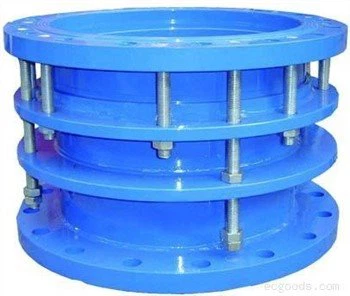
If you're interested in other types of pipe fittings, you might want to check out Double Flange Expansion Joint and Flange Pipe Expansion Joint. These products also play important roles in piping systems, offering flexibility and the ability to absorb movements and vibrations.
Conclusion
In conclusion, the physical properties of rubber elbows, such as flexibility, chemical resistance, temperature resistance, abrasion resistance, sealing ability, and durability, make them a versatile and valuable component in many industries. Whether you're in the oil and gas, power generation, automotive, or construction industry, rubber elbows can meet your specific needs.
If you're in the market for rubber elbows or have any questions about their physical properties and applications, feel free to reach out. I'm here to help you find the right rubber elbows for your project. Let's start a conversation and see how we can work together to meet your piping needs.
References
- "Handbook of Rubber Elastomers" - A comprehensive guide on rubber materials and their properties.
- Industry reports on the use of rubber elbows in different sectors.