Can a Cast Iron Y Strainer be used in a horizontal pipeline?
As a supplier of cast iron Y strainers, I often get asked whether these strainers can be used in horizontal pipelines. The short answer is yes, cast iron Y strainers can indeed be used in horizontal pipelines, and they offer several advantages in such applications. In this blog post, I'll delve into the details of using cast iron Y strainers in horizontal pipelines, including their functionality, benefits, installation considerations, and more.
Functionality of Cast Iron Y Strainers in Horizontal Pipelines
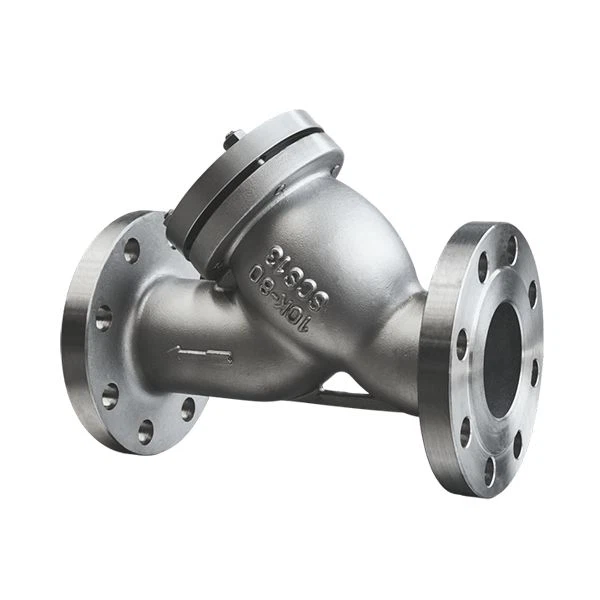
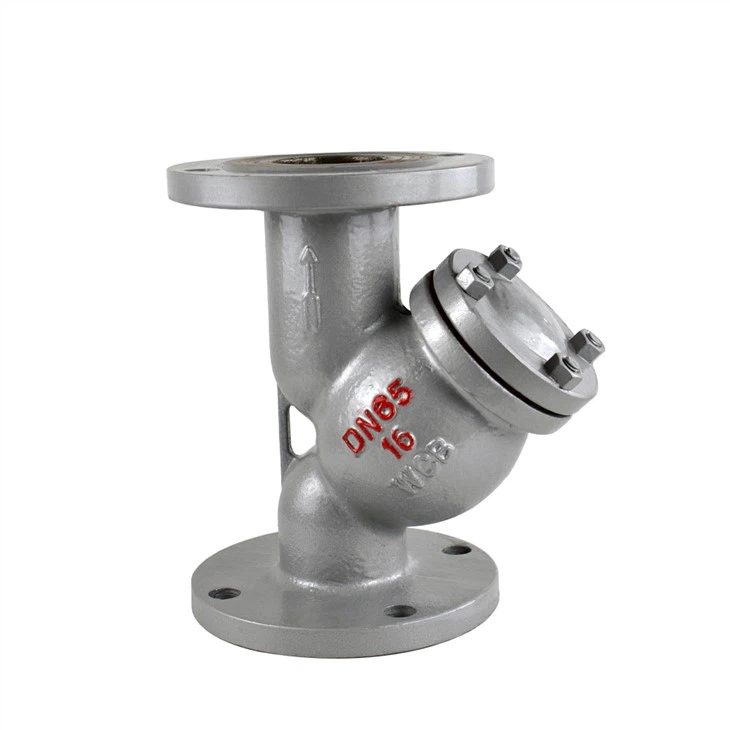
Cast iron Y strainers are essential components in fluid handling systems. Their primary function is to remove solid particles and debris from the flowing fluid, preventing them from entering downstream equipment such as pumps, valves, and meters. The Y-shaped design of the strainer provides a large surface area for the strainer screen, allowing for efficient filtration while minimizing pressure drop.
In a horizontal pipeline, the cast iron Y strainer works in a similar way as it does in a vertical pipeline. The fluid enters the strainer through the inlet, flows through the strainer screen, and exits through the outlet. As the fluid passes through the screen, solid particles are trapped on the screen surface. Over time, the accumulated debris can be removed by opening the blow-off valve or by disassembling the strainer.
Benefits of Using Cast Iron Y Strainers in Horizontal Pipelines
There are several benefits to using cast iron Y strainers in horizontal pipelines:
- Efficient Filtration: The Y-shaped design of the strainer provides a large surface area for the strainer screen, allowing for efficient filtration of solid particles. This helps to protect downstream equipment from damage and ensures the smooth operation of the fluid handling system.
- Low Pressure Drop: Cast iron Y strainers are designed to minimize pressure drop across the strainer. This is important in horizontal pipelines, where maintaining a consistent flow rate is crucial. By reducing pressure drop, the strainer helps to improve the overall efficiency of the system.
- Durability: Cast iron is a strong and durable material that can withstand high pressures and temperatures. This makes cast iron Y strainers suitable for use in a wide range of industrial applications, including horizontal pipelines.
- Easy Maintenance: Cast iron Y strainers are relatively easy to maintain. The accumulated debris can be removed by opening the blow-off valve or by disassembling the strainer. This helps to reduce downtime and maintenance costs.
Installation Considerations for Cast Iron Y Strainers in Horizontal Pipelines
When installing a cast iron Y strainer in a horizontal pipeline, there are several important considerations to keep in mind:
- Orientation: The strainer should be installed with the blow-off valve at the bottom. This allows for easy removal of the accumulated debris.
- Accessibility: The strainer should be installed in a location that is easily accessible for maintenance and inspection. This includes providing enough space around the strainer for disassembly and cleaning.
- Support: The strainer should be properly supported to prevent excessive vibration and movement. This can be achieved by using appropriate pipe supports and brackets.
- Fluid Flow Direction: The strainer should be installed in the correct fluid flow direction. This is usually indicated by an arrow on the strainer body.
Types of Cast Iron Y Strainers Suitable for Horizontal Pipelines
There are several types of cast iron Y strainers that are suitable for use in horizontal pipelines. Some of the common types include:
- Ductile Cast Iron Flanged Y Strainer: This type of strainer is made of ductile cast iron and features flanged connections. It is suitable for use in high-pressure applications and is commonly used in industrial pipelines.
- Ductile Iron Y Strainer: Similar to the ductile cast iron flanged Y strainer, this strainer is also made of ductile iron. It is available in different connection types, including threaded and socket weld connections, and is suitable for a wide range of applications.
- PN10 Y-type Filter: This strainer is designed to meet the PN10 pressure rating and is commonly used in water treatment, HVAC, and other general industrial applications.
Maintenance and Troubleshooting
Proper maintenance is essential to ensure the long-term performance of cast iron Y strainers in horizontal pipelines. Here are some maintenance tips:
- Regular Inspection: Inspect the strainer regularly for signs of damage, wear, or clogging. Check the strainer screen for any tears or holes, and clean or replace it if necessary.
- Debris Removal: Remove the accumulated debris from the strainer regularly. This can be done by opening the blow-off valve or by disassembling the strainer.
- Lubrication: Lubricate the moving parts of the strainer, such as the blow-off valve, to ensure smooth operation.
If you encounter any problems with the cast iron Y strainer in your horizontal pipeline, here are some common troubleshooting steps:
- Low Flow Rate: If the flow rate through the strainer is low, check for clogging in the strainer screen or the pipeline. Clean or replace the strainer screen if necessary.
- High Pressure Drop: If the pressure drop across the strainer is high, it may indicate a clogged strainer screen or a problem with the pipeline. Check the strainer screen and clean or replace it if needed.
- Leakage: If you notice any leakage around the strainer, check the connections and gaskets for tightness. Replace any damaged gaskets or tighten the connections as needed.
Conclusion
In conclusion, cast iron Y strainers can be effectively used in horizontal pipelines. They offer efficient filtration, low pressure drop, durability, and easy maintenance. When installing a cast iron Y strainer in a horizontal pipeline, it is important to consider the orientation, accessibility, support, and fluid flow direction. By following the proper installation and maintenance procedures, you can ensure the long-term performance of the strainer and the smooth operation of your fluid handling system.
If you are interested in purchasing cast iron Y strainers for your horizontal pipeline applications, I encourage you to contact us. Our team of experts can provide you with detailed information about our products and help you select the right strainer for your specific needs. We look forward to discussing your requirements and working with you to find the best filtration solution for your project.
References
- ASME B16.34 - Valves - Flanged, Threaded, and Welding End
- ASTM A536 - Standard Specification for Ductile Iron Castings