Are rubber elbows resistant to acid? This is a question that many customers in the piping system industry often ask. As a professional rubber elbow supplier, I'd like to delve into this topic to provide you with comprehensive insights.
Understanding Rubber Elbows
Rubber elbows are essential components in various piping systems. They are designed to provide flexibility and absorb vibrations, movements, and misalignments in the pipelines. These elbows are made from different types of rubber materials, each with its own unique properties and characteristics. The most common types of rubber used in manufacturing rubber elbows include natural rubber (NR), neoprene (CR), nitrile rubber (NBR), ethylene - propylene - diene monomer (EPDM), and fluorocarbon rubber (FKM).
Acid Resistance of Different Rubber Types
Natural Rubber (NR)
Natural rubber is known for its high elasticity, good tear strength, and excellent abrasion resistance. However, when it comes to acid resistance, natural rubber has its limitations. It is not recommended for use in environments where it will come into contact with strong acids. Natural rubber can be attacked by oxidizing acids such as sulfuric acid and nitric acid. These acids can cause the rubber to swell, degrade, and lose its mechanical properties over time. In mild acid environments with low concentrations and non - oxidizing acids like acetic acid, natural rubber may have some limited resistance, but long - term exposure is still not advisable.
Neoprene (CR)
Neoprene is a synthetic rubber that offers good resistance to a wide range of chemicals, including some acids. It has better resistance to ozone, weathering, and flame compared to natural rubber. Neoprene can withstand weak acids such as hydrochloric acid at low concentrations. However, it is not suitable for use with strong oxidizing acids. In industrial applications where the acid concentration is relatively low and the temperature is moderate, neoprene rubber elbows can be a viable option.
Nitrile Rubber (NBR)
Nitrile rubber is highly resistant to oils, fuels, and hydrocarbons. In terms of acid resistance, it has some tolerance to weak acids. NBR can resist certain organic acids and non - oxidizing mineral acids to a certain extent. But similar to other rubbers, it is vulnerable to strong oxidizing acids. For example, sulfuric acid and nitric acid can cause significant damage to nitrile rubber over time. The acid resistance of NBR also depends on the specific formulation and the temperature of the acid environment.
Ethylene - Propylene - Diene Monomer (EPDM)
EPDM is one of the most acid - resistant rubber materials. It has excellent resistance to a wide variety of acids, including sulfuric acid, hydrochloric acid, and phosphoric acid at moderate concentrations and temperatures. EPDM is also resistant to weathering, ozone, and aging. This makes it a popular choice for applications in chemical processing plants, water treatment facilities, and other industries where acid resistance is crucial. Rubber elbows made from EPDM can be used in systems that handle acidic wastewater, acid - based cleaning solutions, and other acidic substances.
Fluorocarbon Rubber (FKM)
Fluorocarbon rubber, also known as Viton, is renowned for its exceptional chemical resistance. It can withstand a wide range of strong acids, including concentrated sulfuric acid and nitric acid. FKM also has excellent resistance to high temperatures, making it suitable for applications in harsh chemical environments where both high acid concentrations and elevated temperatures are present. However, FKM is relatively expensive compared to other rubber materials, which may limit its use in some cost - sensitive applications.
Factors Affecting Acid Resistance
The acid resistance of rubber elbows is not only determined by the type of rubber but also by several other factors:
- Acid Concentration: Higher acid concentrations generally pose a greater threat to rubber materials. Even acid - resistant rubbers like EPDM and FKM may experience degradation if the acid concentration is extremely high.
- Temperature: Elevated temperatures can accelerate the chemical reactions between the rubber and the acid. As the temperature increases, the rate of acid attack on the rubber may increase significantly. For example, a rubber elbow that can withstand a certain acid concentration at room temperature may fail at a higher temperature.
- Exposure Time: Prolonged exposure to acids can gradually wear down the rubber. Even if the initial reaction between the rubber and the acid is slow, long - term exposure can lead to cumulative damage and loss of mechanical properties.
Applications in Acid - Handling Systems
In industries where acid handling is common, the choice of rubber elbows is crucial. For example, in chemical manufacturing plants, rubber elbows are used to connect different sections of the piping system that carry various acids. In water treatment plants, acidic chemicals are often used for pH adjustment and disinfection, and rubber elbows with appropriate acid resistance are needed to ensure the smooth operation of the system.
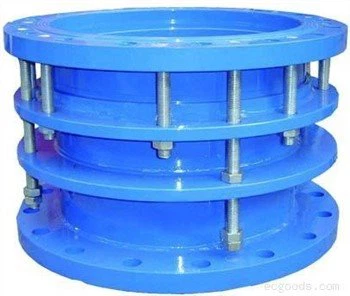
If you are looking for other types of pipe - fitting products, you may be interested in our Double Flange Expansion Joint and Flange Pipe Expansion Joint. These products also play important roles in piping systems by providing flexibility and compensating for thermal expansion and contraction.


Choosing the Right Rubber Elbow for Acidic Environments
When selecting a rubber elbow for an acid - containing environment, it is essential to consider the specific requirements of the application. First, accurately determine the type, concentration, and temperature of the acid that the rubber elbow will be exposed to. Then, based on this information, choose the appropriate rubber material. If you are unsure, it is recommended to consult with a professional engineer or our technical team. We have extensive experience in providing customized solutions for different industrial applications and can help you select the most suitable rubber elbow.
Conclusion
In conclusion, the acid resistance of rubber elbows depends on the type of rubber material used. While some rubbers like natural rubber have limited acid resistance, others such as EPDM and FKM offer excellent performance in acidic environments. When designing and installing piping systems that handle acids, careful consideration should be given to the choice of rubber elbows to ensure the long - term reliability and safety of the system.
If you have any questions about our rubber elbows or need further information on acid - resistant piping solutions, please feel free to contact us. We are committed to providing high - quality products and professional services to meet your specific needs. Whether you are involved in chemical processing, water treatment, or other industries, we can offer the right rubber elbow products for your applications. Let's start a conversation about your project requirements and find the best solutions together.
References
- "Handbook of Elastomers" by Brian M. Walker
- "Rubber Technology" by Maurice Morton