As a trusted supplier of ANSI Gate Valves, I understand the critical role these valves play in various industrial applications. One of the key considerations in using ANSI Gate Valves is achieving a slow - closing operation. Slow - closing is essential to prevent issues such as water hammer, which can cause significant damage to the pipeline system, including pipe rupture, valve failure, and noise pollution. In this blog, I will share some effective ways to achieve slow - closing of ANSI Gate Valves.
Understanding the Basics of ANSI Gate Valves
Before delving into the methods of slow - closing, it is important to have a basic understanding of ANSI Gate Valves. ANSI (American National Standards Institute) Gate Valves are designed according to specific standards, ensuring compatibility and reliability in different systems. These valves are commonly used in industries such as oil and gas, water treatment, and power generation.
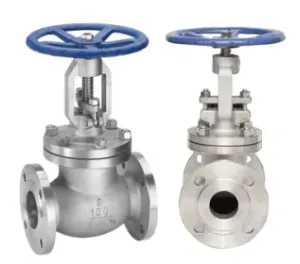
There are different types of ANSI Gate Valves, for example, Rising Stem Gate Valve. The rising stem design allows for easy visual indication of the valve's position. As the valve opens or closes, the stem moves up or down, clearly showing whether the valve is fully open, fully closed, or in an intermediate position.
Another type is Cast Iron Brass Sealed Rising Stem Gate Valves. These valves are known for their durability and corrosion resistance, making them suitable for a wide range of applications where the fluid being transported may be corrosive.
Manual Rising Stem Knife Gate Valves are also part of the ANSI Gate Valve family. They are often used in applications where the fluid contains solids or is viscous, as the knife - shaped gate can cut through the media effectively.
Why Slow - Closing is Necessary
Water hammer is a major concern in pipeline systems. When a valve closes rapidly, the sudden change in fluid velocity creates a pressure wave that travels through the pipeline. This pressure wave can cause excessive stress on the pipes, fittings, and valves, leading to premature failure. Slow - closing helps to gradually reduce the fluid velocity, minimizing the formation of pressure waves and thus preventing water hammer.
In addition to preventing water hammer, slow - closing can also improve the overall performance and lifespan of the valve. Rapid closing can cause wear and tear on the valve components, such as the gate, seat, and stem. By closing the valve slowly, the forces acting on these components are more evenly distributed, reducing the likelihood of damage and extending the valve's service life.
Methods to Achieve Slow - Closing
1. Use of a Manual Throttle
One of the simplest ways to achieve slow - closing is by using a manual throttle. A manual throttle can be installed in the valve's operating mechanism. By adjusting the throttle, the operator can control the speed at which the valve closes. This method is relatively inexpensive and easy to implement, especially for smaller systems or where a high degree of automation is not required.
However, manual throttles rely on human intervention, which means there is a risk of inconsistent closing speeds if the operator is not careful. In addition, manual throttles may not be suitable for applications where rapid response is needed in case of an emergency.
2. Hydraulic or Pneumatic Actuators
Hydraulic or pneumatic actuators can be used to control the closing speed of ANSI Gate Valves. These actuators work by using hydraulic fluid or compressed air to move the valve's gate. The flow rate of the hydraulic fluid or compressed air can be adjusted to control the speed of the actuator, and thus the closing speed of the valve.
Hydraulic actuators are known for their high force capabilities, making them suitable for large - sized valves or applications where high operating pressures are involved. Pneumatic actuators, on the other hand, are more lightweight and can provide a faster response time compared to hydraulic actuators. They are often used in applications where space is limited or where a clean and dry operating environment is required.
The advantage of using hydraulic or pneumatic actuators is that they can provide a more precise and consistent closing speed compared to manual throttles. They can also be integrated with automated control systems, allowing for remote operation and monitoring.
3. Electric Actuators with Adjustable Speed
Electric actuators are another option for achieving slow - closing. Modern electric actuators are equipped with adjustable speed controls, which allow the user to set the closing speed according to the specific requirements of the system. Electric actuators offer several advantages, such as ease of installation, low maintenance, and the ability to be integrated with digital control systems.
In addition, electric actuators can provide a high degree of accuracy in controlling the closing speed. They can be programmed to close the valve at a specific rate, ensuring that the fluid velocity is reduced gradually and water hammer is minimized. However, electric actuators may be more expensive than manual throttles or hydraulic/pneumatic actuators, especially for larger - sized valves.
4. Buffer Devices
Buffer devices can be installed in the valve's operating mechanism to absorb the energy generated during the closing process. These devices work by providing a damping effect, slowing down the movement of the valve's gate. Buffer devices can be mechanical, such as springs or shock absorbers, or they can be hydraulic or pneumatic.
Mechanical buffer devices are relatively simple and inexpensive. They can be easily installed in the valve's stem or actuator. Hydraulic or pneumatic buffer devices, on the other hand, can provide a more precise and adjustable damping effect. They can be adjusted to suit different operating conditions and valve sizes.
Considerations When Implementing Slow - Closing
When choosing a method to achieve slow - closing, several factors need to be considered. First, the size and type of the valve are important. Larger valves may require more powerful actuators or buffer devices to achieve the desired closing speed. Different types of valves, such as rising stem and non - rising stem valves, may also have different requirements for slow - closing mechanisms.
Second, the operating conditions of the system need to be taken into account. For example, if the system operates at high pressures or temperatures, the materials used in the slow - closing mechanism need to be able to withstand these conditions. In addition, the type of fluid being transported, such as corrosive or viscous fluids, may also affect the choice of slow - closing method.


Finally, the cost and maintenance requirements of the slow - closing mechanism should be considered. Some methods, such as electric actuators, may have a higher initial cost but lower maintenance requirements over the long term. Other methods, such as manual throttles, may be less expensive initially but may require more frequent maintenance and adjustment.
Conclusion
Achieving slow - closing of ANSI Gate Valves is crucial for preventing water hammer, improving valve performance, and extending the lifespan of the pipeline system. There are several methods available, including manual throttles, hydraulic or pneumatic actuators, electric actuators with adjustable speed, and buffer devices. Each method has its own advantages and disadvantages, and the choice depends on factors such as valve size, operating conditions, cost, and maintenance requirements.
As a supplier of ANSI Gate Valves, I am committed to providing high - quality valves and solutions for slow - closing. If you are interested in learning more about our products or need help in choosing the right slow - closing method for your application, please feel free to contact us for procurement negotiation. We have a team of experts who can provide you with professional advice and support.
References
- "Valve Handbook" by Valve Manufacturers Association
- "Fluid Mechanics and Hydraulic Machines" by R.K. Bansal
- Industry standards and guidelines related to ANSI Gate Valves