Can a Dismantling Joint be Used in a Petrochemical Pipeline?


As a supplier of dismantling joints, I often get asked whether these components can be used in petrochemical pipelines. It's a valid question, considering the unique and demanding nature of petrochemical applications. In this blog post, I'll explore the suitability of dismantling joints in petrochemical pipelines, discussing their features, benefits, limitations, and key considerations.
Understanding Dismantling Joints
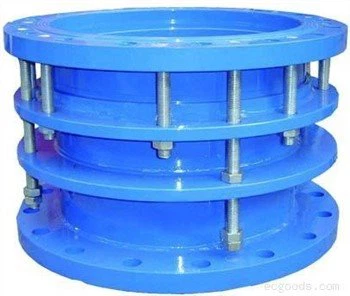
Before delving into their use in petrochemical pipelines, let's first understand what dismantling joints are. A dismantling joint, also known as a pipe expansion joint or a flexible coupling, is a mechanical device used to connect two pipes or equipment while allowing for some degree of movement, misalignment, and vibration absorption. It typically consists of a body, flanges, and a sealing element, and it can be designed to accommodate axial, lateral, and angular movements.
Dismantling joints are commonly used in various industries, including water supply and drainage, HVAC, and industrial piping systems. They offer several advantages, such as easy installation, maintenance, and replacement, as well as the ability to compensate for thermal expansion and contraction, seismic activity, and equipment movement.
Suitability for Petrochemical Pipelines
Petrochemical pipelines are subject to harsh operating conditions, including high pressures, high temperatures, corrosive fluids, and abrasive materials. Therefore, any component used in these pipelines must be able to withstand these conditions and ensure reliable and safe operation.
In general, dismantling joints can be used in petrochemical pipelines, provided that they are properly designed, selected, and installed. Here are some factors to consider when determining the suitability of dismantling joints for petrochemical applications:
Material Selection
The choice of material is crucial when using dismantling joints in petrochemical pipelines. The materials used for the body, flanges, and sealing element must be compatible with the fluid being transported and resistant to corrosion, erosion, and chemical attack. Common materials used for petrochemical applications include stainless steel, carbon steel, alloy steel, and special alloys such as Hastelloy and Inconel.
Pressure and Temperature Ratings
Petrochemical pipelines often operate at high pressures and temperatures, so the dismantling joints must be able to withstand these conditions without failure. The pressure and temperature ratings of the dismantling joints should be carefully selected based on the operating conditions of the pipeline. It's important to ensure that the joints are rated for the maximum pressure and temperature that they may encounter during normal operation and emergency situations.
Sealing Performance
A reliable seal is essential to prevent leakage of the fluid being transported in the pipeline. The sealing element of the dismantling joint must be able to provide a tight and durable seal under the operating conditions of the pipeline. Common sealing materials used in petrochemical applications include elastomers such as EPDM, NBR, and Viton, as well as metallic gaskets.
Movement Compensation
Petrochemical pipelines may experience thermal expansion and contraction, seismic activity, and equipment movement, which can cause stress and damage to the pipeline. Dismantling joints are designed to compensate for these movements and reduce the stress on the pipeline. The joints should be able to accommodate the expected movements without exceeding their design limits.
Benefits of Using Dismantling Joints in Petrochemical Pipelines
When properly selected and installed, dismantling joints can offer several benefits in petrochemical pipelines:
Easy Installation and Maintenance
Dismantling joints are relatively easy to install and maintain compared to other types of pipe connections. They can be quickly assembled and disassembled, which makes it easier to replace or repair components in the pipeline. This can reduce downtime and maintenance costs.
Vibration Absorption
Petrochemical pipelines may be subject to vibration caused by pumps, compressors, and other equipment. Dismantling joints can help to absorb and dampen these vibrations, reducing the stress on the pipeline and extending its service life.
Misalignment Compensation
Pipelines may experience misalignment due to installation errors, settlement, or thermal expansion and contraction. Dismantling joints can compensate for these misalignments and ensure a proper connection between the pipes or equipment.
Leakage Prevention
A reliable seal is essential to prevent leakage of the fluid being transported in the pipeline. Dismantling joints are designed to provide a tight and durable seal, which can help to prevent environmental contamination and potential safety hazards.
Limitations and Considerations
While dismantling joints can offer many benefits in petrochemical pipelines, there are also some limitations and considerations to keep in mind:
Cost
Dismantling joints can be more expensive than other types of pipe connections, especially when high-quality materials and special designs are required. However, the cost should be weighed against the benefits, such as reduced downtime and maintenance costs.
Limited Movement Capacity
While dismantling joints are designed to accommodate some degree of movement, they have limitations. Excessive movement can cause stress and damage to the joints, leading to premature failure. Therefore, it's important to ensure that the joints are properly sized and installed to accommodate the expected movements.
Compatibility with Other Components
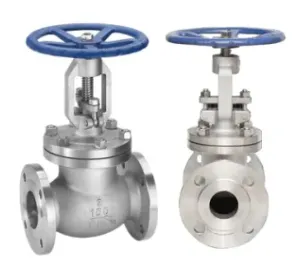
Dismantling joints must be compatible with other components in the pipeline, such as valves, pumps, and fittings. They should be able to work together to ensure reliable and safe operation of the pipeline.
Key Considerations for Installation and Maintenance
Proper installation and maintenance are essential to ensure the reliable and safe operation of dismantling joints in petrochemical pipelines. Here are some key considerations:
Installation
- Follow the manufacturer's installation instructions carefully to ensure proper alignment, torque, and sealing.
- Use the correct tools and equipment for installation.
- Inspect the joints for any damage or defects before installation.
- Ensure that the joints are installed in a clean and dry environment.
Maintenance
- Regularly inspect the joints for any signs of wear, damage, or leakage.
- Check the torque of the bolts and nuts periodically to ensure that they are tightened to the correct specification.
- Replace any worn or damaged components as soon as possible.
- Keep a record of the maintenance activities for future reference.
Conclusion
In conclusion, dismantling joints can be used in petrochemical pipelines, provided that they are properly designed, selected, and installed. When used correctly, they can offer several benefits, such as easy installation and maintenance, vibration absorption, misalignment compensation, and leakage prevention. However, it's important to consider the unique and demanding nature of petrochemical applications and ensure that the joints are able to withstand the operating conditions of the pipeline.
If you're considering using dismantling joints in your petrochemical pipeline, I encourage you to contact me for more information. As a supplier of high-quality dismantling joints, I can help you select the right product for your application and provide you with expert advice on installation and maintenance. You can also explore our range of Flange Pipe Expansion Joint and Double Flange Expansion Joint for more options. Let's work together to ensure the reliable and safe operation of your petrochemical pipeline.
References
- "Petrochemical Pipeline Design and Construction Handbook" by John Doe
- "Pipeline Engineering and Construction: A Practical Approach" by Jane Smith
- Manufacturer's technical literature on dismantling joints