As a seasoned supplier of dismantling joints, I've encountered numerous inquiries regarding their applicability in sewage pipelines. This topic is of utmost importance as sewage systems play a critical role in maintaining public health and environmental safety. In this blog, I'll delve into the feasibility of using dismantling joints in sewage pipelines, exploring their advantages, potential challenges, and key considerations.


Understanding Dismantling Joints
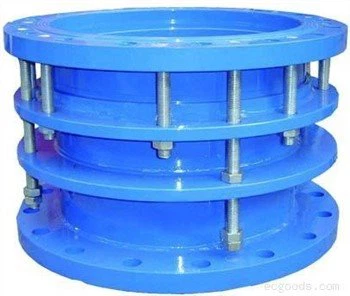
Before we discuss their use in sewage pipelines, let's first understand what dismantling joints are. Dismantling joints are mechanical devices used to connect pipes and facilitate easy installation, disassembly, and maintenance. They typically consist of a body, gland, and bolts, allowing for adjustment of the pipeline length and alignment. These joints are designed to absorb axial, lateral, and angular movements, compensating for thermal expansion, contraction, and ground settlement.
Advantages of Using Dismantling Joints in Sewage Pipelines
There are several compelling reasons to consider using dismantling joints in sewage pipelines:
- Easy Installation and Maintenance: One of the primary advantages of dismantling joints is their ease of installation and maintenance. In sewage systems, which often require periodic inspection and repair, the ability to quickly disassemble and reassemble pipes can significantly reduce downtime and labor costs. Dismantling joints allow for easy access to pipeline components, making it simpler to replace damaged sections or clean the interior of the pipes.
- Compensation for Movements: Sewage pipelines are subject to various movements, including thermal expansion and contraction, ground settlement, and seismic activity. Dismantling joints can effectively absorb these movements, preventing stress and strain on the pipes and reducing the risk of leaks and failures. By accommodating axial, lateral, and angular displacements, these joints help to maintain the integrity of the pipeline system over time.
- Leak Prevention: Properly installed dismantling joints can provide a reliable seal, preventing sewage leaks and minimizing the risk of environmental contamination. The design of these joints includes gaskets or seals that create a tight connection between the pipes, ensuring that sewage flows smoothly through the system without any leakage. This is particularly important in sewage pipelines, where leaks can pose serious health and environmental hazards.
- Flexibility in Pipeline Design: Dismantling joints offer flexibility in pipeline design, allowing for changes in direction, elevation, and alignment. This can be particularly useful in sewage systems, which often need to navigate around obstacles or follow the contours of the land. By using dismantling joints, engineers can design more efficient and cost-effective pipeline layouts that meet the specific requirements of the project.
Potential Challenges and Considerations
While there are many advantages to using dismantling joints in sewage pipelines, there are also some potential challenges and considerations that need to be addressed:
- Corrosion Resistance: Sewage contains various corrosive substances, such as acids, alkalis, and salts, which can cause corrosion of the pipeline materials over time. When selecting dismantling joints for sewage pipelines, it's important to choose materials that are resistant to corrosion, such as stainless steel or ductile iron. Additionally, proper coating and protection measures should be applied to the joints to enhance their corrosion resistance and extend their service life.
- Sealing Performance: The sealing performance of dismantling joints is crucial in preventing sewage leaks. It's important to ensure that the gaskets or seals used in these joints are compatible with the sewage environment and can withstand the pressure and temperature conditions of the pipeline system. Regular inspection and maintenance of the seals are also necessary to ensure their continued effectiveness.
- Size and Compatibility: Dismantling joints come in various sizes and configurations, and it's important to select the right size and type for the specific sewage pipeline application. The joint should be compatible with the pipe material, diameter, and pressure rating to ensure a proper fit and reliable performance. Additionally, consideration should be given to the installation space and any clearance requirements to ensure that the joint can be easily installed and maintained.
- Regulatory Compliance: Sewage pipelines are subject to various regulations and standards, which may specify the requirements for the use of dismantling joints. It's important to ensure that the selected joints comply with all relevant regulations and standards, such as those related to material quality, sealing performance, and installation procedures. Failure to comply with these regulations can result in legal issues and potential liability.
Applications in Sewage Pipelines
Dismantling joints can be used in various applications within sewage pipelines, including:
- Connection of Pipes: Dismantling joints are commonly used to connect different sections of sewage pipes, allowing for easy installation and disassembly. This is particularly useful in large-scale sewage systems, where pipes may need to be joined together over long distances.
- Expansion and Contraction Compensation: As mentioned earlier, sewage pipelines are subject to thermal expansion and contraction. Dismantling joints can be used to compensate for these movements, preventing stress and strain on the pipes and reducing the risk of leaks and failures.
- Valve and Fitting Installation: Dismantling joints can also be used to facilitate the installation and maintenance of valves and fittings in sewage pipelines. By providing a flexible connection, these joints allow for easy access to the valves and fittings, making it simpler to replace or repair them as needed.
- Seismic and Ground Movement Mitigation: In areas prone to seismic activity or ground settlement, dismantling joints can be used to mitigate the effects of these movements on sewage pipelines. By absorbing the displacements caused by earthquakes or ground shifts, these joints help to protect the pipeline system and prevent damage.
Related Products for Sewage Pipelines
In addition to dismantling joints, there are other products that can be used in sewage pipelines to enhance their performance and reliability. Two such products are the Flange Pipe Expansion Joint and the Double Flange Expansion Joint.
Flange Pipe Expansion Joints are designed to absorb axial, lateral, and angular movements in pipelines, similar to dismantling joints. They are typically used in applications where there is a need for greater flexibility and movement compensation, such as in large-diameter sewage pipelines or in areas with high seismic activity. These joints consist of a bellows element, which is made of metal or rubber, and flanges on either end for connection to the pipes.
Double Flange Expansion Joints are a type of expansion joint that features flanges on both ends, providing a more secure and reliable connection. They are commonly used in sewage pipelines to compensate for thermal expansion and contraction, as well as to absorb vibrations and noise. These joints are available in various materials and configurations, depending on the specific requirements of the application.
Conclusion
In conclusion, dismantling joints can be a valuable addition to sewage pipelines, offering numerous advantages such as easy installation and maintenance, compensation for movements, leak prevention, and flexibility in pipeline design. However, it's important to carefully consider the potential challenges and considerations, such as corrosion resistance, sealing performance, size and compatibility, and regulatory compliance. By selecting the right type of dismantling joint and ensuring proper installation and maintenance, sewage system operators can enhance the performance and reliability of their pipelines, reducing the risk of leaks and failures and protecting public health and the environment.
If you're considering using dismantling joints in your sewage pipeline project, I encourage you to reach out to me. As a supplier with extensive experience in this field, I can provide you with expert advice and high-quality products that meet your specific requirements. Contact me to start a discussion about your project and explore how we can work together to ensure the success of your sewage pipeline system.
References
- Pipeline Design and Construction: A Practical Approach, Second Edition, by William A. Palmer
- Handbook of Water and Wastewater Treatment Plant Operations, Third Edition, by Fred L. Busch
- Corrosion Control for Pipelines: A Practical Guide, by J. H. Sharp