A leaking knife gate valve can be a significant issue in various industrial applications, leading to inefficiencies, potential safety hazards, and increased operational costs. As a trusted knife gate valve supplier, I understand the importance of addressing such problems promptly and effectively. In this blog post, I will guide you through the process of repairing a leaking knife gate valve, providing you with step - by - step instructions and valuable insights.
Step 1: Identify the Source of the Leak
The first and most crucial step in repairing a leaking knife gate valve is to accurately identify the source of the leak. Leaks can occur in several areas of the valve, including the valve body, the stem packing, the seat, or the flange connections.
To check for leaks in the valve body, visually inspect the exterior of the valve for any signs of moisture, corrosion, or damage. A damaged valve body may have cracks or holes that allow fluid to escape. If you suspect a leak in the valve body, it is important to isolate the valve from the system and relieve the pressure before proceeding with further inspection.
The stem packing is another common area where leaks can occur. The stem packing is designed to prevent fluid from leaking out along the valve stem. To check for stem packing leaks, look for signs of fluid dripping or seeping around the stem. If the packing is worn or damaged, it will need to be replaced.
The valve seat is responsible for providing a tight seal when the valve is closed. A leaky seat can be caused by debris, wear, or damage. To check the seat, open and close the valve several times and observe if there is any fluid leakage when the valve is in the closed position.
Flange connections can also be a source of leaks. Inspect the flange gaskets for any signs of damage or improper installation. A damaged or misaligned gasket can allow fluid to escape between the flanges.
Step 2: Gather the Necessary Tools and Materials
Once you have identified the source of the leak, you need to gather the necessary tools and materials for the repair. The specific tools and materials required will depend on the nature of the repair.
Common tools include wrenches, screwdrivers, pliers, and a torque wrench. You may also need a valve stem packing kit, new gaskets, and sealant. If the valve body is damaged, you may need replacement parts such as a new valve body or a repair sleeve.
Step 3: Isolate the Valve and Relieve the Pressure
Before starting any repair work on the valve, it is essential to isolate the valve from the system and relieve the pressure. This can be done by closing the upstream and downstream isolation valves and opening a bleed valve to release any remaining pressure in the valve.


Make sure to follow all safety procedures when relieving the pressure. Wear appropriate personal protective equipment, such as safety glasses and gloves, to protect yourself from any potential hazards.
Step 4: Repair or Replace the Faulty Components
Stem Packing Replacement
If the leak is coming from the stem packing, you will need to replace the packing. First, use a wrench to loosen the gland bolts and remove the gland. Carefully remove the old packing from the packing gland and the stem. Clean the packing gland and the stem thoroughly to remove any debris or old packing material.
Next, install the new packing. Cut the packing to the appropriate length and insert it into the packing gland, making sure to stack the packing rings evenly. Tighten the gland bolts gradually, using a torque wrench to ensure that the gland is tightened to the correct torque specification.
Seat Repair or Replacement
If the valve seat is damaged, you may be able to repair it by grinding or lapping the seat surface to remove any debris or damage. However, if the damage is severe, you will need to replace the seat.
To replace the seat, remove the valve bonnet and the gate. Use a suitable tool to remove the old seat from the valve body. Clean the seat area in the valve body and install the new seat. Make sure to align the seat correctly and use a sealant to ensure a tight seal.
Flange Gasket Replacement
If the leak is coming from the flange connections, you will need to replace the flange gaskets. First, loosen the flange bolts and separate the flanges. Remove the old gasket and clean the flange surfaces thoroughly.
Select a new gasket that is compatible with the valve and the fluid in the system. Place the new gasket on one of the flange surfaces and align the flanges. Insert the bolts and tighten them gradually, using a torque wrench to ensure that the bolts are tightened to the correct torque specification.
Valve Body Repair
If the valve body is damaged, the repair process will be more complex. In some cases, a simple repair such as welding a crack may be sufficient. However, if the damage is extensive, you may need to replace the valve body.
If you are welding the valve body, make sure to use the correct welding technique and filler material. After welding, inspect the repair area for any defects and perform a pressure test to ensure that the repair is successful.
Step 5: Test the Valve
After completing the repair work, it is important to test the valve to ensure that the leak has been fixed. Reconnect the valve to the system and slowly open the upstream isolation valve to allow fluid to flow into the valve.
Check for any signs of leakage around the valve. If there are no leaks, open and close the valve several times to ensure that it operates smoothly. You may also want to perform a pressure test to verify the integrity of the valve.
Step 6: Maintenance and Prevention
To prevent future leaks, it is important to perform regular maintenance on the valve. This includes inspecting the valve for signs of wear and damage, lubricating the moving parts, and replacing the stem packing and gaskets at regular intervals.
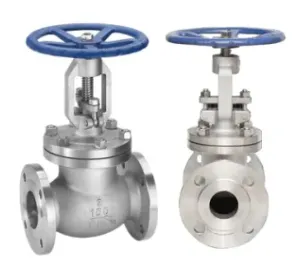
Using high - quality valve components is also crucial. At our company, we offer a wide range of knife gate valves, including the F5 Gate Valve, Bevel Gear Flanged Gate Valve Z541H, and Non stem Flanged Gate Valve Z45H. Our valves are designed and manufactured to the highest standards, ensuring reliable performance and long - term durability.
Conclusion
Repairing a leaking knife gate valve requires careful diagnosis, proper tools, and the right replacement parts. By following the steps outlined in this blog post, you can effectively repair a leaking valve and ensure its continued operation.
If you are facing valve - related issues or are interested in purchasing high - quality knife gate valves, we are here to help. Our team of experts can provide you with professional advice and solutions. Contact us today to start a procurement discussion and find the best valve solutions for your needs.
References
- Valve Handbook, Crane Co.
- Industrial Valves: Selection, Installation, and Maintenance, McGraw - Hill Professional