Hey there! As a supplier for Valve, I've got some insights to share about how Valve's anti - cheat system works. It's a topic that's been on the minds of a lot of gamers and industry folks alike, so let's dive right in.
First off, Valve is a big player in the gaming world, especially with titles like Counter - Strike: Global Offensive (CS:GO), Dota 2, and others. Their anti - cheat system is crucial to maintaining a fair and competitive gaming environment.
One of the core components of Valve's anti - cheat system is VAC, which stands for Valve Anti - Cheat. VAC is an automated system that runs in the background while you're playing a VAC - protected game. It continuously monitors your gameplay and the software running on your computer.
When you launch a VAC - protected game, VAC starts by checking your system for any known cheat programs. It has a database of signatures of these cheats, kind of like how an antivirus program checks for viruses. If it finds a match, it takes immediate action. This could mean banning your account right away, so you won't be able to play the game on that account anymore.
But VAC doesn't just look for pre - known cheats. It also has the ability to detect abnormal gameplay patterns. For example, if a player is suddenly aiming with superhuman accuracy, making impossible shots from long distances every time, or moving in a way that defies the game's physics, VAC takes notice. It uses machine learning algorithms to analyze these patterns. These algorithms are trained on a vast amount of normal gameplay data, so they can easily spot deviations.
Another aspect of Valve's anti - cheat system is the community reporting feature. Players can report other players they suspect of cheating. When a report is made, Valve's team reviews it. They look at the evidence provided by the reporting player, like screenshots or video recordings. If the evidence is strong enough, they'll investigate further. Sometimes, they might even use the in - game logs to check the reported player's actions.
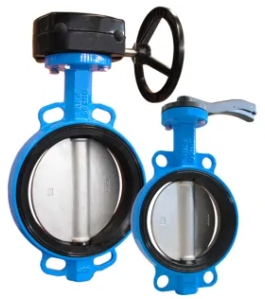
Now, let's talk about how this all ties into my role as a Valve supplier. I provide various types of valves for Valve's hardware systems. For example, I supply the center line-type butterfly valve. These valves are used in the cooling systems of the servers that run Valve's games. A stable and efficient cooling system is essential because the servers need to operate at optimal temperatures to ensure smooth gameplay. If the servers overheat, it can lead to lag and other issues, which can be exploited by cheaters.
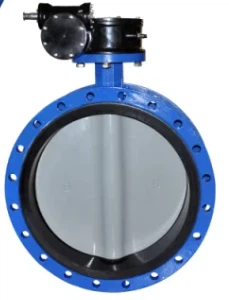
I also supply the Flanged Type EPDM Seated Butterfly Valve. These valves are used in the water circulation systems of the data centers. Proper water circulation helps in maintaining the right humidity levels, which is crucial for the longevity of the server hardware. If the hardware fails, it can disrupt the anti - cheat system's operation, as it relies on these servers to function correctly.
And then there's the One Stem No-pin Lug Butterfly Valve. These valves are used in the air intake systems of the servers. Good air intake is necessary for proper ventilation, which in turn helps in keeping the servers cool. A well - ventilated server is less likely to experience glitches that cheaters could take advantage of.
Valve's anti - cheat system also has a self - updating mechanism. It regularly receives updates to its cheat signature database and machine learning models. This is important because cheaters are always coming up with new ways to cheat. They develop new cheat programs that try to bypass the existing anti - cheat measures. So, Valve needs to stay one step ahead. As a supplier, I need to keep up with these changes too. I have to ensure that the valves I supply are compatible with any new hardware or software upgrades that Valve makes to its anti - cheat system.
In addition to the automated and community - driven aspects, Valve also has a team of human moderators. These moderators are experts in the games and the anti - cheat system. They review complex cases that the automated system might have missed or that require a more in - depth analysis. They look at the big picture, considering factors like the player's history, the context of the gameplay, and the overall impact on the game's fairness.
The anti - cheat system also uses encryption to protect the data it collects. This includes the gameplay data, the system information, and the reports from players. Encryption ensures that this sensitive data is not accessible to unauthorized parties, which is crucial for maintaining the integrity of the anti - cheat system.
As a supplier, I understand the importance of the anti - cheat system for Valve's success. A fair gaming environment attracts more players, which in turn leads to more revenue for Valve. And as a supplier, my business benefits from Valve's success. So, I'm committed to providing high - quality valves that contribute to the smooth operation of Valve's hardware systems.
If you're interested in learning more about the valves I supply or if you're in the market for center line-type butterfly valve, Flanged Type EPDM Seated Butterfly Valve, or One Stem No-pin Lug Butterfly Valve, feel free to reach out for a procurement discussion. I'm always happy to talk about how my products can meet your needs.
References:
- Valve official documentation on anti - cheat systems
- Industry reports on gaming anti - cheat technologies
- Research papers on machine learning in anti - cheat systems