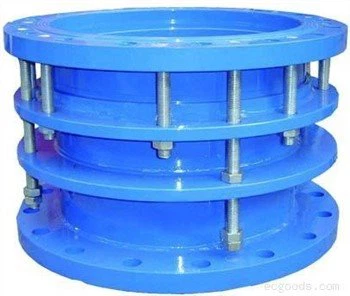
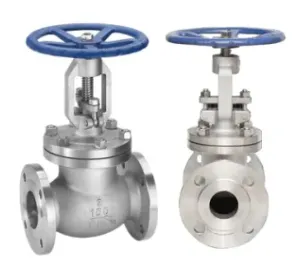
Can a flat gate valve be used for high - temperature applications? This is a question that many of our customers often ask. As a professional flat gate valve supplier, I'd like to delve into this topic in detail to provide you with a comprehensive understanding.
1. Understanding Flat Gate Valves
Flat gate valves are a type of linear motion valve used to start or stop the flow of fluid in a pipeline. They operate by raising or lowering a flat gate between two seats. These valves are known for their simple design, full - bore flow, and low pressure drop when fully open. The gate can be either solid or flexible, and they are widely used in various industries such as oil and gas, power generation, and chemical processing.
2. Factors Affecting the Use of Flat Gate Valves in High - Temperature Applications
2.1 Material Selection
The materials used in the construction of flat gate valves play a crucial role in their performance at high temperatures. For high - temperature applications, the valve body, gate, and seats need to be made of materials that can withstand thermal expansion, corrosion, and mechanical stress. Commonly used materials include stainless steel, alloy steel, and high - nickel alloys.
Stainless steel offers good corrosion resistance and can handle moderate high temperatures. However, at extremely high temperatures, its strength may decrease. Alloy steel, on the other hand, has better high - temperature strength and can be used in more demanding applications. High - nickel alloys are excellent for very high - temperature and corrosive environments, but they are also more expensive.
2.2 Thermal Expansion
One of the main challenges in high - temperature applications is thermal expansion. As the temperature rises, the materials in the valve expand. If the valve is not designed to accommodate this expansion properly, it can lead to issues such as jamming of the gate, leakage at the seats, and even structural damage.
A well - designed flat gate valve should have sufficient clearance and flexibility to allow for thermal expansion. For example, the valve seats should be able to adjust to the changing dimensions of the gate without losing their sealing ability.
2.3 Sealing Performance
Maintaining a good seal is essential in any valve application, especially in high - temperature environments. High temperatures can cause the sealing materials to degrade, leading to leakage. The sealing materials used in flat gate valves need to have high - temperature resistance and good elasticity.
Common sealing materials for high - temperature applications include graphite and ceramic composites. Graphite has excellent heat resistance and can provide a reliable seal at high temperatures. Ceramic composites are also known for their high - temperature stability and wear resistance.
3. Advantages of Using Flat Gate Valves in High - Temperature Applications
3.1 Full - Bore Flow
Flat gate valves offer a full - bore flow, which means that there is no significant restriction to the flow of fluid through the valve. This is beneficial in high - temperature applications where maintaining a smooth flow is important to prevent overheating and pressure build - up.
3.2 Low Pressure Drop
When fully open, flat gate valves have a low pressure drop across the valve. This reduces the energy consumption of the system and is particularly advantageous in high - temperature applications where energy efficiency is crucial.
3.3 Simple Operation
Flat gate valves are relatively simple to operate. They can be opened and closed quickly, which is useful in emergency situations or when rapid flow control is required.
4. Limitations of Using Flat Gate Valves in High - Temperature Applications
4.1 Slower Operation Speed
Compared to some other types of valves, flat gate valves may have a slower operation speed. This can be a drawback in applications where rapid flow changes are needed.
4.2 Limited Throttling Capability
Flat gate valves are not well - suited for throttling applications. When partially open, the gate can cause turbulence and uneven flow, which may lead to erosion and damage to the valve and the pipeline.
5. Our Product Solutions
As a flat gate valve supplier, we offer a range of products suitable for high - temperature applications. Our valves are designed with high - quality materials and advanced manufacturing techniques to ensure reliable performance in harsh environments.
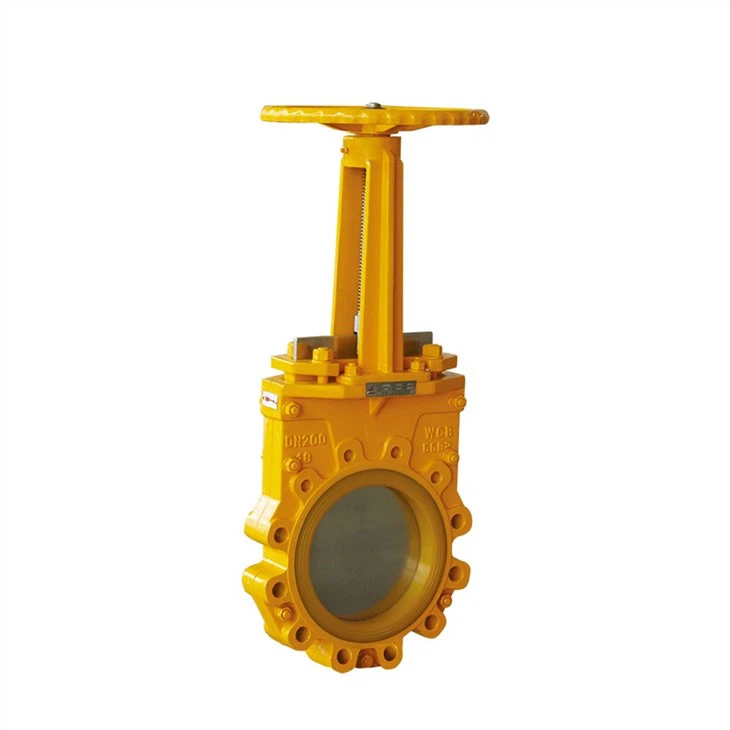

We have Manual Rising Stem Knife Gate Valves that are specifically engineered for high - temperature and high - pressure applications. These valves feature a rising stem design, which allows for easy visual indication of the valve position. The knife - edge gate provides a clean cut through the media, reducing the risk of clogging.
Our Knife Gate Valve is another excellent choice for high - temperature applications. It is available in various materials and configurations to meet different customer requirements. The valve is designed to provide a tight seal even at high temperatures, ensuring reliable operation.
In addition, we also offer Manual Slurry Valve for applications involving high - temperature slurries. These valves are built to withstand the abrasion and corrosion caused by the slurry, making them suitable for industries such as mining and pulp and paper.
6. Conclusion
In conclusion, flat gate valves can be used for high - temperature applications, but it depends on several factors such as material selection, design, and sealing performance. With proper design and the right choice of materials, flat gate valves can offer reliable and efficient operation in high - temperature environments.
If you are looking for high - quality flat gate valves for your high - temperature applications, we are here to help. Our team of experts can provide you with professional advice and customized solutions to meet your specific needs. Contact us today to start a discussion about your valve requirements and let's work together to find the best valve solution for your project.
References
- Valve Handbook, CRC Press
- ASME Standards for Valves in High - Temperature Applications
- Material Science and Engineering for Valve Design, Wiley