Hey there! As a pipe fitting supplier, I often get asked about the lifespan of pipe fittings. It's a crucial question because knowing how long your pipe fittings will last can save you a ton of time, money, and headaches down the road. So, let's dive right in and explore what factors affect the lifespan of pipe fittings and how you can make them last as long as possible.
Factors Affecting the Lifespan of Pipe Fittings
Material Quality
The material of the pipe fitting is one of the most significant factors that determine its lifespan. Different materials have different levels of durability, corrosion resistance, and strength. For example, stainless steel pipe fittings are known for their excellent corrosion resistance, which makes them ideal for use in harsh environments. They can last for decades, even in areas with high humidity or exposure to chemicals.
On the other hand, PVC pipe fittings are lightweight and affordable, but they may not be as durable as metal fittings. PVC can become brittle over time, especially when exposed to sunlight or extreme temperatures. In general, PVC pipe fittings have a lifespan of around 25 to 40 years, depending on the conditions of use.
Installation Quality
Proper installation is key to ensuring the long - term performance of pipe fittings. If a fitting is not installed correctly, it can lead to leaks, stress on the pipes, and premature failure. For instance, if a flange is not tightened evenly, it can cause uneven pressure distribution, which may result in leaks over time.
Professional installers know how to handle different types of pipe fittings and ensure that they are installed according to the manufacturer's specifications. They also use the right tools and techniques to prevent damage to the fittings during installation. So, always hire a qualified installer to get the job done right.
Operating Conditions
The environment in which the pipe fittings operate plays a huge role in their lifespan. Factors such as temperature, pressure, and the type of fluid or gas flowing through the pipes can all affect the durability of the fittings.
High - temperature applications can cause some materials to expand and contract, which can lead to stress fractures over time. Similarly, high - pressure systems put more strain on the fittings, increasing the risk of failure. If the fluid or gas contains corrosive substances, it can eat away at the material of the fitting, reducing its lifespan.
Maintenance
Regular maintenance is essential for extending the lifespan of pipe fittings. This includes inspecting the fittings for signs of wear, corrosion, or damage, and making any necessary repairs or replacements. For example, checking for leaks, loose connections, or rust on a regular basis can help you catch problems early and prevent them from getting worse.


Lubricating moving parts, such as valves, can also help reduce friction and wear, ensuring smooth operation and a longer lifespan. Additionally, cleaning the pipes and fittings to remove any debris or buildup can prevent blockages and corrosion.
Lifespan of Specific Pipe Fittings
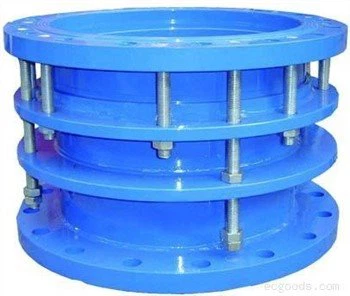
Double Flange Expansion Joint
Double flange expansion joints are designed to absorb movement and vibration in piping systems. They are commonly used in industrial applications where there is a need for flexibility. The lifespan of a Double Flange Expansion Joint can vary depending on the factors mentioned above.
Made from high - quality materials like stainless steel or rubber, these joints can last anywhere from 10 to 20 years with proper installation and maintenance. However, if they are exposed to extreme conditions, such as high - pressure steam or corrosive chemicals, their lifespan may be shorter.
Flange Pipe Expansion Joint
Flange pipe expansion joints are similar to double flange expansion joints but are typically used in different applications. They are also used to accommodate thermal expansion and contraction in pipes. The lifespan of a Flange Pipe Expansion Joint is also influenced by material quality, installation, operating conditions, and maintenance.
In normal operating conditions, a well - made flange pipe expansion joint can last around 15 to 25 years. But again, harsh environments or improper installation can significantly reduce this lifespan.
Tips to Extend the Lifespan of Pipe Fittings
Choose the Right Material
Selecting the appropriate material for your specific application is crucial. Consider the operating conditions, such as temperature, pressure, and the type of fluid or gas, when choosing a pipe fitting. For example, if you're dealing with a corrosive fluid, opt for a corrosion - resistant material like stainless steel or PVC.
Follow Installation Guidelines
Make sure to follow the manufacturer's installation instructions carefully. This includes using the right tools, applying the correct torque when tightening connections, and ensuring proper alignment. If you're not confident in your installation skills, hire a professional.
Monitor Operating Conditions
Keep an eye on the temperature, pressure, and other operating conditions of your piping system. If you notice any significant changes, take action to address them. For example, if the pressure is too high, you may need to install a pressure - relief valve.
Implement a Maintenance Schedule
Create a regular maintenance schedule and stick to it. This should include inspections, cleaning, lubrication, and any necessary repairs or replacements. By staying on top of maintenance, you can catch problems early and prevent costly breakdowns.
Conclusion
In conclusion, the lifespan of pipe fittings can vary widely depending on several factors, including material quality, installation, operating conditions, and maintenance. By understanding these factors and taking the necessary steps to address them, you can extend the lifespan of your pipe fittings and ensure the smooth operation of your piping system.
If you're in the market for high - quality pipe fittings, I'm here to help. I offer a wide range of pipe fittings that are made from top - notch materials and designed to meet your specific needs. Whether you need a Double Flange Expansion Joint or a Flange Pipe Expansion Joint, I've got you covered.
Contact me to discuss your requirements and let's start a conversation about how I can provide you with the best pipe fittings for your project. I'm always happy to answer any questions you may have and help you make the right choices.
References
- Pipe Fitting Handbook, Industry Standard Publications
- Manufacturer's Specifications for Pipe Fittings