Hey there! As a supplier of Knife Gate Valves, I often get asked about the noise level when these valves are operating. It's a crucial question, especially for industries where noise can be a big deal, like in factories, water treatment plants, and mining operations. So, let's dive right in and explore what the noise level of a Knife Gate Valve is all about.
First off, what exactly is a Knife Gate Valve? Well, it's a type of valve that's designed to cut through thick, viscous materials like slurries, sewage, and other industrial fluids. The valve has a sharp-edged gate that slides down between two seats to either open or close the flow of the fluid. This design makes it ideal for applications where other types of valves might get clogged or damaged.
Now, let's talk about the noise. The noise level of a Knife Gate Valve during operation can vary depending on several factors. One of the main factors is the type of fluid that the valve is handling. If the fluid is thick and viscous, like a slurry, the valve might make more noise as the gate cuts through it. On the other hand, if the fluid is a clean liquid, the noise level might be relatively low.
Another factor that can affect the noise level is the speed at which the valve is operated. If the valve is opened or closed too quickly, it can create a sudden change in pressure, which can lead to noise. This is known as water hammer, and it can be quite loud and potentially damaging to the valve and the piping system. To avoid water hammer, it's important to operate the valve at a moderate speed.
The design of the valve itself also plays a role in the noise level. A well-designed Knife Gate Valve will have features that help to reduce noise. For example, some valves have a soft seat that can absorb some of the shock and vibration, which can reduce the noise. Additionally, the materials used in the construction of the valve can also affect the noise level. Valves made from high-quality materials are often quieter than those made from cheaper materials.
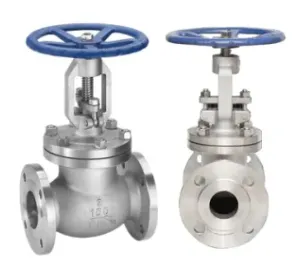
Let's take a look at some specific examples of how different types of Knife Gate Valves might perform in terms of noise. For instance, the Rising Stem Flanged Gate Valve Z41H is a popular choice for many industrial applications. This valve is designed to be durable and reliable, and it also has features that help to reduce noise. The rising stem design allows for easy operation, and the flanged connections ensure a tight seal, which can help to minimize noise.
Another example is the 16bar Dustile Iron Nrs Resilient Seat Wedge Gate Valve. This valve is made from dustile iron, which is a strong and durable material. The resilient seat helps to provide a tight seal and reduce noise, and the wedge design ensures smooth operation.


The Cast Iron F4 Resilient Seated Gate Valve is also a great option. Cast iron is a common material for valves, and it offers good strength and durability. The resilient seat helps to reduce noise and prevent leakage, making it a reliable choice for many applications.
In general, the noise level of a Knife Gate Valve is typically measured in decibels (dB). A quiet valve might operate at around 60-70 dB, which is similar to the noise level of normal conversation. However, in some industrial settings, the noise level can be much higher, especially if the valve is handling a thick or abrasive fluid.
To measure the noise level of a Knife Gate Valve, you can use a sound level meter. This device measures the intensity of sound waves and gives you a reading in decibels. By measuring the noise level, you can determine if the valve is operating within an acceptable range or if there are any issues that need to be addressed.
If you're experiencing high noise levels from your Knife Gate Valve, there are several things you can do to reduce it. One option is to install a silencer or a noise-reducing device. These devices can help to absorb some of the sound waves and reduce the overall noise level. Another option is to adjust the operating parameters of the valve, such as the speed at which it's opened or closed. By making these adjustments, you can often reduce the noise level significantly.
In conclusion, the noise level of a Knife Gate Valve when operating can vary depending on several factors, including the type of fluid, the speed of operation, and the design of the valve. As a supplier, we offer a range of Knife Gate Valves that are designed to minimize noise and provide reliable performance. If you're in the market for a Knife Gate Valve and want to learn more about the noise levels and other features, feel free to reach out to us. We'd be happy to discuss your specific needs and help you find the right valve for your application. Let's start a conversation and see how we can work together to meet your requirements.
References
- ASME standards on valve noise and performance.
- Industry research on the impact of fluid properties on valve noise.
- Manufacturer's specifications for Knife Gate Valves.