Hey there! As a supplier of globe valves, I often get asked whether a globe valve can be used in a chemical processing plant. Well, the short answer is yes! But let me dive deeper and explain why.
First off, let's talk about what a globe valve is. A globe valve is a type of valve that has a spherical body and a movable disk-shaped element that controls the flow of fluid through the valve. The disk moves vertically to block or allow the flow of fluid, making it ideal for applications where precise flow control is required.
Now, why is a globe valve a good fit for a chemical processing plant? There are several reasons.
Precision Flow Control
In a chemical processing plant, accurate control of fluid flow is crucial. Different chemicals need to be added in specific quantities and at specific rates to ensure the quality and safety of the final product. Globe valves are designed to provide excellent flow control. They can be adjusted to regulate the flow from a completely closed position to a fully open position with a high degree of precision. This means that operators can fine - tune the amount of chemicals flowing through the pipes, which is essential for maintaining the right chemical reactions and product consistency.
Shut - off Capability
Another important factor in chemical processing is the ability to completely shut off the flow of chemicals when necessary. A globe valve can provide a tight seal when closed, preventing any leakage of potentially hazardous chemicals. This is vital for safety, as it helps to avoid spills and accidents that could endanger the lives of workers and cause environmental damage.
Resistance to Corrosion
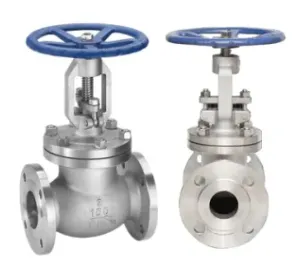
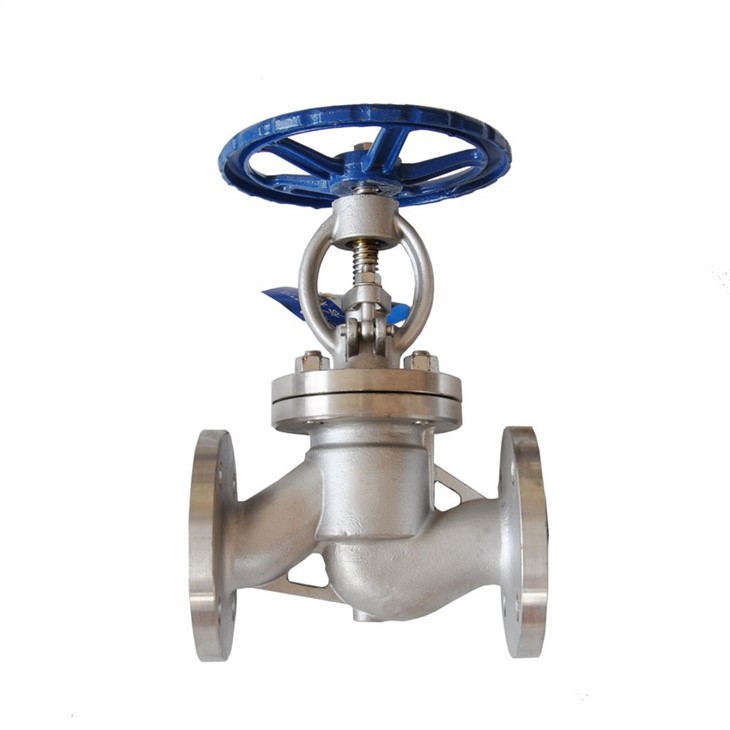
Chemicals can be extremely corrosive, and the valves used in a chemical processing plant need to be able to withstand this harsh environment. Many globe valves are made from materials such as stainless steel or other corrosion - resistant alloys. For example, our Stainless Steel Flanged Globe Valve is specifically designed to resist the corrosive effects of various chemicals. Its flanged design allows for easy installation and maintenance in the piping system, ensuring long - term reliable operation in a chemical - laden environment.
Durability and Longevity
Chemical processing plants operate 24/7, and the valves need to be able to handle continuous use. Globe valves are known for their durability. They are built to last, with robust construction that can withstand high pressures and temperatures that are common in chemical processes. This means fewer replacements and less downtime for maintenance, which ultimately saves the plant money in the long run.
Different Types for Different Needs
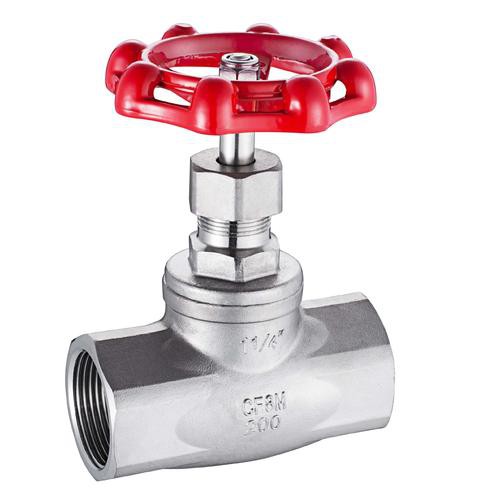
We offer a wide range of globe valves to meet the specific requirements of chemical processing plants. For instance, our Type B Screw Globe Valve is a great option for applications where a smaller - sized valve with a screw - type operation is needed. It provides precise flow control and is relatively easy to operate.
On the other hand, our American Standard Manual Globe Valve adheres to well - established standards, ensuring compatibility with other components in the piping system. Its manual operation gives operators direct control over the valve, which can be very useful in some chemical processing scenarios.
However, like any other equipment, there are also some things to consider when using a globe valve in a chemical processing plant.
Pressure Drop
One potential drawback of using a globe valve is the pressure drop across the valve. When the disk of the globe valve restricts the flow of fluid, it causes a decrease in pressure. In some chemical processes, this pressure drop might need to be accounted for, as it could affect the efficiency of the process. But with careful design and selection of the right valve size and type, this issue can be minimized.
Maintenance Requirements
Although globe valves are durable, they still require regular maintenance to ensure optimal performance. This includes lubricating the stem, checking the seal, and inspecting for wear and tear. Chemical processing plants need to have a proper maintenance schedule in place to keep the globe valves in good working condition.
In conclusion, a globe valve can definitely be used in a chemical processing plant. Its precision flow control, shut - off capability, corrosion resistance, durability, and the availability of different types make it a suitable choice for many chemical processing applications. At our company, we've been supplying high - quality globe valves for years, and we've seen firsthand how they can improve the efficiency and safety of chemical processing operations.
If you're in charge of a chemical processing plant and are looking for reliable globe valves, we'd love to talk to you. Whether you need more information about our products, a quote, or advice on which valve is best for your specific application, don't hesitate to reach out. We're here to help you make the right choice for your plant's needs.
References
- Perry, R. H., & Green, D. W. (Eds.). (1997). Perry's Chemical Engineers' Handbook. McGraw - Hill.
- Ludwig, E. E. (1995). Applied Process Design for Chemical and Petrochemical Plants. Gulf Publishing Company.