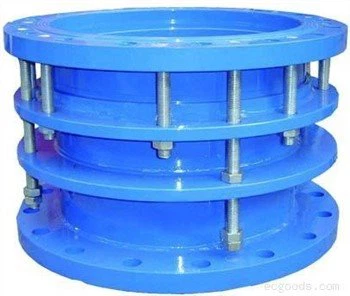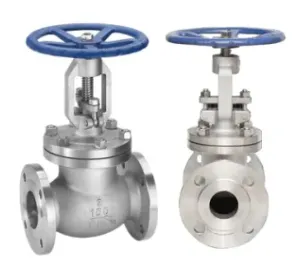
As a reputable gate valve supplier, I've witnessed firsthand the significance of valve size in determining the performance of gate valves. Gate valves are widely used across various industries to control the flow of fluids, such as water, oil, and gas. Their simple yet effective design, consisting of a gate that moves up and down to open or close the passageway, makes them a popular choice for many applications. However, choosing the right valve size is crucial to ensuring optimal gate valve performance.
Flow Capacity
One of the primary impacts of valve size on gate valve performance is its effect on flow capacity. The size of the valve bore directly determines the amount of fluid that can pass through the valve. A larger valve bore generally allows for a higher flow rate, as there is less restriction to the fluid flow. Conversely, a smaller valve bore restricts the flow, leading to a lower flow rate.
For instance, in a water treatment plant, a large-diameter gate valve might be used to control the flow of water from a reservoir to the treatment facility. The larger valve size ensures that a sufficient volume of water can be transferred quickly, meeting the plant's processing requirements. On the other hand, in a small plumbing system, a smaller gate valve may be more appropriate, as it can effectively control the flow of water without over - sizing the valve, which could lead to unnecessary costs and inefficiencies.
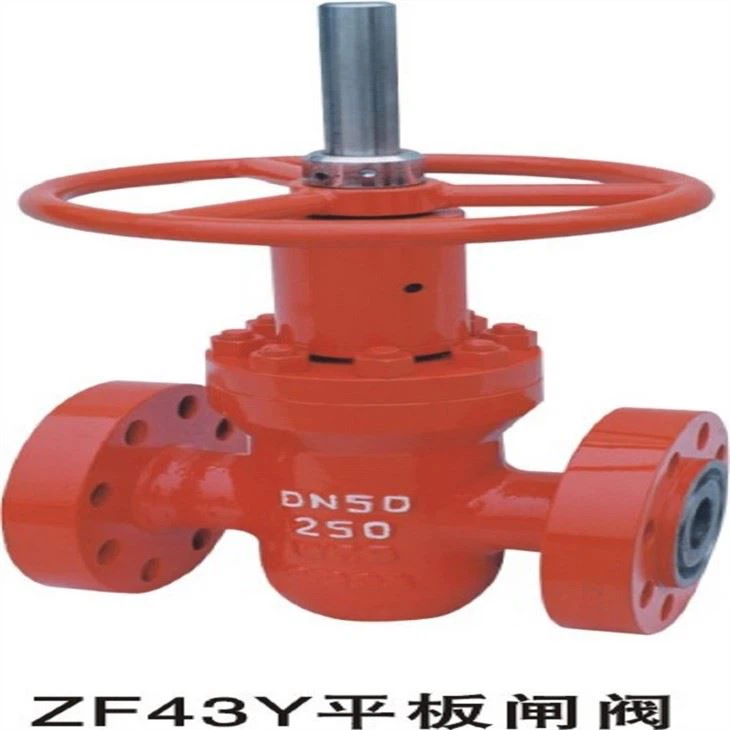

Pressure Drop
Another critical aspect affected by valve size is pressure drop. Pressure drop is the reduction in fluid pressure as it passes through the valve. A smaller valve size can cause a significant pressure drop because the fluid has to squeeze through a narrower passage. This increased pressure drop can lead to higher energy consumption, as more power is needed to maintain the required flow rate.
In a pipeline transporting oil over long distances, a large gate valve is often preferred to minimize pressure drop. By allowing the oil to flow more freely through a larger bore, the energy required to pump the oil is reduced. This not only saves on energy costs but also reduces wear and tear on the pumping equipment. If a smaller valve were used, the increased pressure drop would result in higher pumping costs and could potentially damage the pumping system over time.
Shut - Off Ability
Valve size also plays a crucial role in the shut - off ability of a gate valve. A properly sized valve ensures a tight seal when closed, preventing any leakage. Inadequate valve size can compromise the sealing performance.
For example, if a valve is too large for a given application, the gate may not be able to seat properly, leading to leakage. This can be a serious issue, especially in applications where preventing leakage is critical, such as in the chemical industry, where the leakage of corrosive or toxic chemicals can pose significant safety and environmental risks.
Conversely, if the valve is too small, the gate may face excessive force when shutting off. This can cause damage to the seating surfaces over time, also resulting in leakage. Therefore, selecting the correct valve size is essential for maintaining a reliable shut - off function.
Installation and Space Requirements
The physical size of the valve is an important consideration during installation. Larger gate valves generally require more space for installation, including clearance for the valve body and the actuator (if any). In tight spaces, such as on offshore oil rigs or in small machinery rooms, the available space may limit the size of the valve that can be installed.
For instance, in a compact industrial plant where space is at a premium, a smaller gate valve might be the only option. However, it's crucial to ensure that the smaller valve still meets the flow and pressure requirements of the system. In cases where a large - flow valve is needed but space is limited, special valve designs or installation configurations may need to be considered.
Types of Gate Valves and Appropriate Sizes
There are several types of gate valves, each with its own characteristics and suitable applications in relation to size.
Manual Lug Type Knife Gate Valve
The Manual Lug Type Knife Gate Valve is often used in applications where there is a need to cut through thick or viscous fluids, such as slurries. These valves come in various sizes, and the appropriate size depends on the flow rate and the nature of the fluid. Smaller knife gate valves may be used in laboratory or small - scale industrial applications, while larger ones can handle the high - volume flow required in large mining or pulp and paper operations.
Rubber Seat Gate Valve
The Rubber Seat Gate Valve provides a good seal and is often used in water supply systems. The size selection for rubber seat gate valves is crucial to ensure proper sealing and flow control. Smaller rubber seat gate valves are commonly used in residential and small - commercial plumbing, while larger ones are suitable for municipal water distribution networks.
Parallel Gate Valve
The Parallel Gate Valve is known for its smooth operation and is widely used in high - pressure applications, such as in the power generation industry. The size of the parallel gate valve impacts its ability to handle high - pressure and high - flow conditions. Larger parallel gate valves are typically used in main steam pipelines, where they can manage the large volumes of steam at high pressures.
Selecting the Right Valve Size
When it comes to selecting the right valve size, several factors need to be considered. First, the flow rate requirements of the system must be determined accurately. This involves analyzing the volume of fluid that needs to be transferred per unit of time.
Second, the pressure conditions, including the inlet pressure and the allowable pressure drop, must be taken into account. A detailed hydraulic analysis of the system can help in determining the appropriate valve size to minimize pressure drop.
Third, the temperature of the fluid and the operating environment also play a role. High - temperature fluids may require special valve materials, and the size of the valve can affect its ability to withstand the thermal stresses.
Finally, the cost - effectiveness of the valve should be evaluated. While larger valves may have better performance in terms of flow and pressure drop, they are usually more expensive. It's important to strike a balance between performance and cost to ensure the long - term viability of the system.
Conclusion
In conclusion, valve size has a profound impact on the performance of gate valves. It affects flow capacity, pressure drop, shut - off ability, installation, and cost - effectiveness. As a gate valve supplier, we understand the importance of helping our customers choose the right valve size for their specific applications. Whether you need a Manual Lug Type Knife Gate Valve, a Rubber Seat Gate Valve, or a Parallel Gate Valve, our team of experts is ready to assist you in making the best decision. If you're looking to purchase gate valves for your project, don't hesitate to contact us for professional advice and a customized solution that meets your needs.
References
- Miller, R. W. (2016). Flow Measurement Engineering Handbook. McGraw - Hill Education.
- Crane Co. (1988). Flow of Fluids Through Valves, Fittings, and Pipe. Technical Paper No. 410M.
- ISA - 75.01.01 - 2021, Flow Equations for Sizing Control Valves.