Hey there! As a Knife Gate Valve supplier, I've been knee - deep in the world of valve design for quite a while. One crucial part that often doesn't get as much attention as it should is the valve bonnet design. So, let's dig into what the valve bonnet design of a Knife Gate Valve really is all about.
The Basics of a Knife Gate Valve Bonnet
First off, let's talk about what the bonnet is. In a Knife Gate Valve, the bonnet is like the lid of a box that houses important internal components. It's attached to the valve body and plays a key role in holding the gate in place and ensuring a proper seal.
Construction Materials
The choice of materials for the valve bonnet is super important. We commonly use materials like cast iron, stainless steel, and ductile iron. Cast iron is a cost - effective option. It's strong and can withstand a fair amount of pressure, making it suitable for general industrial applications. Stainless steel, on the other hand, is great for corrosive environments. Think of industries that deal with chemicals or saltwater; stainless - steel bonnets resist rust and corrosion, ensuring a longer lifespan of the valve. Ductile iron offers a balance between strength and flexibility. It can handle high - pressure situations without being too brittle. For more details on different gate valves, you can check out ANSI Gate Valve ANSI.
Sealing Mechanisms
A good seal is essential in any valve, and the bonnet has an important part to play in that. There are a few types of sealing mechanisms used in Knife Gate Valve bonnets. One common type is the gasket seal. Gaskets are placed between the bonnet and the valve body. They're made from materials like rubber, graphite, or PTFE. Rubber gaskets are good for low - pressure applications and provide a decent seal against common fluids. Graphite gaskets, on the other hand, can handle higher temperatures and pressures. PTFE gaskets are resistant to a wide range of chemicals, making them ideal for chemical - processing industries.
Another sealing option is the O - ring seal. O - rings are circular rubber seals that fit into grooves. They provide a tight and reliable seal, especially in applications where there's a risk of leakage. O - rings are easy to install and replace, which is a big plus when it comes to maintenance.
Different Bonnet Designs
Bolted Bonnet Design
One of the most common bonnet designs in Knife Gate Valves is the bolted bonnet design. With this design, the bonnet is attached to the valve body using bolts. It's a simple and reliable design. The bolts are tightened to compress the gasket between the bonnet and the body, creating a seal. The advantage of a bolted bonnet is that it's easy to disassemble for maintenance or repair. You can simply remove the bolts, take off the bonnet, and access the internal components. However, it does require proper torqueing of the bolts. If the bolts aren't tightened evenly, it can lead to an uneven seal and potential leakage.
Welded Bonnet Design
The welded bonnet design is more permanent. In this design, the bonnet is welded to the valve body. This creates a very strong and leak - proof joint. Welded bonnets are often used in high - pressure and high - temperature applications where a tight seal is crucial. They're also great for applications where the valve will be subjected to a lot of vibration. However, the downside is that once the bonnet is welded, it's not easy to disassemble. If there's a problem with the internal components, the valve may need to be replaced rather than repaired.
Pressure - Sealed Bonnet Design
For extremely high - pressure applications, the pressure - sealed bonnet design is the way to go. As the pressure inside the valve increases, the bonnet is forced against the valve body, creating an even tighter seal. This design is self - energizing, which means it gets better at sealing as the pressure goes up. It's commonly used in power plants and other industries that deal with high - pressure steam or liquids. However, it's a more complex design and can be more expensive to manufacture.
Impact on Valve Performance
Flow Characteristics
The valve bonnet design can have an impact on the flow characteristics of the Knife Gate Valve. A well - designed bonnet will ensure a smooth flow of fluid through the valve. For example, if the bonnet has sharp edges or an uneven interior surface, it can cause turbulence in the flow. Turbulence can lead to pressure drops and reduced efficiency. On the other hand, a bonnet with a rounded and smooth interior will allow the fluid to flow more freely, minimizing pressure losses.
Maintenance and Repair
Maintenance and repair are also affected by the bonnet design. As mentioned earlier, bolted bonnets are easy to disassemble, which makes maintenance and repair much simpler. You can quickly access the gate, the sealing components, and other internal parts. Welded bonnets, however, make maintenance more challenging. If there's a problem with a welded - bonnet valve, it may require specialized tools and techniques to open it up.
Applications
Mining Industry
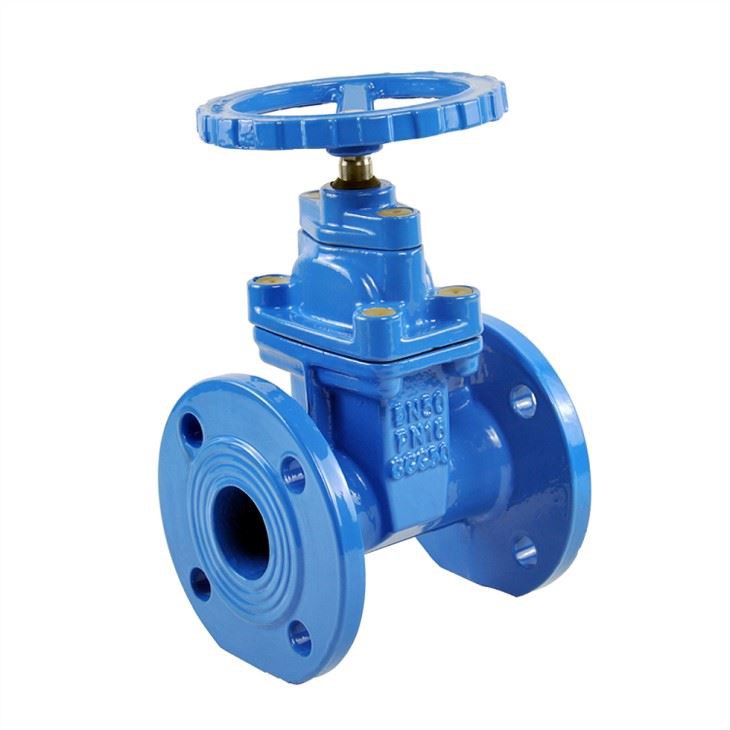
In the mining industry, Knife Gate Valves with well - designed bonnets are crucial. The bonnets need to be able to withstand the abrasive and corrosive nature of the materials being handled, such as slurries. A stainless - steel or ductile - iron bonnet with a good sealing mechanism is often used. The bolts in bolted bonnets need to be made of high - strength materials to resist the vibrations and impacts that are common in mining operations. Manufacturers Ductile Iron Resilient Flanged Gate Valve can be a good option for some mining applications.
Water Treatment Plants
Water treatment plants require valves that can handle both clean and dirty water. The valve bonnet design needs to ensure a leak - free operation to prevent contamination. A bolted bonnet with a rubber gasket seal is often used in these applications. It's easy to maintain and provides a good seal against water. The bonnet should also be resistant to the chemicals used in the water treatment process.

Pulp and Paper Industry
The pulp and paper industry deals with fibrous materials and chemicals. Knife Gate Valves with proper bonnet designs are used to control the flow of pulp and other liquids. The bonnet needs to be corrosion - resistant and able to handle the high - pressure conditions. Stainless - steel bonnets are commonly used in this industry. A pressure - sealed bonnet design may be used for high - pressure sections of the process.
Why Choose Our Knife Gate Valves
As a Knife Gate Valve supplier, we put a lot of effort into our valve bonnet designs. We understand that the right bonnet design can make all the difference in the performance and lifespan of the valve. Our team of experts carefully selects the materials and designs for each application. Whether you need a bolted bonnet for easy maintenance or a pressure - sealed bonnet for high - pressure applications, we've got you covered.
If you're in the market for Knife Gate Valves, I encourage you to get in touch with us. We'd be happy to discuss your specific requirements and find the perfect valve solution for you. We can provide you with detailed information on the bonnet design and how it meets your needs. Let's work together to ensure the smooth operation of your industrial processes.
References
- Valve Handbook, by Patrick Hunt
- Industrial Valves: Selection Handbook, by R. K. Sinha