Hey there! As a globe valve supplier, I often get asked if a globe valve can be used in a vacuum system. It's a great question, and in this blog, I'll share my insights based on years of experience in the valve industry.
First off, let's understand what a vacuum system is. A vacuum system operates at a pressure lower than the ambient atmospheric pressure. These systems are used in a wide range of industries, from semiconductor manufacturing to food processing. In these applications, precise control of fluid flow and pressure is crucial, and that's where valves come in.
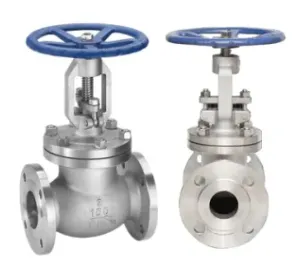
Now, let's talk about globe valves. Globe valves are known for their excellent throttling capabilities. They have a disc that moves perpendicular to the seat, allowing for fine - tuned control of the flow rate. This makes them a popular choice in many fluid control applications. But can they hold up in a vacuum system?
The short answer is yes, a globe valve can be used in a vacuum system, but there are some important factors to consider.
Sealing Performance
One of the most critical aspects in a vacuum system is the sealing performance of the valve. In a vacuum, any leakage can disrupt the system's operation and reduce its efficiency. Globe valves typically use a soft or metal - to - metal seal. Soft seals, like those made of rubber or PTFE, can provide a good seal at lower vacuum levels. However, they may have limitations in high - vacuum applications due to outgassing, which is the release of gas from the material.
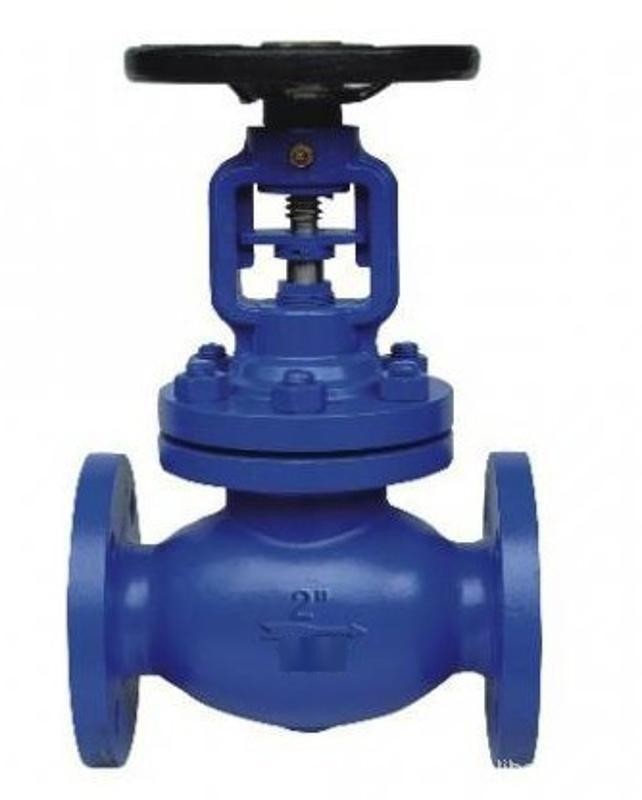
Metal - to - metal seals, on the other hand, are more suitable for high - vacuum systems. They can withstand higher temperatures and pressures and have lower outgassing rates. For example, our Bellows Globe Valve uses a bellows seal, which provides an excellent hermetic seal. The bellows acts as a flexible barrier, preventing any leakage between the valve stem and the bonnet, making it ideal for vacuum applications.
Valve Design and Construction
The design and construction of the globe valve also play a significant role in its suitability for a vacuum system. The valve body should be able to withstand the pressure differential between the vacuum side and the outside environment. A well - constructed valve will have a robust body that can prevent any deformation or cracking under vacuum conditions.
The valve's internal components, such as the disc and seat, should also be carefully designed. A properly machined seat ensures a tight seal with the disc, minimizing leakage. Our Type B Screw Globe Valve is designed with precision - machined components, which not only provides excellent flow control but also ensures a reliable seal in vacuum systems.
Flow Characteristics
In a vacuum system, the flow characteristics of the valve are important. Globe valves have a relatively high pressure drop compared to some other types of valves, like ball valves. However, this can be an advantage in some cases, as it allows for more precise flow control.
When selecting a globe valve for a vacuum system, you need to consider the required flow rate and the allowable pressure drop. If the system requires a high flow rate with a low pressure drop, you may need to choose a larger - sized globe valve or a different valve type. But if precise flow control is the priority, a globe valve can be an excellent choice.
Material Compatibility
The materials used in the valve construction must be compatible with the fluids and gases in the vacuum system. In some vacuum applications, the system may handle corrosive substances or high - purity gases. In such cases, the valve materials should be resistant to corrosion and contamination.
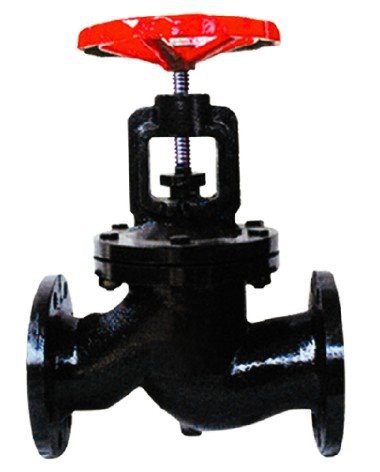
For example, our Cast Iron Flange Globe Valve is made of high - quality cast iron, which is suitable for many general - purpose vacuum applications. However, for more corrosive environments, we also offer valves made of stainless steel or other corrosion - resistant materials.
Installation and Maintenance
Proper installation and maintenance are essential for the reliable operation of a globe valve in a vacuum system. During installation, the valve should be carefully aligned and tightened to ensure a proper seal. Any misalignment or loose connections can lead to leakage.
Regular maintenance is also necessary to keep the valve in good working condition. This includes inspecting the seals, lubricating the moving parts, and checking for any signs of wear or damage. By following the manufacturer's installation and maintenance guidelines, you can extend the service life of the valve and ensure the efficient operation of the vacuum system.
In conclusion, a globe valve can be a suitable choice for a vacuum system, but you need to consider factors such as sealing performance, valve design, flow characteristics, material compatibility, and installation and maintenance. As a globe valve supplier, we offer a wide range of valves that are designed to meet the specific requirements of vacuum applications.
If you're in the market for a globe valve for your vacuum system, I'd love to help. Whether you need more information about our products or want to discuss your specific application, feel free to reach out. We can work together to find the best valve solution for your needs. Let's start a conversation and see how we can make your vacuum system operate at its best.
References
- ASME B16.34 - Valve Flanges and Fittings
- API 600 - Steel Gate, Globe, and Check Valves
- ISO 5208 - Industrial Valves - Pressure Testing of Valves