Hey there! As a supplier of Knife Gate Valves, I've seen firsthand the importance of efficiency in these valves. Whether you're in the mining, pulp and paper, or wastewater treatment industry, having a high - efficiency Knife Gate Valve can save you time, money, and a whole lot of headaches. In this blog, I'll share some tips on how to improve the efficiency of a Knife Gate Valve.
1. Proper Selection of the Valve
First things first, choosing the right Knife Gate Valve for your specific application is crucial. You need to consider factors like the type of media flowing through the valve. Is it a thick slurry, a corrosive chemical, or just regular water? Different media require different valve materials and designs.
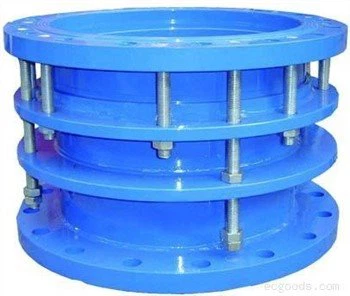
For example, if you're dealing with a highly corrosive substance, you'll want a valve made of corrosion - resistant materials. Some of our great options include the Manufacturers Ductile Iron Resilient Flanged Gate Valve. This valve is made of ductile iron, which offers good strength and corrosion resistance. It also has a resilient seat design that helps with a tight shut - off, improving its overall efficiency.
The size of the valve also matters. A valve that's too small can cause high - pressure drops and flow restrictions, while a valve that's too large can be wasteful and may not operate effectively. You need to calculate the required flow rate and pressure for your system and then select a valve with the appropriate size and rating.
2. Regular Maintenance
Maintenance is key to keeping your Knife Gate Valve running efficiently. Just like any other piece of equipment, valves need some TLC.
Inspect the valve regularly for signs of wear and tear. Check the gate, seat, and seals for any damage. If you notice any leaks or abnormal noises during operation, it's a sign that something might be wrong. For instance, a leaking valve not only wastes the media flowing through it but can also cause damage to the surrounding equipment.
Clean the valve components. Over time, debris and sediment can build up inside the valve, affecting its performance. You can use appropriate cleaning agents to remove any build - up. However, make sure the cleaning agents are compatible with the valve materials to avoid any damage.
Lubricate the moving parts. The stem and the gate of the Knife Gate Valve need to move smoothly. Applying the right lubricant can reduce friction, making the valve easier to operate and increasing its lifespan.


3. Upgrading the Valve
Sometimes, upgrading your existing Knife Gate Valve can significantly improve its efficiency. There are various ways to do this.
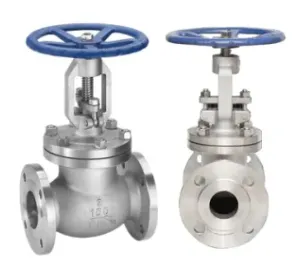
You can upgrade the sealing technology. A better seal means less leakage, which directly translates to better efficiency. For example, switching to a valve with a more advanced sealing material or design can make a big difference. Our F4 Gate Valve F4 is known for its excellent sealing performance. It uses high - quality materials that ensure a tight seal, even under high - pressure conditions.
Another option is to install an actuator. An actuator can automate the operation of the valve, allowing for more precise control. You can set it to open or close the valve at specific times or in response to certain conditions, like changes in pressure or flow rate. This not only improves efficiency but also reduces the need for manual intervention, saving labor costs.
4. System Integration
Integrating the Knife Gate Valve into your overall system correctly is also important for efficiency.
Ensure that the valve is installed in the right orientation. Most Knife Gate Valves are designed to be installed in a specific way, and installing them incorrectly can lead to poor performance. For example, the valve should be installed so that the flow direction is in line with the valve's design.
Coordinate the valve with other components in the system. The valve should work in harmony with pumps, pipes, and other equipment. For instance, if the pump is delivering a high - flow rate, the valve should be able to handle it without causing excessive pressure drops. You may need to adjust the settings of other components or select a valve with the appropriate capacity to achieve this.
5. Training for Operators
Your operators play a vital role in the efficiency of the Knife Gate Valve. Make sure they are well - trained on how to operate and maintain the valve.
Provide them with detailed training on the valve's operation, including how to open and close it properly, how to monitor its performance, and how to troubleshoot common issues. A well - trained operator can spot problems early and take appropriate action, preventing major breakdowns and keeping the valve running smoothly.
Encourage them to follow the maintenance schedule and safety procedures. Regular maintenance is essential, and operators need to understand the importance of it. Safety procedures are also crucial to prevent accidents and ensure the longevity of the valve.
6. Monitoring and Analytics
Use monitoring tools to keep an eye on the valve's performance. You can install sensors to measure parameters like pressure, flow rate, temperature, and valve position. These sensors can provide real - time data that you can analyze to identify any potential issues.
For example, if you notice a sudden drop in flow rate or an increase in pressure, it could indicate a problem with the valve, such as a blockage or a worn - out seal. By analyzing this data, you can take proactive measures to address the issue before it gets worse.
Some advanced monitoring systems can even predict when maintenance is required based on the valve's usage patterns and performance data. This predictive maintenance approach can save you a lot of time and money by preventing unexpected breakdowns.
Conclusion
Improving the efficiency of a Knife Gate Valve is a multi - faceted process. It involves proper selection, regular maintenance, upgrading when necessary, correct system integration, training of operators, and effective monitoring. By following these tips, you can ensure that your Knife Gate Valve operates at its best, saving you time and money in the long run.
If you're interested in learning more about our Knife Gate Valves or have any questions about improving valve efficiency, feel free to reach out. We're here to help you find the best solutions for your needs. Whether you're looking to replace an old valve or optimize your existing system, we've got the expertise and the products to make it happen. Let's have a chat and see how we can work together to enhance your operations.
References
- Valve Handbook, various industry experts
- Manufacturer's guides for Knife Gate Valves