Hey there! As a supplier of parallel gate valves, I often get asked if these valves can be used for corrosive fluids. It's a super important question, especially when you're dealing with chemicals and other substances that can eat away at your equipment. So, let's dive right in and take a closer look at this topic.
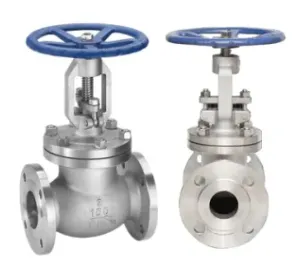
First off, let's understand what a parallel gate valve is. It's a type of valve that uses two parallel discs to control the flow of fluid. When the valve is open, the discs are retracted into the valve body, allowing the fluid to pass through freely. When it's closed, the discs come together to block the flow. These valves are known for their simple design, low pressure drop, and ability to handle large volumes of fluid.
Now, the big question: Can they handle corrosive fluids? Well, the answer isn't a simple yes or no. It depends on a few factors.
Material Matters
The material of the valve is crucial when dealing with corrosive fluids. Different corrosive substances react differently with various materials. For example, if you're dealing with mild acids, a valve made of stainless steel might do the trick. Stainless steel has a good resistance to many common acids and can withstand the corrosive effects to a certain extent.
However, if you're working with highly concentrated acids or other extremely corrosive chemicals, you might need to look into more specialized materials. Some options include Hastelloy, which is known for its excellent resistance to a wide range of corrosive environments, including strong acids and oxidizing agents. Titanium is another great choice, especially for applications where you need high corrosion resistance in chloride-containing environments.
As a supplier, I always make sure to offer a variety of material options for our parallel gate valves. This way, customers can choose the one that best suits their specific corrosive fluid requirements. For instance, we have Bevel Gear Flanged Gate Valve Z541H available in different materials, so you can pick the one that's right for your corrosive application.
Coating and Linings
In addition to the base material, coatings and linings can also play a significant role in protecting the valve from corrosion. A good coating can act as a barrier between the corrosive fluid and the valve body, preventing direct contact and reducing the risk of corrosion.
For example, epoxy coatings are commonly used to protect valves from a variety of corrosive substances. They provide a durable and chemical-resistant layer that can extend the life of the valve. Another option is rubber linings, which are great for applications where you need to protect the valve from abrasion as well as corrosion.
Our Manual Lug Type Knife Gate Valve can be customized with different coatings and linings depending on the corrosive fluid it will be handling. This gives our customers more flexibility and ensures that the valve will perform well in their specific environment.
Operating Conditions
The operating conditions also have an impact on the valve's ability to handle corrosive fluids. Factors such as temperature, pressure, and flow rate can all affect the corrosion rate.
Higher temperatures generally increase the rate of corrosion, so if you're working with a corrosive fluid at elevated temperatures, you'll need to choose a valve material and design that can withstand those conditions. Similarly, high pressures can put more stress on the valve, which might also affect its corrosion resistance.
Flow rate is another important factor. A high flow rate can cause erosion and abrasion, which can accelerate the corrosion process. In such cases, you might need to consider a valve with a more robust design and better erosion resistance.
Maintenance and Inspection
Regular maintenance and inspection are essential when using parallel gate valves for corrosive fluids. Even the most corrosion-resistant valves will eventually show signs of wear and tear over time. By performing routine maintenance, you can catch any potential problems early and take corrective action before they become major issues.
Inspection should include checking for signs of corrosion, such as pitting, rust, or discoloration. You should also inspect the valve's seals and gaskets to make sure they're in good condition and not allowing any leaks. If you notice any problems during the inspection, it's important to address them immediately.
We also offer support and guidance on maintenance and inspection for our valves. We want our customers to get the most out of their parallel gate valves, especially when using them in corrosive environments.
Case Studies
Let me share a couple of real-life examples to give you a better idea of how parallel gate valves can be used for corrosive fluids.


One of our customers was a chemical processing plant that needed to control the flow of a highly corrosive acid. They initially used a standard valve that wasn't designed for such a harsh environment, and they were experiencing frequent valve failures due to corrosion. After consulting with us, we recommended our Cast Iron Brass Sealed Rising Stem Gate Valves made of a special alloy that was highly resistant to the acid. We also suggested applying a protective coating to further enhance the valve's corrosion resistance.
The customer installed the new valves, and they've been working great ever since. They've significantly reduced their maintenance costs and downtime, which has had a positive impact on their overall production efficiency.
Another customer was in the wastewater treatment industry. They were using parallel gate valves to control the flow of a corrosive wastewater stream. By choosing the right valve material and implementing a regular maintenance schedule, they were able to keep their valves in good working condition for a long time. This has helped them save money on valve replacements and ensure the smooth operation of their treatment process.
Conclusion
So, to answer the question, yes, a parallel gate valve can be used for corrosive fluids, but it all comes down to making the right choices. By considering factors such as material, coating, operating conditions, and maintenance, you can select a parallel gate valve that will perform well in your specific corrosive environment.
If you're in the market for a parallel gate valve for a corrosive fluid application, don't hesitate to reach out. We have a wide range of valves to choose from, and our team of experts is always here to help you find the perfect solution for your needs. Whether you need more information about our products, help with valve selection, or advice on maintenance, we're just a message away. Let's start a conversation and see how we can work together to meet your requirements.
References
- Valve Handbook, by J. H. Perry
- Corrosion Engineering Handbook, by B. D. Craig