Ensuring the proper alignment of a rubber elbow during installation is crucial for its performance and longevity. As a trusted rubber elbow supplier, we understand the significance of this process and are here to share our expertise on how to achieve optimal alignment.
Understanding the Importance of Alignment
Proper alignment of a rubber elbow is essential for several reasons. Firstly, it ensures smooth and efficient fluid or gas flow through the pipeline. Misaligned rubber elbows can cause turbulence, which may lead to increased pressure drop, reduced flow rates, and potential damage to the pipeline system. Secondly, correct alignment helps to minimize stress on the rubber elbow and its connections. This reduces the risk of premature wear and tear, leaks, and failures, ultimately extending the service life of the elbow and the entire pipeline.
Pre - installation Preparation
Before installing the rubber elbow, a series of preparatory steps should be taken to ensure proper alignment.
- Inspect the Pipeline and Elbow: Thoroughly examine the pipeline where the rubber elbow will be installed. Check for any signs of damage, corrosion, or irregularities. Similarly, inspect the rubber elbow itself for any manufacturing defects, such as cracks, tears, or uneven surfaces. Make sure the dimensions of the elbow match the pipeline requirements precisely.
- Clean the Surfaces: Clean the mating surfaces of the pipeline and the rubber elbow. Remove any dirt, debris, rust, or grease. A clean surface ensures a better seal and proper connection, which is essential for alignment.
- Mark the Pipeline: Use measuring tools to mark the exact location where the rubber elbow will be installed on the pipeline. This provides a clear guide during the installation process and helps to ensure accurate alignment.
Alignment Techniques
There are several techniques that can be employed to ensure the proper alignment of a rubber elbow during installation.
- Visual Inspection and Manual Alignment: In many cases, visual inspection is the first step in alignment. Stand back and look at the pipeline and the rubber elbow to ensure that they are in a straight line or at the correct angle. Use your hands to adjust the position of the elbow gently until it appears to be properly aligned. This method is simple but requires a trained eye and some experience.
- Using Alignment Tools: For more precise alignment, alignment tools such as laser alignment devices can be used. These tools project a laser beam that helps to establish a straight reference line. By aligning the rubber elbow with the laser beam, you can achieve a high level of accuracy. Another useful tool is a spirit level, which can be placed on the rubber elbow to ensure that it is horizontal or vertical as required.
- Flange Alignment: If the rubber elbow has flanges, proper flange alignment is crucial. Use flange alignment pins or bolts to hold the flanges in place during installation. Make sure the bolt holes in the flanges of the elbow and the pipeline are perfectly aligned. Misaligned flanges can cause uneven stress distribution and leaks. To check the flange alignment, you can use a feeler gauge to measure the gap between the flanges around the circumference.
Considerations for Different Installation Environments
The installation environment can have an impact on the alignment of the rubber elbow.
- Indoor Installations: In indoor settings, the environment is usually more controlled. However, factors such as limited space and existing structures may pose challenges. Make sure to plan the installation carefully to avoid any obstacles that could prevent proper alignment.
- Outdoor Installations: Outdoor installations are subject to environmental factors such as wind, temperature changes, and uneven ground. These factors can affect the alignment of the rubber elbow. For example, high winds may cause the pipeline to sway, making it difficult to maintain alignment. In such cases, it may be necessary to use temporary supports or braces to hold the pipeline and the elbow in place during installation.
Common Alignment Issues and Solutions
Despite taking all the necessary precautions, alignment issues may still occur during installation. Here are some common problems and their solutions.
- Angular Misalignment: This occurs when the rubber elbow is not at the correct angle with respect to the pipeline. To correct angular misalignment, you can use adjustable clamps or brackets to hold the elbow in the correct position. Make small adjustments gradually until the desired angle is achieved.
- Parallel Misalignment: Parallel misalignment happens when the centerlines of the rubber elbow and the pipeline are not parallel. This can be corrected by using shims or spacers to adjust the position of the elbow. Place the shims between the flanges or under the elbow to bring it into parallel alignment.
- Offset Misalignment: Offset misalignment means that the rubber elbow is shifted laterally with respect to the pipeline. To fix this issue, you can use jacks or hydraulic tools to move the elbow back into the correct position.
Post - installation Checks
After the rubber elbow is installed, it is important to perform post - installation checks to ensure that the alignment is still correct.
- Pressure Testing: Conduct a pressure test on the pipeline system. This helps to detect any leaks or misalignments that may have occurred during installation. If there are leaks, it may indicate that the alignment is not proper and further adjustments may be required.
- Visual Inspection: Once again, visually inspect the rubber elbow and its connections. Look for any signs of stress, deformation, or misalignment. Check the flanges for tightness and the overall appearance of the installation.
- Operational Checks: Run the pipeline system under normal operating conditions. Monitor the flow rate, pressure, and other parameters. Any abnormal readings may suggest alignment issues that need to be addressed.
Related Products and Their Role in Alignment
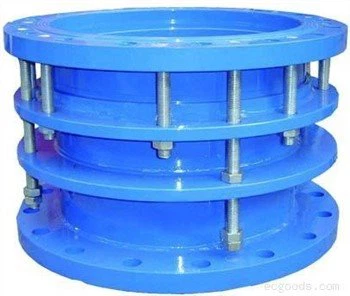
As a rubber elbow supplier, we also offer related products that can assist in the alignment process. For example, Flange Pipe Expansion Joint can help to compensate for any minor misalignments and movements in the pipeline system. These expansion joints are designed to absorb thermal expansion, vibration, and shock, which can all affect the alignment of the rubber elbow. Similarly, Double Flange Expansion Joint provides additional flexibility and can help to maintain proper alignment in complex pipeline systems.
Conclusion
Ensuring the proper alignment of a rubber elbow during installation is a critical process that requires careful planning, the use of appropriate techniques and tools, and thorough post - installation checks. As a reliable rubber elbow supplier, we are committed to providing high - quality products and sharing our knowledge to help our customers achieve successful installations. If you are in the market for rubber elbows or need more information on alignment techniques, please feel free to contact us for procurement and further discussions. We are here to assist you in every step of your pipeline project.


References
- Pipeline Installation Handbook.
- Rubber Elbow Manufacturer's Technical Guides.
- Industry Standards for Pipeline Alignment.