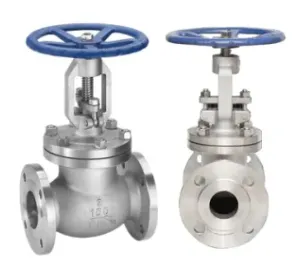
The service life of a flat gate valve is a crucial factor that both suppliers and users need to understand thoroughly. As a flat gate valve supplier, I am often asked about how long these valves can last. In this blog, I will delve into the various aspects that influence the service life of flat gate valves and provide some insights on how to extend their operational lifespan.
Factors Affecting the Service Life of Flat Gate Valves
Material Quality
The materials used in the construction of a flat gate valve play a fundamental role in determining its service life. High - quality materials can withstand harsh operating conditions, corrosion, and wear better than inferior ones. For example, valves made from stainless steel are known for their excellent corrosion resistance. In applications where the fluid contains corrosive substances such as acids or salts, a stainless - steel flat gate valve will generally have a longer service life compared to a valve made from a less corrosion - resistant material like carbon steel.
Carbon steel valves are more commonly used in general applications where the fluid is relatively clean and non - corrosive. However, in environments with high humidity or exposure to certain chemicals, carbon steel may rust over time, which can lead to valve failure. On the other hand, alloy - based materials can offer enhanced strength and durability, making them suitable for high - pressure and high - temperature applications.
Operating Conditions
The operating conditions under which a flat gate valve is used have a significant impact on its service life. Pressure, temperature, and the nature of the fluid being controlled are key factors. In high - pressure applications, the valve components are subjected to greater stress. If the valve is not designed to handle the specific pressure levels, it may experience leakage or structural damage over time.
Similarly, extreme temperatures can also affect the performance of a flat gate valve. High temperatures can cause the materials to expand, which may lead to changes in the valve's dimensions and affect its sealing performance. Low temperatures, on the other hand, can make the materials brittle, increasing the risk of cracking.
The nature of the fluid flowing through the valve is another critical factor. Fluids with high particulate content can cause abrasion on the valve seats and gates, leading to premature wear. For instance, in mining or wastewater treatment applications, where the fluid may contain sand, gravel, or other solid particles, the valve is more likely to experience wear and tear. In contrast, valves used in clean water systems typically have a longer service life due to the absence of abrasive particles.
Maintenance and Installation
Proper maintenance and installation are essential for maximizing the service life of a flat gate valve. Incorrect installation can lead to misalignment of the valve components, which can cause uneven stress distribution and premature failure. For example, if the valve is not installed in a straight pipe section or if the flange connections are not properly tightened, it may result in leakage or reduced valve performance.
Regular maintenance, including lubrication, inspection, and replacement of worn parts, can significantly extend the service life of a flat gate valve. Lubrication of the valve stem and other moving parts reduces friction, which helps to prevent wear and ensures smooth operation. Inspections should be carried out periodically to check for signs of corrosion, wear, or damage. Worn seals, gaskets, or other components should be replaced promptly to prevent leakage and maintain the valve's performance.


Typical Service Life Expectations
The service life of a flat gate valve can vary widely depending on the factors mentioned above. In general, for well - maintained valves used in normal operating conditions (moderate pressure, temperature, and clean fluid), the service life can range from 10 to 20 years. However, in more demanding applications, such as high - pressure, high - temperature, or corrosive environments, the service life may be significantly shorter, perhaps 5 to 10 years or even less.
For example, a Manual Rising Stem Knife Gate Valves used in a clean water distribution system with proper maintenance may last up to 20 years. On the other hand, the same type of valve used in a chemical processing plant where it is exposed to corrosive chemicals may have a service life of only 5 to 7 years.
Extending the Service Life of Flat Gate Valves
Selecting the Right Valve
Choosing the appropriate flat gate valve for the specific application is the first step in extending its service life. Consider the pressure, temperature, and fluid characteristics of the system. For high - pressure applications, select a valve with a higher pressure rating. In corrosive environments, opt for valves made from corrosion - resistant materials.
Regular Monitoring
Implement a regular monitoring program to keep track of the valve's performance. This can include monitoring pressure, temperature, and flow rate. Any significant changes in these parameters may indicate a problem with the valve. Additionally, visual inspections should be carried out to check for signs of leakage, corrosion, or wear.
Training and Education
Ensure that the personnel responsible for operating and maintaining the flat gate valves are properly trained. They should understand the correct operating procedures, maintenance requirements, and safety precautions. This can help to prevent improper use of the valves, which can lead to premature failure.
Conclusion
The service life of a flat gate valve is influenced by multiple factors, including material quality, operating conditions, maintenance, and installation. As a flat gate valve supplier, I understand the importance of providing high - quality valves and offering guidance on how to maximize their service life. By selecting the right valve for the application, implementing proper maintenance and monitoring procedures, and providing training to the end - users, we can ensure that our flat gate valves perform reliably for an extended period.
If you are in the market for flat gate valves or need more information about their service life and application, please feel free to contact us for a detailed discussion and procurement negotiation. We are committed to providing you with the best solutions to meet your specific needs.
References
- ASME Boiler and Pressure Vessel Code
- API (American Petroleum Institute) Standards for Valves
- ISO (International Organization for Standardization) Standards related to Valves