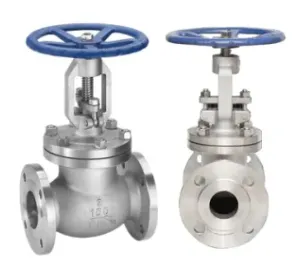
Testing a gate valve is a crucial step to ensure its proper functioning and reliability. As a gate valve supplier, I've seen firsthand how important it is to carry out these tests correctly. In this blog, I'll share some practical ways to test a gate valve, which will help you determine if the valve you're using or considering purchasing meets the required standards.
Visual Inspection
The first step in testing a gate valve is a visual inspection. This is a simple yet effective way to spot any obvious issues. Check the valve body for any signs of cracks, dents, or corrosion. Cracks can lead to leaks, and dents might affect the valve's operation. Corrosion, especially in areas like the stem and the gate, can cause the valve to seize up or not close properly.
Also, take a look at the valve's connections. Make sure the flanges are aligned correctly and that the bolts are tightened evenly. Loose bolts can cause leaks at the connection points. Inspect the packing gland as well. If the packing is damaged or worn out, it can lead to external leakage around the stem.
Manual Operation Test
Once the visual inspection is done, it's time to perform a manual operation test. This involves opening and closing the valve by hand. Use the valve's operating mechanism, whether it's a handwheel, a lever, or a gearbox. Turn the handwheel or operate the lever slowly and smoothly.
As you operate the valve, pay attention to how it feels. There should be a consistent and smooth movement. If you feel any resistance, jerking, or if the valve gets stuck at any point, there could be an issue. For example, debris inside the valve or damage to the gate or the seat can cause these problems.
During the manual operation, also listen for any unusual noises. Grinding, rattling, or clicking sounds can indicate internal damage or misalignment. If you notice any of these issues, further investigation is needed.
Pressure Testing
Pressure testing is a critical part of gate valve testing. It helps to ensure that the valve can withstand the pressure it will be subjected to in its intended application. There are two main types of pressure tests: hydrostatic testing and pneumatic testing.
Hydrostatic Testing
Hydrostatic testing involves filling the valve with a liquid, usually water, and applying pressure. This is the most common method because water is incompressible, which makes it easier to control the pressure.
To perform a hydrostatic test, first, close the valve and isolate it from the system. Then, fill the valve with water and remove any air pockets. Use a pressure pump to gradually increase the pressure to the specified test pressure. The test pressure is typically higher than the valve's normal operating pressure.
Hold the pressure for a specified period, usually around 10 to 30 minutes. During this time, check for any leaks. Look for water dripping or spraying from the valve body, the connections, or around the stem. If there are any leaks, the valve fails the test and needs to be repaired or replaced.
Pneumatic Testing
Pneumatic testing uses a gas, usually air, to apply pressure. This method is less common than hydrostatic testing because gases are compressible, which makes it more difficult to control the pressure. However, pneumatic testing can be useful in situations where water cannot be used, such as in applications where moisture can cause damage.
The process is similar to hydrostatic testing. Close the valve, isolate it, and then introduce air into the valve using a compressor. Increase the pressure gradually to the test pressure and hold it for the specified time. Check for leaks using a soap solution. Apply the soap solution to all the potential leak points, and if there are any leaks, bubbles will form.


Seat Leakage Test
The seat leakage test is used to determine if the valve can provide a tight seal when closed. This is important because a leaking valve can lead to loss of product, reduced efficiency, and potential safety hazards.
There are different methods to perform a seat leakage test. One common method is the bubble test. After closing the valve and applying pressure, immerse the valve in water or apply a soap solution to the seat area. If there are any leaks, bubbles will form, indicating that the seat is not sealing properly.
Another method is to use a pressure gauge to measure the pressure drop across the valve. If the pressure drops over time, it means there is leakage through the seat. The allowable leakage rate depends on the valve's specifications and the application requirements.
Material and Design Considerations
When testing a gate valve, it's also important to consider the valve's material and design. Different materials have different properties and are suitable for different applications. For example, a Bevel Gear Flanged Gate Valve Z541H is designed with a bevel gear mechanism for efficient operation, and it's made of materials that can withstand certain pressures and temperatures.
The F4 Gate Valve F4 might have specific features related to its F4 material, which could affect its performance and testing requirements. Similarly, American Standard Flanged Gate Valves are designed according to American standards, and their testing should comply with those standards.
Conclusion
Testing a gate valve is a multi - step process that requires careful attention to detail. By performing visual inspections, manual operation tests, pressure tests, and seat leakage tests, you can ensure that the valve is in good working condition.
As a gate valve supplier, I understand the importance of providing high - quality valves that meet the needs of our customers. If you're in the market for a gate valve or need help with valve testing, feel free to reach out to us. We're here to assist you with all your gate valve requirements and ensure that you get the best product for your application.
References
- Valve Testing Standards and Procedures, Industry Publications
- Gate Valve Manufacturer's Manuals