Can a parallel gate valve be used in a steam system? This is a question that often arises among engineers, technicians, and those involved in the operation and maintenance of steam systems. As a supplier of parallel gate valves, I am well - versed in the capabilities and limitations of these valves in various applications, including steam systems.
Understanding Parallel Gate Valves
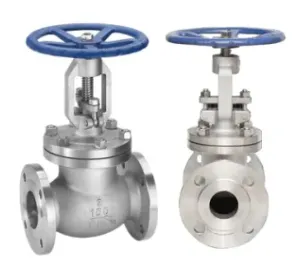
Parallel gate valves are a type of valve commonly used in fluid control systems. They consist of two parallel discs that move perpendicular to the flow direction to open or close the valve. The design of parallel gate valves offers several advantages. Firstly, they provide a full - bore opening when fully open, which means there is minimal resistance to the flow of the fluid. This results in low pressure drop across the valve, making them energy - efficient in applications where large volumes of fluid need to be transported.
Secondly, parallel gate valves have a simple and robust construction. The parallel discs are relatively easy to manufacture and maintain. They are also less prone to wear and tear compared to some other types of valves, which can lead to a longer service life.
Steam Systems: Characteristics and Requirements
Steam systems are complex and have unique characteristics. Steam is a high - energy fluid that can operate at high temperatures and pressures. In a steam system, the valve must be able to withstand these extreme conditions without leaking or failing. The valve should also be able to open and close quickly and precisely to control the flow of steam effectively.
One of the key challenges in steam systems is the phenomenon of water hammer. Water hammer occurs when the flow of steam is suddenly stopped or changed, causing a shock wave in the system. This can lead to significant damage to the pipes, valves, and other components in the system. Therefore, the valve used in a steam system must be able to prevent or minimize the effects of water hammer.
Suitability of Parallel Gate Valves in Steam Systems
Parallel gate valves can be used in steam systems, but several factors need to be considered.
Temperature and Pressure Resistance
Parallel gate valves are available in a variety of materials, such as carbon steel, stainless steel, and alloy steel. These materials can withstand high temperatures and pressures commonly found in steam systems. For example, carbon steel parallel gate valves can typically handle temperatures up to 425°C and pressures up to a certain limit, depending on the valve's design and rating. Stainless steel and alloy steel valves can offer even higher temperature and pressure resistance, making them suitable for more demanding steam applications.
Sealing Performance
In a steam system, a good sealing performance is crucial to prevent steam leakage. Parallel gate valves are designed to provide a tight seal when closed. The parallel discs are forced against the valve seats by the fluid pressure, creating a reliable seal. However, over time, the seats and discs may wear, especially in high - velocity steam applications. Regular maintenance and inspection are required to ensure the sealing performance of the valve.


Water Hammer Prevention
As mentioned earlier, water hammer is a major concern in steam systems. Parallel gate valves can be designed with features to reduce the risk of water hammer. For example, some parallel gate valves are equipped with slow - closing mechanisms that gradually reduce the flow of steam, preventing sudden changes in flow velocity. This helps to minimize the shock waves caused by water hammer.
Advantages of Using Parallel Gate Valves in Steam Systems
- Low Pressure Drop: As mentioned before, the full - bore opening of parallel gate valves results in low pressure drop. In a steam system, this means that less energy is wasted in overcoming the resistance of the valve, leading to improved energy efficiency.
- Reliability: The simple and robust design of parallel gate valves makes them reliable in steam applications. They are less likely to fail due to mechanical problems, which is essential for the continuous operation of a steam system.
- Versatility: Parallel gate valves can be used in a wide range of steam applications, from small - scale industrial processes to large - scale power generation plants. They can be customized to meet the specific requirements of different steam systems.
Limitations and Considerations
- Limited Throttling Ability: Parallel gate valves are not well - suited for throttling applications. Throttling involves partially opening the valve to control the flow rate. In a parallel gate valve, partial opening can cause the discs to vibrate, leading to premature wear and damage. Therefore, if throttling is required in a steam system, other types of valves, such as globe valves, may be more appropriate.
- Installation and Maintenance: Proper installation and maintenance are crucial for the performance of parallel gate valves in steam systems. Incorrect installation can lead to leakage and other problems. Regular maintenance, including inspection of the seats, discs, and packing, is necessary to ensure the valve's long - term reliability.
Our Product Range
As a parallel gate valve supplier, we offer a wide range of products to meet the diverse needs of steam systems. Our product range includes American Standard Flanged Gate Valves, which are designed according to American standards and are suitable for various steam applications. We also have Manual Rising Stem Knife Gate Valves and Knife Gate Valve, which can be used in specific steam applications where a more specialized valve design is required.
Conclusion
In conclusion, parallel gate valves can be used in steam systems, provided that the appropriate valve is selected based on the specific requirements of the system. They offer several advantages, such as low pressure drop, reliability, and versatility. However, their limitations, such as limited throttling ability, need to be considered.
If you are in the market for parallel gate valves for your steam system, we are here to help. Our team of experts can provide you with professional advice and guidance on selecting the right valve for your application. We are committed to providing high - quality products and excellent customer service. Contact us to start a procurement discussion and find the best solution for your steam system.
References
- "Valve Handbook" by J. Bjorkman
- "Steam Engineering Handbook" by R. D. Smith
- Technical literature from valve manufacturers