Hey there! As a supplier of Knife Gate Valves, I often get asked about the torque requirements for operating these valves. It's a crucial aspect that can significantly impact the performance and longevity of the valve. So, let's dive right in and break it down.
First off, what exactly is torque? Well, torque is the measure of the force that can cause an object to rotate around an axis. In the context of a Knife Gate Valve, it's the amount of force needed to open or close the valve. It's measured in pound - feet (lb - ft) or newton - meters (N - m).
Now, the torque requirement for operating a Knife Gate Valve isn't a one - size - fits - all kind of thing. There are several factors that come into play.
Valve Size
One of the most obvious factors is the size of the valve. Generally speaking, larger valves require more torque to operate. This is because a bigger valve has a larger gate and more surface area that comes in contact with the fluid or media it's controlling. For example, a 12 - inch Knife Gate Valve will need more torque to open and close compared to a 2 - inch one. The larger the diameter of the valve, the greater the force needed to move the gate against the pressure exerted by the fluid.
Pressure Rating
The pressure within the pipeline also has a huge impact on the torque requirement. Higher pressure means there's more force pushing against the gate of the Knife Gate Valve. So, a valve installed in a high - pressure system will need more torque to overcome that pressure and open or close properly. If you're dealing with a system that has a pressure rating of say, 150 psi, the torque needed will be different compared to a system with a much higher pressure rating of 300 psi.
Type of Media
The type of fluid or media flowing through the valve matters too. If it's a thick, viscous fluid like sludge or pulp, it will offer more resistance to the movement of the gate. This means you'll need more torque to operate the valve. On the other hand, if the media is a thin liquid like water, the torque requirement will be relatively lower. The friction between the media and the gate plays a significant role in determining how much force is needed to make the valve work.
Sealing Characteristics
The design and quality of the valve's seal also affect the torque requirements. A well - designed and tight - fitting seal can prevent leakage, but it may also increase the amount of torque needed to operate the valve. For instance, some Knife Gate Valves have a resilient seat that provides a better seal. However, this resilient seat can add a bit of extra friction, which means more torque is required to move the gate.
Stem Design
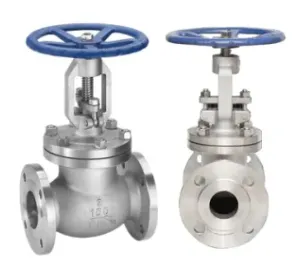
The stem of the Knife Gate Valve is what transfers the rotational force to the gate. There are different types of stems, like non - rising stems. A Non - rising Stem Gate Valve has its own unique characteristics when it comes to torque. Since the stem doesn't rise as the valve opens or closes, the design may affect the way torque is applied. Sometimes, the mechanical advantage of the stem arrangement can either increase or decrease the overall torque requirement.
So, how do we calculate the torque requirements? Well, there are some general guidelines and formulas, but it's often best to rely on the manufacturer's data. Manufacturers usually have extensive testing and experience with their valves, so they can provide accurate torque values based on different valve sizes, pressure ratings, and media types.
However, as a rough estimate, we can use some basic principles. For example, the torque required to operate a Knife Gate Valve can be estimated by considering the force acting on the gate and the distance from the center of rotation (the stem) to the point where the force is applied.
Let's say we have a simple scenario where we know the pressure acting on the gate and the area of the gate. The force on the gate (F) can be calculated using the formula F = P × A, where P is the pressure and A is the area of the gate. Once we have the force, we can estimate the torque (T) by using the formula T = F × r, where r is the radius of the stem or the effective distance from the center of rotation to the point where the force is applied.
But again, this is a very simplified approach. In real - world applications, there are other factors like friction, the condition of the valve components, and the type of actuator used that can all affect the actual torque requirement.

When it comes to actuators, they play a vital role in providing the necessary torque to operate the Knife Gate Valve. There are different types of actuators, such as manual, electric, pneumatic, and hydraulic actuators.
A manual actuator, like a handwheel, relies on the operator's strength to provide the torque. For small - sized valves in low - pressure applications, a manual actuator might be sufficient. But for larger valves or high - pressure systems, it can be difficult for an operator to generate enough torque manually.
Electric actuators are popular because they offer precise control and can be automated. They can be programmed to open and close the valve at specific times or in response to certain signals. However, they need to be sized correctly to provide the required torque for the valve.
Pneumatic actuators use compressed air to generate torque. They are fast - acting and can be a good choice for applications where quick valve operation is required. Hydraulic actuators, on the other hand, use hydraulic fluid to provide high torque. They are often used in heavy - duty applications where large amounts of torque are needed, such as in industrial processes with high - pressure and large - sized valves.
Now, if you're in the market for a Knife Gate Valve, it's important to consider all these factors related to torque requirements. You want to make sure that the valve you choose is compatible with the system it will be installed in. And that's where we come in as your supplier.
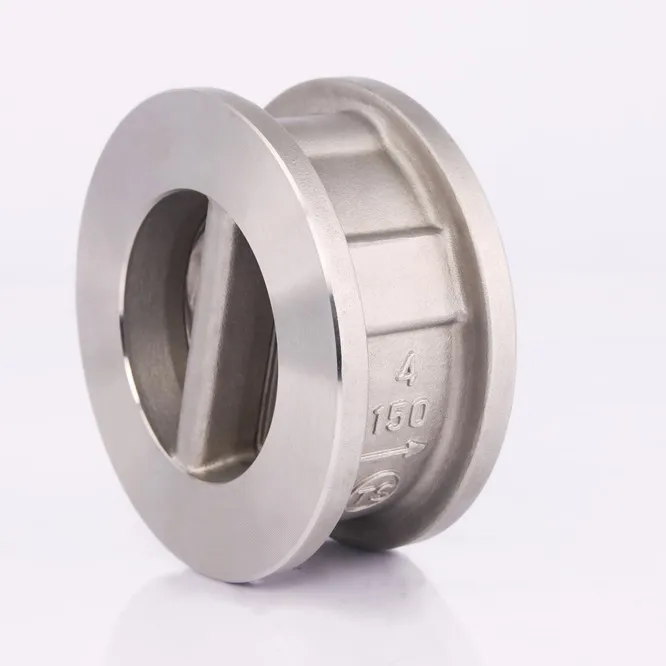
We offer a wide range of Knife Gate Valves, including 150LB Check Valve and Cast Iron F4 Resilient Seated Gate Valve. Our team of experts can help you determine the right valve for your specific application and ensure that the torque requirements are met.
Whether you're dealing with a small - scale project or a large industrial operation, we've got the knowledge and the products to support you. If you have any questions about torque requirements or need help selecting the perfect Knife Gate Valve, don't hesitate to reach out. We're here to assist you in making the best decision for your needs. Let's start a conversation about your valve requirements and see how we can help you achieve optimal performance in your system.
References
- Valve Handbook: A Guide to the Selection, Sizing, and Operation of Industrial Valves
- Fluid Mechanics and Hydraulic Machines: A Textbook for the Students of Engineering
- Industrial Valve Technology: Design, Application, and Maintenance