Hey there, folks! I'm an expert from a rising stem gate valve supplier, and today I'm gonna dive into a question that often comes up: Can a rising stem gate valve be used in a vacuum system? Let's break this down and see what's what.
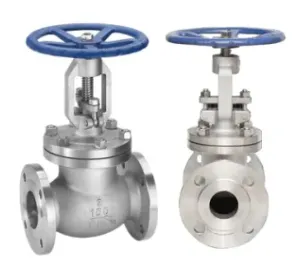
First off, let's understand what a rising stem gate valve is. A rising stem gate valve is a type of valve that uses a gate to control the flow of fluid through a pipe. The stem of the valve rises and falls as the valve is opened and closed, which gives a visual indication of the valve's position. It's a pretty common valve in many industrial applications because it provides a tight seal when closed and has low resistance to flow when open.
Now, when it comes to vacuum systems, things get a bit more complicated. A vacuum system is designed to operate at pressures below atmospheric pressure. This creates a unique set of challenges for valves, as they need to be able to maintain a seal and prevent air or other gases from leaking into the system.
So, can a rising stem gate valve handle these conditions? The short answer is yes, but there are some important factors to consider.
Sealing Performance
One of the most critical aspects of using a rising stem gate valve in a vacuum system is its sealing performance. In a vacuum environment, even a small leak can have a significant impact on the system's performance. Rising stem gate valves typically use a soft seat or a metal-to-metal seal to prevent leakage.
Soft seats, made of materials like rubber or PTFE, can provide an excellent seal in a vacuum system. They conform to the surface of the gate, filling in any small gaps and preventing air from leaking through. However, soft seats may not be suitable for all applications, especially those involving high temperatures or harsh chemicals.
Metal-to-metal seals, on the other hand, are more durable and can withstand higher temperatures and pressures. They work by creating a tight fit between the gate and the valve body, but they may not provide as good a seal as soft seats in some cases.
Valve Design
The design of the rising stem gate valve also plays a role in its suitability for a vacuum system. For example, the valve should be designed to minimize the volume of trapped air or gas when closed. This can help prevent the formation of pockets of air that could leak into the system and disrupt the vacuum.
In addition, the stem packing of the valve needs to be carefully selected to ensure a good seal. The packing should be able to withstand the vacuum pressure without leaking and should also be resistant to wear and tear.
Operating Conditions
The operating conditions of the vacuum system are another important consideration. For instance, the temperature, pressure, and flow rate of the system can all affect the performance of the rising stem gate valve.
If the system operates at high temperatures, the valve materials need to be able to withstand the heat without degrading. Similarly, if the system operates at high pressures, the valve needs to be designed to handle the stress.
Advantages of Using Rising Stem Gate Valves in Vacuum Systems
Despite the challenges, there are some advantages to using rising stem gate valves in vacuum systems.
- Visual Indication: As mentioned earlier, the rising stem of the valve provides a visual indication of its position. This can be very useful in a vacuum system, where it may be difficult to determine the status of the valve otherwise.
- Low Flow Resistance: Rising stem gate valves have low resistance to flow when open, which means they can minimize pressure drops in the system. This can be beneficial for maintaining the efficiency of the vacuum system.
- Versatility: Rising stem gate valves are available in a variety of sizes, materials, and configurations, making them suitable for a wide range of vacuum applications.
Other Valve Options for Vacuum Systems
While rising stem gate valves can be used in vacuum systems, there are also other valve options available.


- Manual Lug Type Knife Gate Valve: These valves are designed with a sharp-edged gate that can cut through thick liquids and slurries. They are often used in applications where the flow contains solids or where a tight shut-off is required.
- Steel Round Gate: Steel round gates are another option for vacuum systems. They are typically made of high-quality steel and offer a reliable seal in a variety of operating conditions.
- Knife Gate Valve: Knife gate valves are similar to manual lug type knife gate valves but may have different designs and features. They are commonly used in industries such as mining, pulp and paper, and wastewater treatment.
Making the Right Choice
When deciding whether to use a rising stem gate valve in a vacuum system, it's important to consider all the factors mentioned above. You should also consult with a valve expert or a supplier who can provide you with more detailed information and help you select the right valve for your specific application.
As a rising stem gate valve supplier, we have a wide range of valves to meet your needs. Our valves are designed and manufactured to the highest standards, ensuring reliable performance and long service life. Whether you're looking for a valve for a small laboratory vacuum system or a large industrial application, we can help you find the right solution.
If you're interested in learning more about our rising stem gate valves or other valve products, or if you have any questions about using valves in vacuum systems, don't hesitate to contact us. We're here to assist you with your valve needs and to help you make the best decision for your business.
References
- Valve Handbook: A Guide to Valve Selection, Design, and Operation.
- Vacuum Technology: Principles and Applications.