Actuators are essential components when it comes to ball valves. As a ball valve supplier, I've dealt with various types of actuators, and I'm here to share some insights with you about what types can be used for ball valves.
Manual Actuators
Let's start with the most basic type - manual actuators. These are the simplest and most common way to operate ball valves. You'll often see them in small - scale applications where automation isn't really necessary.
The handle is the most straightforward manual actuator. Picture a simple lever attached to the ball valve stem. You just turn it a quarter - turn (90 degrees) to open or close the valve. Handles are great for applications where the valve doesn't need to be adjusted frequently. Their installation is a breeze, and they're cost - effective. You simply need to grasp the handle and give it a turn. Many small residential plumbing systems use ball valves with handles, like in your kitchen sink or bathroom faucet.
Then there's the gear operator. It's a bit more complex than a handle. Gear operators are useful when you need more torque to turn the valve. They use a gear mechanism to multiply the force you apply. So, if the ball valve is large or the fluid pressure is high, a gear - operated ball valve can be your go - to. For example, in an industrial water supply system where large - diameter ball valves are used, a gear operator makes it easier to open and close the valve. You can check out our Gear Operated Fixed Ball Valve for a great option in this category.
Electric Actuators
Moving on to electric actuators. These actuators are powered by electricity, and they offer a high level of automation. They're perfect for applications where you need remote operation or precise control.
One of the main advantages of electric actuators is their accuracy. You can program them to open or close the ball valve at specific times or in response to certain conditions. For instance, in a chemical processing plant, an electric actuator can be set to open the ball valve when the temperature reaches a certain level. This helps in maintaining a safe and efficient process.
Another benefit is that they can be integrated into a larger control system. You can connect them to a central control panel, allowing you to monitor and operate multiple ball valves from one location. However, they do require a reliable power source, and in some harsh environments, they may need additional protection.
Pneumatic Actuators
Pneumatic actuators use compressed air to operate the ball valve. They're widely used in industrial applications because they're fast, reliable, and can handle high - pressure situations.
The operation of pneumatic actuators is based on the movement of a piston or a diaphragm inside a cylinder. When compressed air is introduced, it moves the piston or diaphragm, which in turn rotates the ball valve stem. This results in a quick opening or closing of the valve.
Pneumatic actuators are also very durable. They can work well in dirty or corrosive environments as long as the air supply is properly filtered and dried. In industries like oil and gas, where valves need to operate under high pressure and in harsh conditions, pneumatic actuators are often the preferred choice.
Hydraulic Actuators
Hydraulic actuators are similar to pneumatic actuators, but instead of compressed air, they use hydraulic fluid. They're capable of generating a large amount of force, making them suitable for very large - scale ball valves.
Hydraulic systems can provide precise control, similar to electric actuators. They can hold a position firmly, which is important in applications where the valve needs to remain in a specific open or closed position. In heavy - duty industries such as mining and construction, where large ball valves are used to control the flow of high - pressure fluids, hydraulic actuators are commonly used.
Comparing Different Actuator Types
Each type of actuator has its own pros and cons. Manual actuators are simple and cheap, but they're not suitable for applications that need frequent or remote operation. Electric actuators offer high precision and automation, but they rely on a stable power supply. Pneumatic actuators are fast and durable but need a compressed air source. Hydraulic actuators can generate a lot of force but require a complex hydraulic system.
When choosing an actuator for a ball valve, you need to consider factors like the size of the valve, the pressure of the fluid, the frequency of operation, and the environment where the valve will be used. If you're dealing with a small - scale residential application, a manual handle actuator might be sufficient. But for a large - scale industrial process, you might need an electric, pneumatic, or hydraulic actuator.
Our Ball Valve Offerings with Different Actuators
We offer a wide range of ball valves with different types of actuators. Our Screw Ball Valve is available with manual handles for simple installations. They're great for small plumbing systems or light - duty applications.
If you need a more heavy - duty option, our Gear Operated Fixed Ball Valve comes with a reliable gear operator that can handle higher torque requirements. These valves are commonly used in industrial pipelines where the fluid pressure is relatively high.
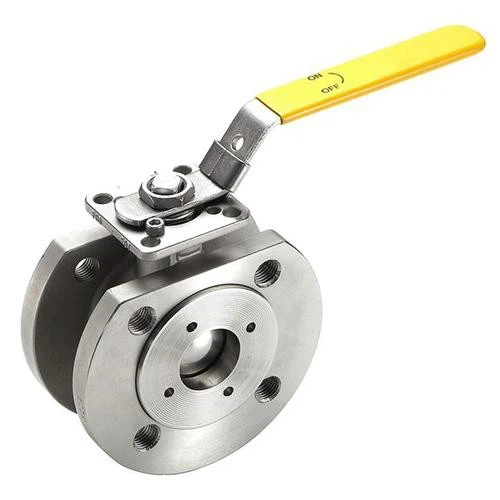
For applications where space is limited, our Ultra Thin Ball Valve is a good choice. They can be equipped with various types of actuators, depending on your specific needs.
Connect with Us for Your Ball Valve Needs
If you're in the market for ball valves with the right actuators, you've come to the right place. We have the expertise and the product range to meet your requirements. Whether you're a small business looking for a simple valve solution or a large industrial corporation in need of high - performance valves, we can help.

Don't hesitate to reach out to discuss your specific needs. We can provide detailed product information, technical support, and competitive pricing. Let's work together to find the perfect ball valve and actuator combination for your project.
References
- "Valve Handbook" by Valve Manufacturers Association
- "Industrial Valves: Selection, Specification, and Sizing" by various industry experts