A rising stem gate valve is a crucial component in many industrial piping systems, renowned for its reliability and versatility. As a leading supplier of Rising Stem Gate Valve, I often encounter inquiries regarding its application in vertical pipelines. This blog aims to comprehensively explore whether a rising stem gate valve can be effectively used in a vertical pipeline, delving into its design, functionality, advantages, limitations, and practical considerations.
Understanding the Rising Stem Gate Valve
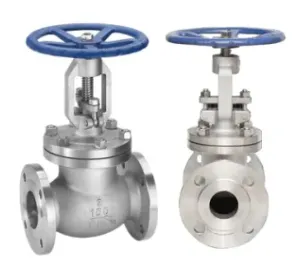
Before discussing its use in vertical pipelines, it's essential to understand the basic design and operation of a rising stem gate valve. A rising stem gate valve features a stem that moves vertically as the valve opens or closes. When the valve is opened, the stem rises out of the valve body, providing a visual indication of the valve's position. Conversely, when the valve is closed, the stem retracts into the valve body.
The gate, which is the primary closure element, moves perpendicular to the flow direction. When the valve is fully open, the gate is completely retracted into the valve body, allowing for unobstructed flow. When the valve is closed, the gate seals against the valve seats, preventing fluid flow.
Suitability for Vertical Pipelines
The short answer is yes, a rising stem gate valve can be used in a vertical pipeline. However, several factors need to be considered to ensure optimal performance and reliability.
Advantages
-
Visual Indication: One of the significant advantages of using a rising stem gate valve in a vertical pipeline is the visual indication of the valve's position. The rising stem provides a clear and immediate visual cue whether the valve is open or closed, which is particularly useful in applications where quick and accurate valve status assessment is required.
-
Full Flow Capacity: Rising stem gate valves offer full flow capacity when fully open, minimizing pressure drop across the valve. This makes them suitable for applications in vertical pipelines where maintaining a high flow rate is essential.
-
Positive Shut - Off: These valves provide a positive shut - off, effectively preventing fluid flow when closed. In vertical pipelines, this is crucial for applications where leakage cannot be tolerated, such as in high - pressure or hazardous fluid systems.
Limitations
-
Stem Lubrication and Maintenance: In a vertical pipeline, the stem of the rising stem gate valve is subject to the force of gravity. This can cause issues with stem lubrication, as the lubricant may tend to drain downwards, leading to increased friction and wear on the stem threads. Regular maintenance and proper lubrication are essential to ensure smooth operation.
-
Debris Accumulation: Vertical pipelines are more prone to debris accumulation at the bottom of the valve body. If debris collects around the gate or seats, it can prevent the valve from closing properly, leading to leakage. Periodic inspection and cleaning are necessary to address this issue.
-
Installation Space: Rising stem gate valves require additional vertical space above the valve body to accommodate the rising stem. This can be a limitation in applications where space is restricted.
Practical Considerations
Installation Orientation
When installing a rising stem gate valve in a vertical pipeline, the valve should be installed with the stem in a vertical position. This ensures that the gate moves smoothly and that the stem threads are properly lubricated. Additionally, the valve should be installed in a location where it is easily accessible for maintenance and operation.
Fluid Characteristics
The characteristics of the fluid flowing through the vertical pipeline also play a crucial role in determining the suitability of a rising stem gate valve. For example, if the fluid contains abrasive particles, it can cause accelerated wear on the valve components. In such cases, a Knife Gate Valve may be a more suitable alternative, as it is designed to handle slurries and abrasive fluids.


On the other hand, if the fluid is highly viscous, the rising stem gate valve may require more torque to operate. In such applications, a valve with a larger actuator or a different valve type, such as a F5 Gate Valve, may be considered.
Pressure and Temperature
The pressure and temperature of the fluid in the vertical pipeline must be within the rated capacity of the rising stem gate valve. High - pressure applications may require a valve with a more robust design and higher pressure - rating. Similarly, high - temperature applications may require special materials and coatings to ensure the valve's integrity and performance.
Case Studies
Let's consider a few real - world examples to illustrate the use of rising stem gate valves in vertical pipelines.
Water Treatment Plant
In a water treatment plant, rising stem gate valves are commonly used in vertical pipelines for controlling the flow of water. The visual indication of the valve's position is particularly useful for operators, as it allows them to quickly assess the status of the valve without the need for additional instrumentation. The full flow capacity of the valve ensures efficient water flow, while the positive shut - off prevents leakage, maintaining the integrity of the water treatment process.
Chemical Processing Plant
In a chemical processing plant, rising stem gate valves are used in vertical pipelines to control the flow of various chemicals. The valves are designed to withstand the corrosive nature of the chemicals and provide a reliable shut - off. However, due to the potential for debris accumulation and the need for regular maintenance, proper installation and monitoring are essential to ensure the long - term performance of the valves.
Conclusion
In conclusion, a rising stem gate valve can be effectively used in a vertical pipeline, provided that the appropriate factors are considered. Its visual indication, full flow capacity, and positive shut - off make it a suitable choice for many applications. However, challenges such as stem lubrication, debris accumulation, and installation space need to be addressed through proper design, installation, and maintenance.
As a supplier of high - quality rising stem gate valves, we have the expertise and experience to help you select the right valve for your vertical pipeline application. Whether you need a standard valve or a customized solution, we can provide you with the best products and services to meet your needs.
If you are interested in purchasing rising stem gate valves or have any questions regarding their application in vertical pipelines, please feel free to contact us. We look forward to discussing your requirements and assisting you in finding the most suitable valve solutions.
References
- Valve Handbook, Third Edition by J. Paul Tullis
- Industrial Valves: Selection and Application by John W. Hicks