Can a Knife Gate Valve be used in a textile industry?
As a seasoned supplier of Knife Gate Valves, I've often been asked whether these valves are suitable for use in the textile industry. The answer is a resounding yes, and in this blog post, I'll explain why, exploring the unique features of Knife Gate Valves and how they address the specific needs of textile manufacturing processes.
Understanding the Textile Industry's Requirements
The textile industry encompasses a wide range of processes, from fiber production and spinning to weaving, dyeing, and finishing. Each stage involves the handling of various fluids, including water, chemicals, and viscous substances like dyes and sizing agents. These fluids often contain solid particles, fibers, or other contaminants that can pose challenges for traditional valve types.
One of the primary requirements in the textile industry is the ability to handle slurries and viscous fluids without clogging. Dyes and sizing agents, for example, can be thick and sticky, and if not properly managed, they can accumulate in valves and pipes, leading to reduced flow rates, increased energy consumption, and even equipment failure. Additionally, the textile industry often requires precise control of fluid flow to ensure consistent product quality, which means valves need to be reliable and accurate.
Features of Knife Gate Valves
Knife Gate Valves are specifically designed to handle difficult media, making them an ideal choice for the textile industry. Here are some of the key features that make these valves well-suited for textile applications:
- Sharp Cutting Edge: The most distinctive feature of a Knife Gate Valve is its sharp, knife-like gate. This gate can cut through fibrous materials, solids, and viscous fluids, preventing blockages and ensuring smooth flow. When the valve is closed, the gate slices through any material in its path, sealing the valve tightly and preventing leakage.
- Low Pressure Drop: Knife Gate Valves have a straight-through design, which means there is minimal obstruction to fluid flow. This results in a low pressure drop across the valve, reducing energy consumption and improving system efficiency. In the textile industry, where large volumes of fluids need to be transported over long distances, a low pressure drop can lead to significant cost savings.
- Bi-Directional Sealing: Knife Gate Valves are capable of sealing in both directions, which is important in applications where flow direction may change. In the textile industry, for example, some processes may require fluid to flow in one direction during one stage of production and in the opposite direction during another stage. A Knife Gate Valve can handle these changes in flow direction without compromising its sealing performance.
- Easy Maintenance: Knife Gate Valves are relatively simple in design, with few moving parts. This makes them easy to maintain and repair, reducing downtime and maintenance costs. In addition, the gate and seat of a Knife Gate Valve can be easily replaced if they become worn or damaged, extending the valve's service life.
Applications of Knife Gate Valves in the Textile Industry
Knife Gate Valves can be used in a variety of applications in the textile industry, including:
- Dyeing and Printing: In the dyeing and printing processes, Knife Gate Valves are used to control the flow of dyes, chemicals, and water. The sharp cutting edge of the gate ensures that the valves can handle the viscous dyes and prevent clogging, while the bi-directional sealing feature allows for precise control of fluid flow in both directions.
- Sizing and Finishing: Sizing agents are used to improve the strength and stiffness of textiles, and Knife Gate Valves are often used to control the flow of these agents. The low pressure drop across the valve ensures that the sizing agents can be transported efficiently, while the easy maintenance features make it easy to keep the valves in good working condition.
- Wastewater Treatment: The textile industry generates a large amount of wastewater, which needs to be treated before it can be discharged. Knife Gate Valves are used in wastewater treatment plants to control the flow of wastewater, sludge, and chemicals. The ability of the valves to handle solids and viscous fluids makes them well-suited for these applications.
Comparison with Other Valve Types
While Knife Gate Valves offer many advantages for the textile industry, it's important to compare them with other valve types to determine the best choice for a specific application. Here's a brief comparison of Knife Gate Valves with some other common valve types:
- Ball Valves: Ball valves are commonly used in the textile industry for on/off control of fluids. However, they are not well-suited for handling slurries and viscous fluids, as the ball can become coated with material and lose its sealing ability. Knife Gate Valves, on the other hand, are specifically designed to handle these difficult media.
- Butterfly Valves: Butterfly valves are often used in applications where a large flow rate is required. However, they have a relatively high pressure drop and are not suitable for handling solids or viscous fluids. Knife Gate Valves offer a lower pressure drop and better performance in these applications.
- Globe Valves: Globe valves are used for precise control of fluid flow. However, they have a complex design and are prone to clogging, especially when handling slurries and viscous fluids. Knife Gate Valves are simpler in design and less likely to clog, making them a better choice for these applications.
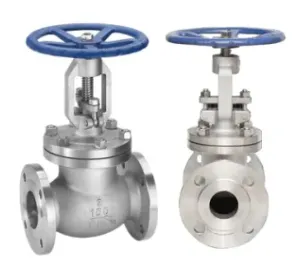
Rising Stem Flanged Gate Valve Z41H, Cast Iron F4 Resilient Seated Gate Valve, and 150LB Check Valve
In addition to Knife Gate Valves, we also offer a range of other valve products, including the Rising Stem Flanged Gate Valve Z41H, the Cast Iron F4 Resilient Seated Gate Valve, and the 150LB Check Valve. These valves are designed to meet the diverse needs of the textile industry and other industries.


The Rising Stem Flanged Gate Valve Z41H is a reliable and durable valve that is suitable for a wide range of applications. It features a rising stem design, which allows for easy visual indication of the valve's position, and a flanged connection, which provides a secure and leak-free seal.
The Cast Iron F4 Resilient Seated Gate Valve is a cost-effective valve that is ideal for applications where a resilient seat is required. It is made of cast iron, which provides excellent strength and durability, and features a resilient seat, which ensures a tight seal and reduces the risk of leakage.
The 150LB Check Valve is a simple and reliable valve that is used to prevent backflow in a pipeline. It features a swing check design, which allows for free flow in one direction and prevents flow in the opposite direction.
Conclusion
In conclusion, Knife Gate Valves are an excellent choice for the textile industry. Their unique features, such as the sharp cutting edge, low pressure drop, bi-directional sealing, and easy maintenance, make them well-suited for handling the difficult media and precise flow control requirements of textile manufacturing processes. Whether you're involved in dyeing, printing, sizing, finishing, or wastewater treatment, Knife Gate Valves can help you improve the efficiency and reliability of your operations.
If you're interested in learning more about our Knife Gate Valves or other valve products, or if you have any questions about valve selection for your textile application, please don't hesitate to contact us. We're here to help you find the best valve solution for your needs and provide you with the support and expertise you need to ensure the success of your project.
References
- Valve Handbook, by Robert K. Jensen
- Textile Manufacturing Processes, by J. E. Morton