Can I use pipe fittings for water treatment systems?
As a seasoned supplier of pipe fittings, I often get asked whether our products can be used in water treatment systems. The short answer is yes, and in this blog post, I'll explain in detail why pipe fittings are not only suitable but also essential for water treatment applications.
Understanding Water Treatment Systems
Water treatment systems are designed to remove contaminants from water, making it safe for various uses such as drinking, industrial processes, and irrigation. These systems typically involve a series of processes, including filtration, sedimentation, disinfection, and chemical treatment. Each of these processes requires a network of pipes to transport water from one stage to another, and that's where pipe fittings come in.
The Role of Pipe Fittings in Water Treatment
Pipe fittings are used to connect pipes, change the direction of flow, control the flow rate, and provide access points for maintenance and inspection. In a water treatment system, they play several crucial roles:
1. Connection and Assembly
Pipe fittings allow different sections of pipes to be joined together securely. This is essential for creating a continuous and leak - free water flow path throughout the treatment system. For example, elbows and tees are used to change the direction of pipes, while couplings and unions are used to connect straight pipe sections.
2. Flow Control
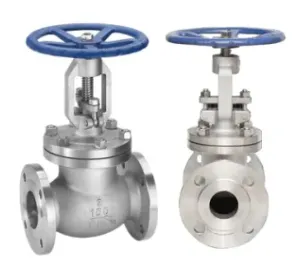
Valves, a type of pipe fitting, are used to regulate the flow of water in the system. They can be used to start, stop, or adjust the flow rate, ensuring that each treatment process receives the appropriate amount of water. Ball valves, gate valves, and globe valves are commonly used in water treatment systems for this purpose.
3. Expansion and Contraction Compensation
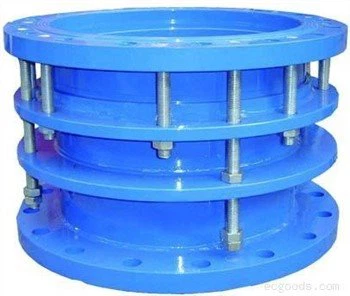
Water treatment systems may be subject to temperature changes, which can cause pipes to expand and contract. Expansion joints, such as the Flange Pipe Expansion Joint and Double Flange Expansion Joint, are designed to absorb these movements, preventing damage to the pipes and the overall system.
4. Adaptation to Different Pipe Sizes and Materials
Water treatment systems may use pipes of different sizes and materials. Pipe fittings can be used to adapt between different pipe sizes (reducers) and materials (such as connecting a plastic pipe to a metal pipe), ensuring compatibility and a smooth flow of water.
Types of Pipe Fittings for Water Treatment Systems
There are several types of pipe fittings that are commonly used in water treatment systems:
1. Elbows
Elbows are used to change the direction of the pipe. They are available in different angles, such as 45° and 90°. In water treatment systems, elbows are used to navigate around obstacles and to direct water flow in the desired direction.
2. Tees
Tees are used to split the flow of water into two directions or to combine two flows into one. They are commonly used at junctions where water needs to be diverted to different treatment processes or where multiple water sources need to be combined.
3. Couplings and Unions
Couplings are used to connect two straight pipe sections together, while unions provide a detachable connection, making it easier to disassemble the pipes for maintenance or replacement.
4. Valves
As mentioned earlier, valves are used to control the flow of water. Ball valves are known for their quick - opening and closing action, while gate valves are often used for on - off control. Globe valves are suitable for regulating the flow rate.
5. Flanges
Flanges are used to connect pipes to equipment such as pumps, filters, and tanks. They provide a strong and leak - proof connection and are easy to install and remove.
Material Considerations for Pipe Fittings in Water Treatment
The choice of material for pipe fittings in water treatment systems is crucial, as it needs to be compatible with the water quality and the chemicals used in the treatment process. Here are some common materials:
1. Stainless Steel
Stainless steel is a popular choice for pipe fittings in water treatment systems due to its corrosion resistance, strength, and durability. It can withstand a wide range of water conditions and chemicals, making it suitable for both potable water and industrial water treatment.


2. PVC (Polyvinyl Chloride)
PVC is a cost - effective and lightweight material that is commonly used in small - scale water treatment systems, especially for low - pressure applications. It is resistant to many chemicals and is easy to install.
3. Ductile Iron
Ductile iron is known for its high strength and toughness. It is often used in large - scale water treatment systems and underground piping due to its ability to withstand high pressure and external loads.
Quality and Standards
When using pipe fittings in water treatment systems, it is essential to ensure that they meet the relevant quality and safety standards. For example, pipe fittings for potable water systems should comply with standards such as NSF/ANSI 61, which ensures that the fittings do not leach harmful substances into the water.
As a pipe fitting supplier, we are committed to providing high - quality products that meet or exceed industry standards. Our products are rigorously tested to ensure their performance and reliability in water treatment applications.
Conclusion
In conclusion, pipe fittings are an integral part of water treatment systems. They provide the necessary connections, flow control, and adaptation capabilities to ensure the efficient and reliable operation of the system. Whether you are building a small - scale residential water treatment system or a large - scale industrial plant, our wide range of pipe fittings can meet your needs.
If you are in the process of designing or upgrading a water treatment system and are looking for high - quality pipe fittings, we would love to hear from you. Our team of experts can provide you with professional advice and help you select the right products for your specific application. Contact us today to start a discussion about your pipe fitting requirements for your water treatment project.
References
- Water Treatment Handbook, various editions
- Industry standards for pipe fittings such as ASTM, NSF/ANSI