In the complex and demanding environment of wastewater treatment plants, the selection of appropriate valves is crucial for ensuring efficient and reliable operation. As a leading supplier of Rising Stem Gate Valves, I often encounter questions regarding the suitability of these valves in wastewater treatment applications. In this blog post, I will delve into the characteristics of Rising Stem Gate Valves and explore whether they can indeed be used in wastewater treatment plants.
Understanding Rising Stem Gate Valves
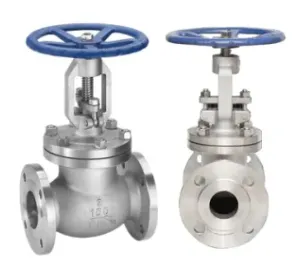
Rising Stem Gate Valves are a type of linear motion valve that uses a gate to control the flow of fluid. The stem of the valve rises and falls as the valve is opened or closed, providing a visual indication of the valve's position. This design feature makes it easy to determine whether the valve is open or closed at a glance, which is particularly useful in large industrial facilities such as wastewater treatment plants.
The gate in a Rising Stem Gate Valve is typically a flat or wedge-shaped disc that moves perpendicular to the flow of fluid. When the valve is open, the gate is fully retracted into the valve bonnet, allowing for unobstructed flow. When the valve is closed, the gate seals against the valve seats, preventing the flow of fluid. This simple yet effective design makes Rising Stem Gate Valves suitable for a wide range of applications, including those in wastewater treatment plants.
Advantages of Using Rising Stem Gate Valves in Wastewater Treatment Plants
There are several advantages to using Rising Stem Gate Valves in wastewater treatment plants. Firstly, their full-bore design provides minimal flow restriction, which is essential for maintaining efficient flow rates in wastewater systems. This can help to reduce energy consumption and improve the overall performance of the treatment process.
Secondly, Rising Stem Gate Valves offer excellent sealing performance, which is crucial for preventing leaks and ensuring the integrity of the wastewater treatment system. The tight seal provided by the gate against the valve seats helps to prevent the escape of wastewater, which can have serious environmental and health implications.


Thirdly, the visual indication of the valve's position provided by the rising stem is a significant advantage in wastewater treatment plants. Operators can easily determine whether the valve is open or closed, which helps to prevent accidental overflows or blockages. This can improve the safety and reliability of the treatment process.
Finally, Rising Stem Gate Valves are relatively easy to maintain and repair. The simple design of the valve makes it easy to access the internal components, which can be inspected and replaced as needed. This can help to reduce downtime and maintenance costs in the long run.
Considerations for Using Rising Stem Gate Valves in Wastewater Treatment Plants
While Rising Stem Gate Valves offer many advantages in wastewater treatment plants, there are also some considerations that need to be taken into account. Firstly, the abrasive nature of wastewater can cause wear and tear on the valve components, particularly the gate and seats. This can lead to reduced sealing performance and increased maintenance requirements. To mitigate this issue, it is important to select valves that are made from materials that are resistant to abrasion, such as stainless steel or cast iron.
Secondly, the presence of solids and debris in wastewater can cause blockages in the valve, which can affect its performance. To prevent this, it is important to install strainers or filters upstream of the valve to remove any large particles before they enter the valve. Additionally, regular maintenance and cleaning of the valve can help to prevent the buildup of solids and debris.
Thirdly, the corrosive nature of wastewater can also cause damage to the valve components. To protect against corrosion, it is important to select valves that are coated or lined with materials that are resistant to corrosion, such as epoxy or rubber.
Finally, the operating conditions in wastewater treatment plants can be harsh, with high temperatures, pressures, and flow rates. It is important to select valves that are designed to withstand these conditions and are rated for the specific application.
Other Valve Options for Wastewater Treatment Plants
In addition to Rising Stem Gate Valves, there are other valve options available for wastewater treatment plants. For example, Bellows Gate Valve are designed to provide a hermetic seal, which is particularly useful in applications where leakage is not acceptable. These valves are often used in high-pressure and high-temperature applications, as well as in applications where the fluid being handled is toxic or hazardous.
Another option is the Manual Lug Type Knife Gate Valve, which is designed to cut through solids and debris in wastewater. These valves are often used in applications where the fluid being handled contains a high concentration of solids, such as sludge or slurry.
Finally, the F4 Gate Valve F4 is a type of gate valve that is made from a special material called F4, which is resistant to corrosion and abrasion. These valves are often used in applications where the fluid being handled is highly corrosive or abrasive, such as in chemical processing plants or wastewater treatment plants.
Conclusion
In conclusion, Rising Stem Gate Valves can be a suitable choice for use in wastewater treatment plants, provided that the appropriate considerations are taken into account. Their full-bore design, excellent sealing performance, visual indication of position, and ease of maintenance make them a popular choice for many applications. However, it is important to select valves that are made from materials that are resistant to abrasion and corrosion, and to install strainers or filters upstream of the valve to prevent blockages.
If you are considering using Rising Stem Gate Valves in your wastewater treatment plant, or if you have any questions about our products, please do not hesitate to contact us. Our team of experts is available to provide you with the information and support you need to make the right decision for your application. We look forward to working with you to ensure the efficient and reliable operation of your wastewater treatment system.
References
- American Water Works Association. (2016). Manual of Water Supply Practices: M22 - Valves.
- Water Environment Federation. (2017). Wastewater Treatment Plant Design.
- Valve Manufacturers Association of America. (2018). Valve Selection and Application Handbook.