Water hammer is a common and potentially damaging phenomenon in fluid systems, and its impact on parallel gate valves is a crucial consideration for both system designers and valve suppliers. As a provider of high - quality parallel gate valves, understanding this impact is essential for offering reliable solutions to our customers.
Understanding Water Hammer
Water hammer, also known as hydraulic shock, occurs when there is a sudden change in the flow velocity of a fluid in a pipeline. This can be caused by events such as the rapid closing or opening of a valve, the start - up or shut - down of a pump, or a sudden blockage in the pipeline. When the flow is suddenly interrupted, the kinetic energy of the moving fluid is converted into pressure energy, resulting in a pressure surge. These pressure surges can travel through the pipeline at high speeds, creating shockwaves that can cause significant damage to the pipeline and its components.
The magnitude of the pressure surge during water hammer depends on several factors, including the fluid velocity, the density of the fluid, the length of the pipeline, and the speed at which the flow is interrupted. In extreme cases, the pressure surge can be several times higher than the normal operating pressure of the system, posing a serious threat to the integrity of the pipeline and the equipment connected to it.
Impact on Parallel Gate Valves
Structural Damage
One of the most significant impacts of water hammer on parallel gate valves is structural damage. The sudden pressure surges can subject the valve body, bonnet, and other components to extreme forces. The valve body, which is designed to withstand normal operating pressures, may experience stress concentrations during water hammer events. These stress concentrations can lead to cracks or fractures in the valve body, especially in areas where there are pre - existing flaws or weaknesses.
The gate of the parallel gate valve is also vulnerable to damage. The high - pressure shockwaves can cause the gate to vibrate violently, leading to wear and tear on the gate sealing surfaces. Over time, this can result in leakage through the valve, reducing its effectiveness and potentially causing safety hazards. In severe cases, the gate may even become deformed or break, rendering the valve inoperable.
Seal Integrity
The sealing performance of a parallel gate valve is crucial for its proper functioning. Water hammer can have a detrimental effect on the valve's seals. The sudden pressure changes can cause the sealing surfaces to separate momentarily, allowing fluid to leak past the valve. Even if the seals return to their normal position after the pressure surge, the repeated cycling of high - pressure events can cause the seals to degrade over time.
The seat seals of a parallel gate valve are typically made of elastomeric materials, which are sensitive to pressure and temperature variations. The high - pressure surges during water hammer can cause the elastomeric seals to extrude or deform, reducing their ability to provide a tight seal. This can lead to both internal and external leakage, which not only wastes energy but also poses environmental and safety risks.
Operational Issues
Water hammer can also cause operational issues for parallel gate valves. The violent vibrations generated by the pressure surges can make it difficult to operate the valve manually or with an actuator. In some cases, the vibrations can cause the valve stem to bind or jam, preventing the valve from opening or closing properly.
Moreover, the repeated exposure to water hammer can affect the long - term reliability of the valve's operating mechanism. The gears, bearings, and other moving parts in the valve actuator may experience increased wear and tear due to the vibrations, leading to premature failure. This can result in costly maintenance and downtime for the system.
Mitigation Strategies
Valve Design
As a parallel gate valve supplier, we focus on designing valves that can withstand the effects of water hammer. Our valves are constructed using high - strength materials that can resist the high pressures and forces associated with water hammer. For example, we use [Material Name] for the valve body, which has excellent mechanical properties and can withstand high - stress applications.
In addition, our valve designs incorporate features that help to reduce the impact of water hammer. For instance, we use flexible gate designs that can absorb some of the shockwaves generated during water hammer events. These flexible gates can deform slightly under the high - pressure surges, reducing the stress on the valve body and other components.


Installation and Operation
Proper installation and operation of parallel gate valves are also essential for mitigating the effects of water hammer. During installation, it is important to ensure that the valve is correctly aligned and supported to prevent excessive vibrations. The pipeline should also be properly anchored to reduce the movement of the valve during water hammer events.
When operating the valve, it is recommended to open and close it slowly to avoid sudden changes in flow velocity. This can significantly reduce the likelihood and magnitude of water hammer. In some cases, it may be necessary to install additional devices such as surge suppressors or accumulators in the pipeline to absorb the pressure surges caused by water hammer.
Our Product Range
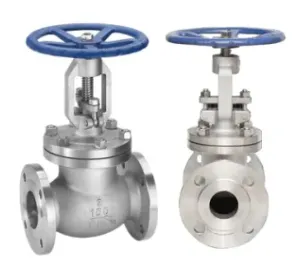
As a leading parallel gate valve supplier, we offer a wide range of high - quality valves to meet the diverse needs of our customers. Our product portfolio includes Manufacturers Ductile Iron Resilient Flanged Gate Valve, which are known for their excellent sealing performance and durability. These valves are made of ductile iron, which provides high strength and corrosion resistance.
We also provide Manual Rising Stem Knife Gate Valves, which are suitable for applications where a tight shut - off is required. These valves feature a rising stem design that allows for easy visual indication of the valve position.
In addition, our ANSI Gate Valve ANSI are designed to meet the strict standards of the American National Standards Institute (ANSI). These valves are widely used in various industries, including oil and gas, water treatment, and power generation.
Conclusion
Water hammer can have a significant impact on parallel gate valves, causing structural damage, seal integrity issues, and operational problems. As a parallel gate valve supplier, we understand the importance of providing valves that can withstand the effects of water hammer. Our high - quality valve designs, combined with proper installation and operation, can help our customers to minimize the risks associated with water hammer and ensure the reliable operation of their fluid systems.
If you are in need of parallel gate valves or have any questions about water hammer and its impact on valves, please feel free to contact us for procurement and further discussions. We are committed to providing you with the best solutions for your specific needs.
References
- "Fluid Mechanics and Hydraulic Machines" by R. K. Bansal
- "Valve Handbook" by E. E. Ludwig
- "Pipeline Engineering and Construction: A Practical Approach" by John S. Kiefner and Robert A. Maxey