Hey there! As a supplier of Rising Stem Gate Valves, I often get asked if these valves can be used in oil and gas pipelines. Well, let's dive right into it and find out.
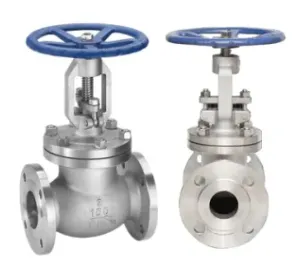
First off, let's understand what a Rising Stem Gate Valve is. It's a type of valve where the stem rises up out of the valve body as the valve is opened. This gives a visual indication of whether the valve is open or closed. It's like having a little flag that tells you the valve's status at a glance.
Now, when it comes to oil and gas pipelines, there are some pretty strict requirements. These pipelines carry some of the most valuable and potentially dangerous substances on the planet. So, the valves used in them need to be tough, reliable, and able to handle high pressures and temperatures.
One of the key advantages of Rising Stem Gate Valves in oil and gas pipelines is their ability to provide a full-bore flow. When the valve is fully open, there's a straight-through path for the oil or gas to flow. This means there's minimal resistance to the flow, which is great for efficiency. It's like having a wide-open highway for your oil or gas to zoom through.
Another plus is the tight shut-off. Rising Stem Gate Valves are designed to close tightly, preventing any leakage. In an oil and gas pipeline, even a tiny leak can be a big problem. It can lead to loss of product, environmental damage, and safety hazards. So, a valve that can shut off completely is a must.
But it's not all sunshine and rainbows. There are also some challenges when using Rising Stem Gate Valves in oil and gas pipelines. One of the main issues is the potential for corrosion. Oil and gas often contain corrosive substances like sulfur compounds. Over time, these can eat away at the valve components, reducing their lifespan and performance. That's why it's important to choose valves made from materials that are resistant to corrosion, like stainless steel or special alloys.
Another challenge is the high-pressure environment. Oil and gas pipelines can operate at extremely high pressures. Rising Stem Gate Valves need to be able to withstand these pressures without failing. This means they need to be well-designed and properly manufactured. At our company, we use advanced engineering techniques and high-quality materials to ensure our valves can handle the toughest conditions.
Now, let's talk about some of the specific types of Rising Stem Gate Valves that are suitable for oil and gas pipelines. One option is the F4 Gate Valve F4. This valve is known for its durability and reliability. It's designed to handle high pressures and temperatures, making it a great choice for oil and gas applications.
Another option is the Manual Rising Stem Knife Gate Valves. These valves are ideal for applications where a tight shut-off is required. They have a sharp-edged gate that can cut through thick or viscous fluids, which is often the case in oil and gas pipelines.
And if you're looking for a valve for fire-fighting applications in oil and gas facilities, the Ductile Cast Iron DN50-200 Groove Type Rising Stem Wedge Gate Valve For Fire Fighting is a great option. It's made from ductile cast iron, which is strong and resistant to corrosion. It also has a groove type design, which makes it easy to install and maintain.
So, can a Rising Stem Gate Valve be used in an oil and gas pipeline? The answer is yes, but with some considerations. You need to choose the right valve for the specific application, taking into account factors like pressure, temperature, and the type of fluid being transported. You also need to ensure proper installation and maintenance to keep the valve working properly.


If you're in the market for Rising Stem Gate Valves for your oil and gas pipeline, we'd love to hear from you. We have a wide range of valves to choose from, and our team of experts can help you find the perfect solution for your needs. Just reach out to us, and let's start a conversation about how we can help you with your valve requirements.
References:
- Valve Handbook, 4th Edition by Robert W. Daugherty
- Oil and Gas Pipeline Engineering Handbook by John Carr