Hey there! As a supplier of Y strainers, I've seen firsthand how a bunch of different factors can affect the price of these handy devices. In this blog post, I'm gonna break down the key elements that play into the cost of a Y strainer, so you can have a better understanding when you're in the market for one.
Material Quality
One of the most significant factors influencing the price of a Y strainer is the material it's made from. Y strainers can be crafted from various materials, each with its own set of properties, advantages, and price points.
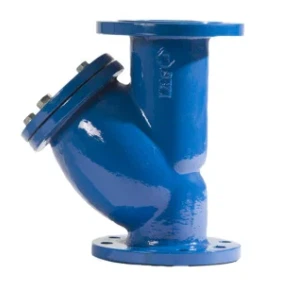
- Cast Iron: Cast iron is a popular choice for Y strainers due to its affordability and durability. Cast Iron Y Strainer are commonly used in less demanding applications where the fluid being filtered isn't highly corrosive. Cast iron is relatively inexpensive to produce, which makes these strainers a budget - friendly option. However, it may not be suitable for environments with high levels of moisture or corrosive substances, as it can rust over time.
- Ductile Iron: Ductile iron offers better mechanical properties than cast iron, including higher tensile strength and ductility. Ductile Iron Y Type Strainer Double Flange Water DIN/JIS/ASME/ASTM/GB are more resistant to cracking and can handle higher pressures. The manufacturing process for ductile iron is more complex and costly than that of cast iron, which is reflected in the price. These strainers are a great choice for applications where reliability and performance are crucial.
- Ductile Cast Iron: Ductile Cast Iron Flanged Y Strainer combines the benefits of ductile iron with the ease of installation provided by flanged connections. The flanges add to the cost of production, as they require precise machining and additional materials. Ductile cast iron strainers are often used in industrial settings where a secure and leak - free connection is essential.
Size and Dimensions
The size of a Y strainer also has a major impact on its price. Larger strainers generally cost more than smaller ones for several reasons.
First, larger strainers require more raw materials to manufacture. Whether it's the body of the strainer or the screen inside, more material means higher production costs. Second, the manufacturing process for larger strainers can be more complex. They may need specialized equipment and more labor - intensive operations to ensure proper quality control.
For example, a small - sized Y strainer with a 1 - inch inlet and outlet may be relatively inexpensive, while a large - scale strainer with a 12 - inch or larger diameter can be significantly more costly. The size you choose depends on the flow rate and the volume of fluid that needs to be filtered in your application.
Mesh Size and Filtration Rating
The mesh size of the strainer screen and its filtration rating are critical factors in determining the price. A finer mesh size means smaller particles can be filtered out, but it also comes with a higher cost.
Manufacturing a screen with a very fine mesh requires more precise manufacturing techniques and higher - quality materials. The production process is more time - consuming, which drives up the price. For applications where you need to filter out extremely small particles, such as in pharmaceutical or food and beverage industries, you'll likely need a Y strainer with a high - end, fine - mesh screen, and you can expect to pay more for it.
On the other hand, if your application only requires the removal of larger debris, a strainer with a coarser mesh will be more affordable. You need to balance the level of filtration you need with your budget when making a decision.
Pressure Rating
The pressure rating of a Y strainer indicates the maximum pressure it can withstand without failing. Strainers with higher pressure ratings are more expensive because they need to be built to handle the increased stress.
To achieve a high - pressure rating, manufacturers may use thicker walls for the strainer body and stronger materials for the internal components. The design and testing processes for high - pressure strainers are also more rigorous to ensure safety and reliability. If your application involves high - pressure fluids, such as in oil and gas pipelines or high - pressure water systems, you'll need a Y strainer with an appropriate high - pressure rating, and this will come at a premium.
Brand and Reputation
The brand of the Y strainer can also affect its price. Well - known and established brands often charge more for their products. This is because they have invested in research and development, quality control, and customer service over the years.
A reputable brand is more likely to offer a reliable product with a lower risk of failure. They also usually provide better after - sales support, such as technical assistance and warranty services. However, that doesn't mean you can't find a good - quality, affordable Y strainer from a lesser - known brand. You just need to do your research and read reviews to make sure you're getting a product that meets your requirements.
Market Conditions
Market conditions, such as supply and demand, can cause fluctuations in the price of Y strainers. If there's a high demand for Y strainers and a limited supply, the prices are likely to go up. This could be due to factors like an increase in construction projects or new regulations that require the use of strainers in certain industries.

On the other hand, if there's an oversupply of Y strainers in the market, prices may drop as manufacturers compete for customers. Economic factors, such as changes in raw material prices and currency exchange rates, can also impact the cost of production and, ultimately, the price of the strainers.
Additional Features
Some Y strainers come with additional features that can increase their price. For example, a strainer with a blow - off valve allows for easy cleaning without having to disassemble the entire unit. This feature is convenient but adds to the manufacturing cost.
Strainers with a differential pressure gauge can provide real - time information about the pressure drop across the strainer, which helps in determining when the screen needs to be cleaned. These advanced features are useful in industrial applications where continuous operation and efficient maintenance are important, but they do come at an extra cost.
In conclusion, there are many factors that affect the price of a Y strainer. When you're looking to purchase one, it's important to consider your specific needs, budget, and the long - term performance of the product. If you have any questions or need help choosing the right Y strainer for your application, don't hesitate to reach out. We're here to assist you in making the best decision and getting the most value for your money.
References
- "Industrial Valves Handbook", Various industry experts, published by a leading engineering publishing house.
- "Filtration Technology in Fluid Systems", Academic research on filtration, available in engineering libraries.