As a supplier of steel round gates, I often encounter various inquiries from customers, one of the most common being whether a steel round gate can be installed on a slope. This question is not only practical but also crucial for those looking to optimize their security and access control in non - flat terrains. In this blog, I'll delve into the technical aspects, challenges, and solutions related to installing a steel round gate on a slope.
Technical Feasibility
From a technical perspective, installing a steel round gate on a slope is indeed feasible. However, it requires careful planning and engineering. Steel is a highly versatile and strong material, which provides the necessary structural integrity for the gate to function properly even on an incline.
The first consideration is the weight distribution of the gate. On a slope, the gravitational force acts at an angle, which can cause uneven stress on the gate's components. To counter this, we need to design the gate with a balanced weight distribution. This might involve using a thicker frame on the lower side of the slope to prevent the gate from sagging or tilting.
Another important factor is the hinge mechanism. Hinges play a vital role in allowing the gate to open and close smoothly. When installing on a slope, we need to choose hinges that can accommodate the angle of the incline. Specialized heavy - duty hinges are often required to handle the additional stress and ensure long - term durability. For example, some hinges are designed with adjustable features, which can be fine - tuned during the installation process to match the slope's angle.
Challenges and Solutions
Alignment and Leveling
One of the biggest challenges when installing a steel round gate on a slope is achieving proper alignment and leveling. If the gate is not aligned correctly, it may not open or close properly, and it can also put excessive stress on the hinges and locking mechanisms.
To solve this problem, we need to conduct a detailed site survey before installation. This survey will help us determine the exact angle and elevation of the slope. Based on the survey results, we can use shims and adjustable mounting brackets to level the gate during installation. Additionally, we can install guide rails on the ground to ensure that the gate moves in a straight line, even on an incline.

Weather and Corrosion
Sloped areas are often more exposed to rain, snow, and other weather elements. Water can accumulate at the bottom of the slope, increasing the risk of corrosion for the steel gate. To protect the gate from corrosion, we use high - quality galvanized or powder - coated steel. Galvanization provides a protective zinc layer that prevents rust from forming, while powder coating adds an extra layer of protection and can also enhance the gate's aesthetic appeal.
We also design the gate with proper drainage channels to prevent water from pooling on the surface. These channels allow water to flow off the gate quickly, reducing the chances of long - term water damage.
Operation and Safety
Operating a steel round gate on a slope can be more challenging than on a flat surface. The gate may require more force to open and close, especially if the slope is steep. To address this issue, we can install an automated gate opener with a higher torque capacity. These openers are designed to handle the additional load and can be programmed to open and close the gate smoothly.
In terms of safety, we need to ensure that the gate has proper locking mechanisms. On a slope, the gate may be more likely to swing open unexpectedly due to the gravitational force. We recommend using heavy - duty locks that can withstand the additional stress and prevent unauthorized access.
Types of Steel Round Gates Suitable for Slopes
There are several types of steel round gates that are well - suited for installation on slopes.
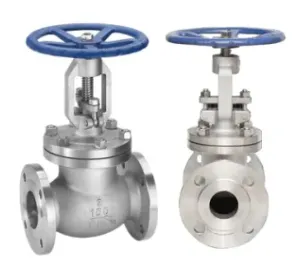
The Resilient Seated Gate Valve is a great option. Its design allows for a tight seal, which is important for security and preventing debris from entering. The resilient seat helps to compensate for any minor misalignments that may occur due to the slope.
The Parallel Gate Valve is another suitable choice. It has a simple and robust design, making it easy to install and maintain on a slope. The parallel gate mechanism ensures smooth operation, even when the gate is subjected to uneven forces.
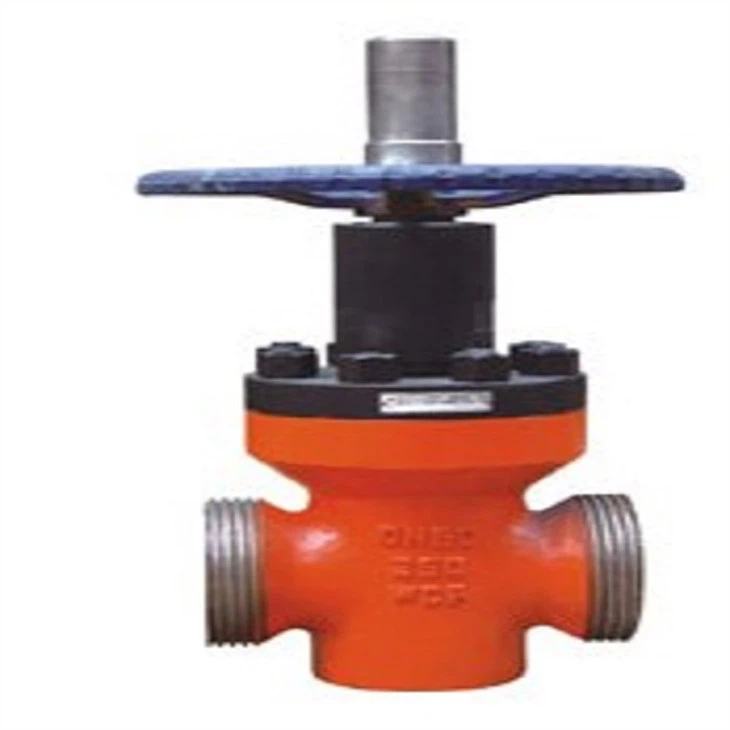
The Rubber Seat Gate Valve is also a popular option. The rubber seat provides a flexible and watertight seal, which is beneficial in areas where water runoff is a concern. It can also absorb some of the shock and vibration caused by the gate's movement on the slope.
Installation Process
The installation process of a steel round gate on a slope is more complex than on a flat surface. Here are the general steps:
- Site Preparation: Clear the area of any debris and ensure that the ground is stable. Mark the installation points based on the site survey results.
- Frame Installation: Install the gate frame using the adjustable mounting brackets. Use a level and plumb bob to ensure that the frame is properly aligned and leveled.
- Hinge Installation: Attach the hinges to the frame and the gate. Make sure that the hinges are properly aligned and tightened.
- Gate Installation: Lift the gate into place and attach it to the hinges. Check the alignment and make any necessary adjustments.
- Lock and Opener Installation: Install the locking mechanism and the gate opener. Test the gate to ensure that it opens and closes smoothly.
- Final Checks: Conduct a final inspection of the gate to ensure that all components are properly installed and functioning correctly.
Contact for Purchase and Consultation
If you are considering installing a steel round gate on a slope, I encourage you to reach out to us. Our team of experts has extensive experience in designing and installing gates on various terrains, including slopes. We can provide you with a customized solution that meets your specific needs and budget. Whether you have questions about the installation process, the types of gates available, or the maintenance requirements, we are here to help. Contact us today to start the conversation about your steel round gate project.
References
- "Steel Gate Installation Guide", American Fence Association
- "Corrosion Protection for Steel Structures", National Association of Corrosion Engineers
- "Automated Gate Systems: Design and Operation", International Door Association